
Choosing the right running economy sensor can make training feel more precise, especially if you want better pacing, steadier effort, and cleaner workout data.
Below, we’ve focused on practical options that help runners track performance more accurately indoors, outdoors, and across different training styles.
Best 10 Running Economy Sensor Picks for 2026
Best for COROS Watch Users

- Improves pace responsiveness beyond wrist GPS
- Accurate indoor and treadmill distance tracking
- Helps correct GPS disruption in cities and hills
Best For: COROS runners who want better pace and distance data on indoor, hilly, or GPS-tricky routes.
Best for Reliable Heart-Rate Tracking

- ±1 BPM optical heart-rate accuracy
- Bluetooth 5.0 and ANT+ dual connectivity
- 110-hour battery life with fast charging
Best For: Runners and cross-training athletes who want a comfortable armband with long battery life and dual-device compatibility.
Best for Nike+ Compatibility

- Tracks pace, distance, time, and calories burned.
- Compatible with select older Nike+ devices and computers.
- Simple option for legacy Nike+ runners.
Best For: Runners using older Nike+ compatible devices who need basic run tracking.
Best for Race Pace Planning
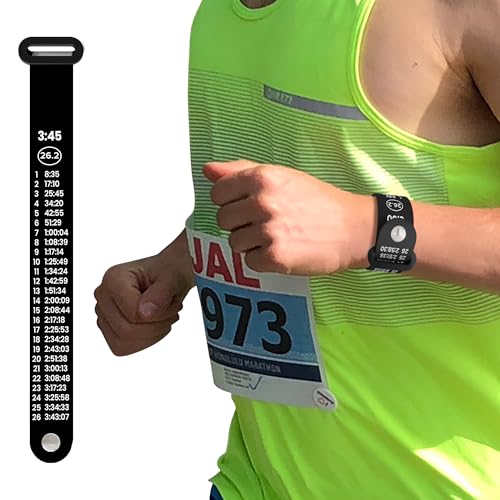
- Lightweight silicone pace band for marathon and half-marathon use.
- Waterproof, sweat-resistant build for training and race day.
- Soft, hypoallergenic feel suited to sensitive skin.
Best For: Runners who want a comfortable, waterproof pacing aid for races and long training runs.
Best Arm Band
COROS Heart Rate Monitor Armband

- Comfortable arm-worn design for run training
- Auto-wear detection with precise workout data
- Bluetooth pairing with up to 3 devices
Best For: Runners and multisport athletes who want a comfortable, easy-to-use heart-rate monitor for training.
Best Multisport Chest Strap
iGPSPORT HR50 Chest Strap Sensor

- Bluetooth and ANT+ compatibility
- Up to 1200 hours of battery life
- IPX7 waterproof and adjustable fit
Best For: Runners and cross-training athletes who want a simple chest strap for heart-rate tracking.
Best for Dual-Device Tracking
EZON C022Pro Heart Rate Armband

- LED zone indicator supports pace-by-effort training
- ANT+ and Bluetooth for wide device compatibility
- Lightweight washable strap with 30m water resistance
Best For: Runners and cross-training athletes who want an arm-worn heart rate monitor with broad app and device support.
Best Chest-Strap Accuracy
Polar H10 Heart Rate Monitor Strap
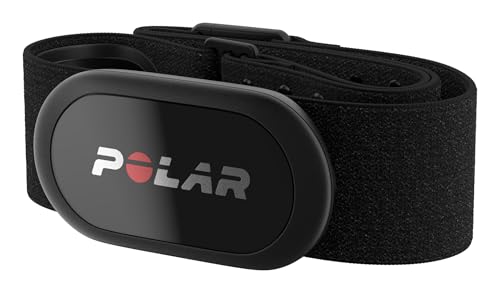
- Highly accurate heart-rate readings
- ANT+ and Bluetooth compatibility
- Waterproof for intense training
Best For: Runners who want dependable heart-rate data for pacing and efficiency-focused training.
Best for Reliable Heart Rate Tracking
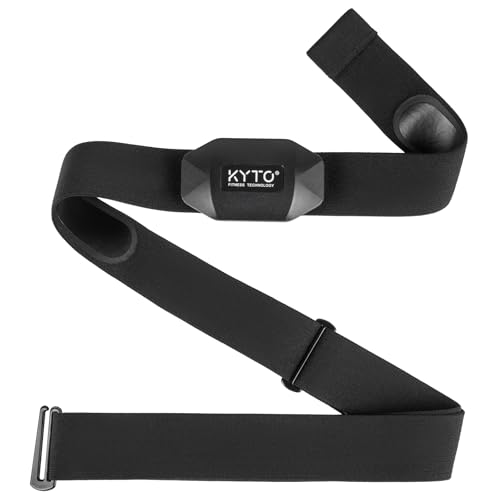
- More precise chest-strap HR tracking than wrist monitors
- Bluetooth 4.0 and ANT+ for broad app/device compatibility
- IP67 water resistance and 200-hour battery life
Best For: Runners and cyclists who need accurate heart-rate data for structured training.
Best Simple Pick
GEOID HS500 Heart Rate Monitor

- ANT+ and Bluetooth compatibility
- 800-hour battery life
- IP67 sweat and splash resistance
Best For: Runners and cyclists who want accurate chest-strap heart-rate tracking with broad device support.
Best for COROS Watch Users – COROS POD 2 Running Sensor
If you run with a COROS watch and want more responsive pace and distance data, the COROS POD 2 is a practical running economy sensor-style accessory for indoor training, treadmill sessions, and GPS-challenged routes. It uses foot or body movement data to improve real-time pace feedback and help your watch stay more consistent when GPS alone struggles.
Best For: COROS runners who want faster pace updates, better treadmill distance accuracy, and cleaner data in tunnels, cities, or on hilly routes.
Pros:
- More responsive instant pace than wrist-based GPS alone
- Accurate treadmill and indoor distance measurement
- Helps smooth out GPS drops, spikes, and track errors
- Can be clipped to shoes or a waistband for flexible wear
Cons:
- Only works with COROS watches, with limited compatibility overall
- Not useful if you already get reliable pace data outdoors
- Requires wearing an extra accessory during runs
As a running economy sensor, the COROS POD 2 is less about general smartwatch features and more about tightening the quality of the data you train with. If your runs include treadmills, indoor tracks, hills, or urban GPS interference, it can make pacing feel noticeably more controlled and actionable.
Best for Reliable Heart-Rate Tracking – Heart Rate Monitor Armband
If you want a practical running economy sensor for everyday training, this heart rate monitor armband focuses on accurate wrist-free tracking, long battery life, and easy-to-read zone feedback. It’s a solid pick for runners, cyclists, and gym users who want dependable heart-rate data without a chest strap.
Best For: Runners and cross-training athletes who want a comfortable armband with long battery life and dual-device compatibility.
Pros:
- ±1 BPM optical sensing for precise real-time heart-rate tracking
- Bluetooth 5.0 and ANT+ support for broad device compatibility
- 110-hour battery life with quick 30-minute charging
- LED zone indicators make intensity monitoring easy at a glance
Cons:
- Not suitable for swimming
- Forearm/bicep fit may take a little adjustment for some users
Overall, this is a useful running economy sensor alternative if your priority is consistent heart-rate capture during steady runs, intervals, and mixed workouts. It won’t replace advanced performance analytics, but it does deliver the key data most athletes need in a lightweight, low-fuss form.
Best for Nike+ Compatibility – Nike+ Stand Alone Sensor Kit
If you want a basic running economy sensor for tracking workout data inside the Nike+ ecosystem, the Nike+ Stand Alone Sensor Kit keeps the setup straightforward. It measures pace, distance, time elapsed, and calories burned, making it a practical option for runners who already use supported Nike+ devices and software.
Best For: Runners who still use older Nike+ compatible iPhone, iPod touch, or computer setups and want simple motion-based tracking.
Pros:
- Tracks pace, distance, time, and calories burned.
- Works with select Mac and Windows systems as well as older Nike+ mobile devices.
- Easy to activate once paired with a compatible Nike+ device.
Cons:
- Not compatible with iPhone 6, 6 Plus, or iOS 9 and newer.
- Requires older Nike+ hardware/software, limiting flexibility.
As a running economy sensor, this kit is mainly useful if you already live in the legacy Nike+ world and want a simple, no-frills way to log run metrics. It is not the most future-proof choice, but for compatible setups it does the core job without adding complexity.
Best for Race Pace Planning – BibBoards Marathon Pace Band
If you want a simple, low-tech way to stay on pace, this BibBoards Marathon Pace Band can complement a running economy sensor by keeping your target splits visible at a glance. It is designed for marathon and half-marathon training, with a lightweight silicone build that feels comfortable for long efforts.
Best For: Runners who want a waterproof, comfortable pace band for race-day pacing and training reminders.
Pros:
- Soft silicone construction is durable and comfortable for all-day wear.
- Waterproof and sweat-resistant, so it holds up in wet or high-output sessions.
- Hypoallergenic, food-grade material is a good fit for sensitive skin.
Cons:
- Does not provide electronic metrics or sensor-based performance data.
- Most useful for pacing support rather than broader training analytics.
For runners who prefer a physical pacing aid over app-heavy tools, this band offers a practical alternative. It is not a running economy sensor, but it can still help keep race effort disciplined when every split matters.
Best Arm Band – COROS Heart Rate Monitor Armband
If you want a practical running economy sensor for training without the bulk of a chest strap, the COROS Heart Rate Monitor is built around comfort, fast setup, and reliable workout heart-rate tracking. It uses an advanced sensor, wear detection, and Bluetooth connectivity to keep data collection simple during runs, rides, and gym sessions.
Best For: Runners and multisport athletes who want a comfortable arm-worn heart-rate monitor with easy wear, strong battery life, and broad device pairing.
Pros:
- Soft, breathable armband is more comfortable than a chest strap
- Automatic wear detection powers on and off with workouts
- Can connect to up to three devices at once via Bluetooth
- Long battery life with quick magnetic recharging
Cons:
- Bluetooth only, so it does not work with ANT+ gear
- Not intended for everyday heart-rate tracking outside sports
- Less useful if you specifically want wrist-based watch metrics
For athletes who mainly care about training data, this is a clean, low-fuss option that fits well into a running economy sensor setup. It’s especially appealing if you want dependable heart-rate readings, easy cleaning, and the freedom to pair with multiple workout devices.
Best Multisport Chest Strap – iGPSPORT HR50 Chest Strap Sensor
If you want a practical running economy sensor setup without paying for a premium-grade training system, the iGPSPORT HR50 is a simple chest strap option that covers the basics well. It pairs with Bluetooth and ANT+, has a long battery life, and works across running, cycling, yoga, and general fitness.
Best For: Athletes who want an affordable chest strap for heart-rate tracking across running and other workouts.
Pros:
- Bluetooth and ANT+ support for broad device compatibility
- Long 1200-hour battery life reduces maintenance
- IPX7 waterproof rating for sweat and weather protection
- Adjustable elastic strap fits a wide chest range
Cons:
- Not a full-performance running economy sensor with advanced dynamics
- Chest strap design may feel less convenient than wrist wearables
- Feature set is basic compared with higher-end training sensors
For runners who mainly want reliable heart-rate data to support pacing and training decisions, this is a sensible chest-strap choice. It is more of a versatile fitness sensor than a specialized running economy sensor, but its connectivity and battery life make it easy to live with.
Best for Dual-Device Tracking – EZON C022Pro Heart Rate Armband
If you want a practical running economy sensor that can also handle gym and cycling sessions, the EZON C022Pro is built around simple zone feedback and broad connectivity. The optical arm strap tracks heart rate in real time, while the LED zone indicator helps you stay in the right intensity range without staring at a screen.
Best For: Runners and cross-training athletes who want an arm-worn heart rate monitor with ANT+ and Bluetooth support for easy pairing.
Pros:
- LED heart-rate zone display makes it easy to pace workouts by intensity
- 4-channel optical sensor is designed to reduce motion artifacts during hard efforts
- ANT+ and Bluetooth connectivity works with many popular apps and devices
- Lightweight, washable strap with 30m water resistance for daily training
Cons:
- Armband design may not suit users who prefer a chest strap
- Focuses on heart-rate tracking rather than advanced running metrics
- Zone LEDs are useful, but they are not a substitute for full coaching software
For runners who want a straightforward running economy sensor-style tool for monitoring effort and staying in the right zone, the C022Pro offers a solid mix of comfort, compatibility, and training feedback. It’s especially appealing if you train across multiple devices and want one sensor that can move from treadmill to bike to strength work.
Best Chest-Strap Accuracy – Polar H10 Heart Rate Monitor Strap
If you want a reliable running economy sensor setup, the Polar H10 is the kind of chest-strap heart rate monitor athletes use when they care more about accuracy than convenience. It pairs over ANT+ and Bluetooth, works with most watches and apps, and is waterproof for sweat-heavy sessions and interval work.
Best For: Runners who want dependable heart-rate data for pacing, structured workouts, and efficiency-focused training.
Pros:
- Very accurate chest-strap heart-rate tracking
- Supports both ANT+ and Bluetooth connections
- Waterproof design for hard training sessions
Cons:
- Less convenient than wrist-based sensors
- Needs chest contact, which some runners prefer to avoid
For runners comparing wearables as a running economy sensor, the Polar H10 stands out because it prioritizes data quality and broad compatibility over extra features. That makes it a smart pick if your goal is cleaner training feedback and more consistent performance tracking.
Best for Reliable Heart Rate Tracking – KYTO Chest Strap HR Sensor
If you want a practical running economy sensor for training by heart rate, the KYTO chest strap is a solid pick. It uses a chest-mounted sensor for faster, more precise readings than most wrist-based monitors, which helps when pacing runs, intervals, and long rides.
Best For: Runners and cyclists who want accurate HR data for structured training, app syncing, and long-session comfort.
Pros:
- Chest strap design delivers more responsive heart rate tracking than wrist sensors
- Bluetooth 4.0 and ANT+ support works with Peloton, Zwift, Garmin, Strava, and more
- Soft adjustable strap and IP67 water resistance suit sweaty, high-intensity sessions
- Replaceable CR2032 battery offers up to 200 hours of use
Cons:
- Requires moistening the electrodes for the best initial connection
- Chest straps can feel less convenient than optical wrist wearables
- No advanced running dynamics beyond heart-rate monitoring
Overall, this is a straightforward running economy sensor alternative for athletes who care more about dependable heart-rate data than smartwatch extras. It’s especially appealing if you train across multiple platforms and want one strap that just works.
Best Simple Pick – GEOID HS500 Heart Rate Monitor
If you want a practical running economy sensor for training by heart rate, the GEOID HS500 offers chest-strap accuracy, quick wake-up, and broad app compatibility. It’s a straightforward pick for runners who want reliable data without paying for a premium multisport sensor.
Best For: Runners and cyclists who want a low-cost ANT+/Bluetooth chest strap for accurate heart-rate tracking during workouts.
Pros:
- ANT+ and Bluetooth support works with many watches, apps, and fitness devices
- Fast connection and LED reminder make it easy to confirm proper use
- 800-hour battery life is excellent for long-term, low-maintenance training
- IP67 rating adds useful sweat and splash resistance for hard sessions
Cons:
- Swimming is not recommended
- Chest strap fit may be less convenient than wrist-based monitors
- No advanced performance metrics beyond heart-rate tracking
As a running economy sensor, the HS500 is best suited to athletes who care more about stable heart-rate data and platform flexibility than extra training features. It’s a value-focused monitor that covers the essentials well for steady training, intervals, and cross-training.
How We Picked the Best Running Economy Sensor
We looked for devices and accessories that can support running efficiency tracking through accurate pace, heart rate, and motion data. Priority went to reliable connectivity, comfort, battery life, and compatibility with common running platforms and watches.
Because a Running Economy Sensor is only useful if you will actually wear it, fit and ease of use mattered as much as raw specs. We also favored options that work well for treadmill runs, intervals, and long sessions where consistency matters.
Quick Comparison
Chest straps usually deliver the most precise heart-rate data, which makes them a strong choice for runners focused on effort control and efficiency trends. Armbands are often more comfortable for daily use, while watch accessories can help improve pace and distance accuracy indoors. Race pace bands serve a different role: they do not measure physiology, but they can help runners stay on target when strategy matters most.
Key Buying Factors for a Running Economy Sensor
Data Type
Decide whether you need heart rate, pace, cadence support, or treadmill distance accuracy. For many runners, heart rate consistency is the most useful proxy for economy and workout control.
Sensor Placement
Chest straps are typically the most responsive, while armbands and wrist-based accessories may feel more comfortable. If comfort prevents you from wearing the device regularly, it will not help your training.
Connectivity
Look for ANT+ and Bluetooth if you plan to sync with multiple watches, apps, or gym equipment. Dual-protocol support makes a Running Economy Sensor more flexible across training setups.
Battery and Durability
Long battery life matters for frequent runners, and water resistance is useful for sweat, rain, and indoor training. If you train year-round, durability should be near the top of your list.
Who Should Buy Which Running Economy Sensor?
Pick a chest strap if you want the strongest signal quality for structured workouts and long-term performance tracking. Choose an armband if comfort is your top concern and you still want dependable heart-rate data.
If your goal is treadmill pace or distance accuracy, a watch sensor accessory may be the better fit. Runners who prioritize race strategy over biometric tracking should consider a pace band instead. In short, the best Running Economy Sensor is the one that matches your training style, comfort preferences, and devices you already use.
