
If your ankles feel shaky on rocks, roots, or uneven dirt, the right trail shoe can make every run feel more controlled. The best options combine stability, cushioning, grip, and a secure fit without feeling overly stiff.
Below, we’ve rounded up 10 of the best trail running shoes for weak ankles in 2026, focusing on models that can help you stay balanced and comfortable on varied terrain.
Best 10 Trail Running Shoes for Weak Ankles Picks for 2026
Grip-Focused Trail Support
Saucony Excursion Tr14 Trail Shoes

- Carbon-rubber lugs help keep footing secure.
- Supportive overlays help hold the foot in place.
- Moderate VERSARUN cushioning adds comfort without bulk.
Best For: Runners wanting a steady, moderate-cushion trail shoe
Soft-Impact Stability
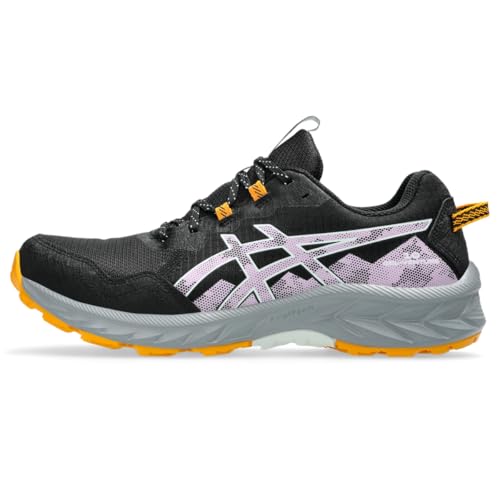
- Rearfoot GEL helps absorb impact at footstrike.
- AMPLIFOAM cushioning adds softer underfoot comfort.
- Trail outsole pattern improves grip on varied surfaces.
Best For: Trail runners wanting cushioning and dependable traction
High-Stack Security
Brooks Caldera 8 Ultra Trail Shoe
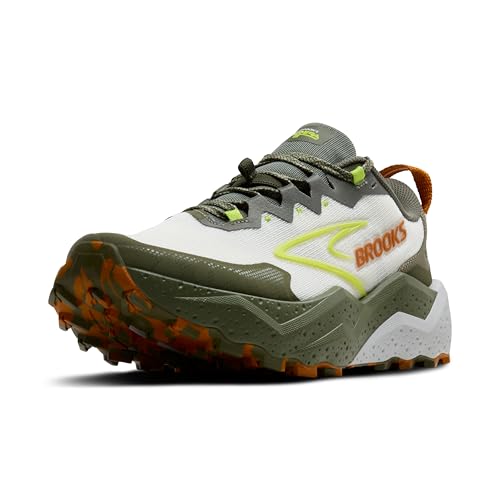
- Raised sidewalls add security and stabilization.
- Widened base helps stabilize landings on rough terrain.
- DNA Loft v3 cushioning is plush and protective.
Best For: Distance runners wanting plush cushioning with extra security
Stability Pick
Brooks Cascadia 19 for rugged trails

- Trail Adapt System adds stability and adaptability.
- TrailTack Green outsole grips wet and dry terrain.
- DNA LOFT v3 cushioning feels soft and responsive.
Best For: Trail runners wanting a protective, stable shoe for rough terrain.
Cushioning Pick
Merrell Antora 4 for trail comfort

- FLOATPRO Foam adds cushioning and energy return.
- Quantum Grip outsole is built for confidence on tough trails.
- FLEXconnect grooves support a flexible, natural ride.
Best For: Runners who want cushioned comfort and dependable trail grip.
Lightweight Pick
adidas Terrex Tracefinder for fast trails
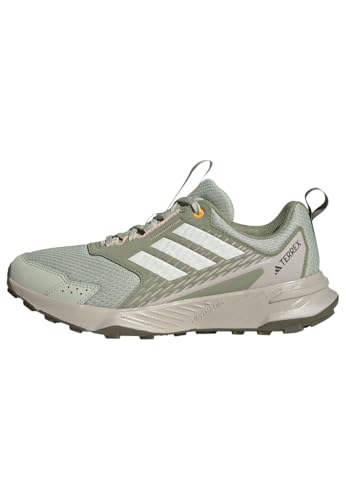
- LIGHTMOTION cushioning keeps the shoe lightweight.
- Traxion outsole is built for multi-direction grip.
- Mesh and synthetic upper balances breathability and durability.
Best For: Runners seeking a light trail shoe with dependable grip.
Best Heavy-Duty Pick
New Balance Women’s DynaSoft Tektrel V1

- AT Tread outsole for pavement-to-trail grip
- Lightweight at 249.3g
- Performance midsole helps absorb impact
Best For: Women seeking a light, grippy trail shoe for mixed terrain
Locked-Down Comfort Choice
New Balance Dynasoft Tektrel V1 Suede

- Corded eye row aims for a locked-down fit
- Maximum cushioning for softer landings
- Water-resistant build for damp trails
Best For: Runners wanting secure lacing and plush cushioning on trails
Grip-Focused Trail Support – Saucony Excursion Tr14 Trail Shoes
If you want trail running shoes for weak ankles that feel steady without getting overly bulky, the Saucony Men’s Excursion Tr14 is built around grip and foot-holding comfort. Its carbon-rubber lugs help keep footings secure, while the supportive mesh upper and overlays aim to lock the foot in place and protect against debris.
Best For: Trail runners who want a stable-feeling, moderate-cushion option for everyday routes and lighter hiking.
Pros:
- Carbon-rubber outsole lugs are made for rock-solid footing on trail surfaces.
- Supportive overlays help lock the foot into place.
- Moderate VERSARUN cushioning adds comfort without feeling oversized.
- Trail-specific mesh keeps the shoe from feeling bulky.
Cons:
- Not water resistant.
- Moderate cushioning may not feel enough for runners who want maximum softness.
This is a practical pick if your priority is secure traction and a guided feel underfoot rather than a super-plush ride. It balances comfort and structure in a straightforward trail package.
Soft-Impact Stability – ASICS Gel-Venture 10
The ASICS Women’s Gel-Venture 10 is a strong option for trail running shoes for weak ankles when you want softer impact and dependable grip. Rearfoot GEL technology is designed to improve impact absorption, while AMPLIFOAM cushioning and the trail-specific outsole pattern add comfort and traction on mixed surfaces.
Best For: Runners who want more impact absorption and a cushioned, grippy feel for trail and outdoor runs.
Pros:
- Rearfoot GEL technology improves impact absorption at footstrike.
- AMPLIFOAM cushioning adds a softer feel underfoot.
- Trail-specific outsole pattern improves grip on various surfaces.
- Ankle-high shoe height may add a more secure feel.
Cons:
- Not water resistant.
- Designed as a running shoe, so it is not the most specialized stability model.
For runners who want a cushioned trail shoe with a bit more forgiving landing, this model stands out more for comfort and traction than for aggressive support features. It’s a sensible, everyday trail choice.
High-Stack Security – Brooks Caldera 8 Ultra Trail Shoe
Brooks Men’s Caldera 8 Ultra Trail Running Shoe - Dusty Olive/Lime/Oyster - 9.5 Medium
Check Price On AmazonFor trail running shoes for weak ankles, the Brooks Men’s Caldera 8 leans into protection and stability with raised sidewalls and a widened base. Its high-stacked DNA Loft v3 cushioning is meant to soften rough terrain, while the adaptive upper and flex grooves aim to keep the ride secure and controlled over long distances.
Best For: Distance trail runners who want a plush, protective shoe with added sidewall security and a stable landing platform.
Pros:
- Raised sidewalls offer added security and stabilization.
- Widened base and flex grooves work to stabilize landings.
- DNA Loft v3 cushioning is super plush and high-stacked for protection.
- Breathable upper materials help manage ventilation and moisture.
Cons:
- Maximum cushioning and high stack may feel more substantial than a low-profile trail shoe.
- Has no listed adjustability.
- Not water resistant.
This is the most protective-feeling option in the group, especially if you want extra sidewall guidance and a softer ride for longer runs. It’s built for comfort and security over rugged terrain, not a minimal trail feel.
Lightweight Grip Pick – adidas Terrex Soulstride Rain.rdy
The adidas Women’s Terrex Soulstride Rain.rdy is a practical choice if you’re comparing trail running shoes for weak ankles and want a lightweight feel with solid grip. Its mesh upper keeps the shoe breathable, while the EVA midsole and Traxion outsole focus on step-absorbing comfort and traction in all directions on rugged terrain.
Best For: Runners who want a lightweight trail shoe with reliable traction and simple cushioning.
Pros:
- Traxion outsole is designed to maximize grip in all directions.
- EVA midsole provides step-absorbing, durable comfort.
- Mesh upper improves breathability and light weight.
- Made in part with recycled materials.
Cons:
- No heel structure is listed.
- Not water resistant.
- More focused on grip and lightweight comfort than on built-in stability features.
This shoe makes sense if you want a straightforward trail runner that stays light on foot while still delivering traction. It’s less about advanced support and more about keeping the ride simple and confident.
Stability Pick – Brooks Cascadia 19 for rugged trails
Brooks Men’s Cascadia 19 Mountain Trail Running Shoe - Phantom/Rum Raisin/Green - 10.5 Medium
Check Price On AmazonIf you’re looking for trail running shoes for weak ankles, the Brooks Men’s Cascadia 19 is built to add confidence on uneven ground. Its Trail Adapt System pairs with a flexible Ballistic Rock Shield and DNA LOFT v3 cushioning to help create a stable, adaptable ride on mountain trails and rugged terrain.
Best For: Trail runners who want a stable, protective shoe for varied terrain and added underfoot confidence.
Pros:
- Trail Adapt System is designed for stability and adaptability.
- TrailTack Green outsole provides traction in wet and dry conditions.
- DNA LOFT v3 cushioning adds a soft, responsive feel.
- Reinforced toe cap and mudguard improve upper protection.
Cons:
- Not water resistant.
- Low-top design may not suit runners seeking more ankle coverage.
Overall, the Cascadia 19 is a strong pick if stability and protection matter most on technical trails. It’s a practical option for runners who want a grippy, cushioned shoe that can handle changing terrain.
Cushioning Pick – Merrell Antora 4 for trail comfort
For trail running shoes for weak ankles, the Merrell Women’s Antora 4 focuses on comfort, traction, and ground connection rather than maximum structure. Its FLOATPRO Foam footbed and midsole add cushioning, while FLEXconnect flex-grooves help the shoe move naturally over changing trail surfaces.
Best For: Trail runners who want a cushioned, grippy shoe with a flexible ride.
Pros:
- FLOATPRO Foam footbed and midsole add lightweight cushioning.
- Quantum Grip outsole is made for confidence in tough trail conditions.
- FLEXconnect grooves improve ground connection and flexibility.
- Breathable mesh and TPU upper adds durability and airflow.
Cons:
- Not water resistant.
- Low-top, flat-heel design may not provide extra ankle support.
The Antora 4 is a solid choice if you want a trail shoe that feels cushioned without losing trail feel. It’s especially appealing for runners who prioritize comfort and traction on demanding routes.
Lightweight Pick – adidas Terrex Tracefinder for fast trails
If you’re shopping for trail running shoes for weak ankles, the adidas Women’s Terrex Tracefinder is a lightweight option with a simple, responsive feel. It uses LIGHTMOTION cushioning for a super-light step-in sensation, while the Traxion outsole is shaped to maximize grip across rugged terrain.
Best For: Trail runners who want a lightweight shoe with reliable traction and a smooth feel.
Pros:
- LIGHTMOTION cushioning keeps the ride super light.
- Traxion outsole is designed for grip in all directions.
- Mesh and synthetic upper balances breathability and durability.
- 10 mm drop may feel familiar for many runners.
Cons:
- Not water resistant.
- Lighter build may appeal less to runners who want extra protection.
The Tracefinder is a straightforward pick for runners who value lightness and traction over a more protective build. It’s a practical option for mixed outdoor adventures when you want an easy, quick-feeling trail shoe.
Stable Cushioning Pick – ASICS Gel-Venture 11 Trail Running Shoes
If you need trail running shoes for weak ankles, the ASICS Gel-Venture 11 is a practical option thanks to its rearfoot GEL cushioning, moderate cushioning level, and ankle-high shoe height. The mesh upper and OrthoLite Hybrid Max Lite sockliner also help keep the ride breathable and comfortable on longer runs.
Best For: Runners who want a cushioned, ankle-high trail shoe with shock absorption and everyday athletic versatility.
Pros:
- Rearfoot GEL technology helps absorb shock on uneven ground.
- AMPLIFOAM PLUS midsole adds a softer ride than standard AMPLIFOAM.
- Ankle-high build may feel more supportive than low-cut trail shoes.
- OrthoLite Hybrid Max Lite sockliner supports breathability and moisture management.
Cons:
- Not water resistant, so wet conditions can be a drawback.
- Molded rubber outsole is versatile, but the notes do not call out aggressive trail lugs.
Overall, this is a comfort-first trail shoe with useful cushioning for runners who want a little more security around the ankle without moving to a hiking-style boot.
Best Heavy-Duty Pick – New Balance Women’s DynaSoft Tektrel V1
For trail running shoes for weak ankles, the New Balance Women’s DynaSoft Tektrel V1 is a lightweight low-top option that focuses on traction and impact absorption. Its aggressive lug pattern and AT Tread outsole are the standout features if you want grip on both pavement and dirt, while the performance midsole adds cushioning underfoot.
Best For: Women who want a light trail runner with strong traction and comfortable cushioning for mixed surfaces.
Pros:
- Aggressive lug pattern and AT Tread outsole provide versatile grip.
- Lightweight design at 249.3g keeps the shoe easy to wear.
- Performance midsole absorbs impact during trail runs.
- Lifestyle-inspired upper adds comfort and everyday wear appeal.
Cons:
- Low-top design offers less ankle coverage than higher-cut trail shoes.
- Not water resistant, so it is less ideal for wet trails.
This model makes sense if you value traction and lightness more than extra ankle coverage. For runners with weak ankles, it may work best on less technical trails or paired with supportive insoles or braces.
Locked-Down Comfort Choice – New Balance Dynasoft Tektrel V1 Suede
New Balance Men's DynaSoft TEKTREL V1 Trail Running Shoe, Black/Phantom/Magnet, 10 M
Check Price On AmazonIf you are comparing trail running shoes for weak ankles, the New Balance Dynasoft Tektrel V1 Suede stands out for its locked-down feel, maximum cushioning, and water-resistant build. The corded eye row is designed to help secure the fit, while the DynaSoft midsole combines responsive performance with plush comfort on trail runs.
Best For: Trail runners who want a secure-feeling, cushioned shoe with added weather protection.
Pros:
- DynaSoft midsole pairs responsiveness with plush comfort.
- Corded eye row is meant to create a locked-down feeling.
- Maximum cushioning can help soften longer runs.
- Water-resistant construction adds useful protection in damp conditions.
Cons:
- Low-top design still leaves the ankle less covered than higher-cut shoes.
- Camouflage styling and suede design may not suit every runner’s preference.
This is the most secure-feeling option in the group from a fit perspective, though it is still a low-top. If your weak ankles need support from lacing and cushioning more than from collar height, this is a strong candidate.
How We Picked These Trail Running Shoes for Weak Ankles
We focused on shoes that offer a practical mix of underfoot stability, secure lockdown, reliable traction, and enough cushioning to reduce harsh impacts on uneven ground. For Trail Running Shoes for Weak Ankles, fit matters just as much as outsole grip, so we prioritized models with supportive heel structures, predictable midsoles, and comfortable uppers that help limit side-to-side movement.
Quick Comparison: What These Shoes Do Best
Some models lean toward plush cushioning for long miles, while others emphasize a more grounded feel for better control. A few are better suited to mixed trails and light terrain, while others are built to handle rougher, more technical routes. If you want the most confidence on unstable surfaces, look for the options with the most secure midfoot hold and the widest, most stable base.
Key Buying Factors for Trail Running Shoes for Weak Ankles
Stability Platform
A broader sole and steady midsole can help reduce wobble when you land on uneven surfaces. Avoid shoes that feel overly tall or overly soft if you regularly roll your ankles.
Heel and Midfoot Lockdown
A snug heel counter and secure lacing system help keep your foot centered in the shoe. This is especially important on descents, where foot slippage can increase instability.
Traction and Outsole Design
Good lugs and dependable rubber help maintain footing on dirt, mud, gravel, and wet rock. Better traction can reduce sudden corrective movements that stress weak ankles.
Cushioning Vs. Ground Feel
More cushioning can improve comfort, but too much stack height may feel less stable. Many runners with weak ankles do better with moderate cushioning that still lets them feel the trail.
Upper Support and Fit
Look for uppers that hold the foot securely without pressure points. A dialed-in fit can matter more than extra padding when you need control over technical terrain.
Who Should Buy Which Trail Running Shoes for Weak Ankles?
If you want maximum confidence on rough trails, choose the most stable, trail-focused options with firmer support and strong traction. If your runs are mostly smooth paths with occasional dirt or gravel, a lighter, more versatile shoe may be enough. Runners who prefer long-distance comfort should lean toward more cushioned models, while those who prioritize ankle control should choose shoes that feel lower, steadier, and more securely locked in.
In short, the best Trail Running Shoes for Weak Ankles are the ones that match your terrain, mileage, and fit preferences while making your stride feel controlled from the first mile to the last.
