
If you train in a cramped home gym, apartment corner, or shared workout area, the right belt should support heavy lifts without adding clutter. The best weightlifting belts for small spaces are easy to store, quick to put on, and versatile enough for squats, deadlifts, and accessory work.
This roundup focuses on compact, practical options that balance support, comfort, and convenience for tighter training setups.
Best 10 Weightlifting Belts for Small Spaces Picks for 2026
Self-Locking Security
Element 26 Self-Locking 4-Inch Belt

- Self-locking buckle resists slipping during lifts.
- Uniform 4-inch profile for consistent bracing.
- Lightweight nylon build is easy to manage.
Best For: Competition-approved lifters who want a simple, secure belt.
Heavy Pull Support

- Built for weighted dips, pull-ups, squats, and calf raises.
- Supports up to 350 lbs with reinforced stitching.
- Breathable lining and padding improve comfort.
Best For: Compact multi-use training, especially weighted calisthenics.
Quick Transition Lock
Gymreapers Quick Locking 4-Inch Belt

- Quick locking buckle speeds up transitions.
- Lightweight nylon keeps the belt easy to handle.
- Competition tested for lifting and cross-training.
Best For: Athletes who need fast adjustments and portable support.
Compact Hook-and-Loop Fit
Grey Nylon Weight Lifting Belt
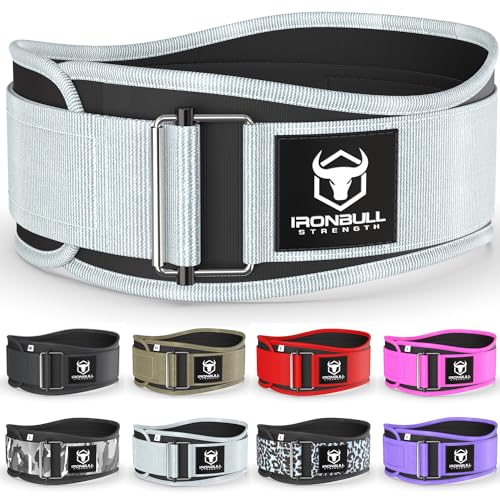
- Compact nylon build suits simple storage.
- Hook-and-loop plus buckle closure is easy to adjust.
- Designed for squats, deadlifts, lunges, and training.
Best For: General strength training when you want a compact belt.
Self-Locking Support Pick
Dark Iron Self-Locking Weight Lifting Belt for Powerlifting

- Quick self-locking adjustments between sets
- Flexible nylon build with thick padding
- Available in sizes down to XS
Best For: Small-space lifters wanting fast, secure support
Tactical Utility Choice
WOLF TACTICAL Weight Lifting Belt

- Structured nylon resists folding under load
- Quick-release buckle for fast transitions
- MOLLE webbing adds accessory attachment
Best For: Compact gyms and lifters who want added utility
Heavy-Duty Leather Pick
Genuine Leather 6-Inch Lifting Belt

- Double-sided leather for durability and support
- Suede lining adds comfort during training
- Sizing is based on true waist, not pant size
Best For: Lifters wanting a traditional leather belt with firm support
Compact Velcro Option
4'' Self-Locking Weight Lifting Belt

- 4-inch nylon design is flexible and easy to store
- Hook-and-loop closure allows quick on-and-off use
- Thickened padding adds comfort and support
Best For: Quick workouts and users who want easy adjustment
Precision Fit Leather Pick
RDX Cowhide Weight Lifting Belt

- Cowhide leather build with 7 mm thickness
- Wide padded back supports squats and deadlifts
- 10 holes and twin-prong buckle improve fit control
Best For: Lifters who want adjustable, heavy-duty lumbar support
Self-Locking Security – Element 26 Self-Locking 4-Inch Belt
If you want weightlifting belts for small spaces that are easy to bring out, use, and put away, this compact nylon belt is a practical pick. The Element 26 model focuses on a uniform 4-inch profile, a metal self-locking buckle, and a lightweight build that keeps things simple for training sessions where storage and quick transitions matter.
Best For: Lifters who want a competition-approved, quick-release belt with a uniform 4-inch profile.
Pros:
- Self-locking buckle is designed to stay secure without slipping.
- Uniform 4-inch width supports consistent intra-abdominal pressure.
- Light nylon build keeps it easy to handle and stow after workouts.
- Competition approved for Olympic lifting and functional fitness events.
Cons:
- Small size is limited to a 29-inch waist in the supplied details.
- No padding or tapered shape if you prefer a softer feel.
This belt is built for straightforward performance rather than extra features, which makes it a smart choice for lifters who want reliability in a compact training setup. If you value a secure buckle and a clean 4-inch design, it fits the brief well.
Heavy Pull Support – POZTEV Dip Belt With Chain
For weightlifting belts for small spaces, a dip belt can be a clever choice because it stores easily and covers several movements without taking up much room. This POZTEV model is built around a chain attachment, reinforced stitching, and a contoured shape that supports weighted pull-ups, dips, squats, and calf raises.
Best For: Trainees who want one belt for dips, pull-ups, squats, and other weighted bodyweight work.
Pros:
- Rated for up to 350 lbs of loading.
- Chain and metal D-rings support weighted exercises.
- Breathable lining and padding add comfort for longer sessions.
- Adjustable stainless steel hook closure helps it stay secure.
Cons:
- Not a traditional lifting belt for bracing heavy barbell lifts.
- One-size design may not feel equally ideal for everyone.
If your training space is tight and you need a versatile accessory instead of a bulky belt, this is a strong option. It is especially useful when you want one compact piece of gear for multiple weighted calisthenics moves.
Quick Transition Lock – Gymreapers Quick Locking 4-Inch Belt
Among weightlifting belts for small spaces, this Gymreapers model stands out for quick on-and-off use between exercises. It uses a quick locking buckle, a lightweight nylon build, and a uniform 4-inch width, making it a practical choice when you want support without a bulky belt slowing down your training flow.
Best For: Athletes who want a fast-adjusting belt for cross-training, lifting, and competition use.
Pros:
- Quick locking buckle makes transitions fast and simple.
- Uniform width supports core stability and intra-abdominal pressure.
- Lightweight nylon construction is easier to carry and store.
- Competition tested and approved across several lifting styles.
Cons:
- Sizing requires measuring around the navel, not using waist size.
- Small size is listed with a 31-inch waist in the details provided.
This is a good fit for lifters who value speed, portability, and a no-fuss setup. If your training space is limited, its lightweight design and quick lock system make it easier to keep your gear streamlined.
Compact Hook-and-Loop Fit – Grey Nylon Weight Lifting Belt
If you are comparing weightlifting belts for small spaces, this grey nylon option is easy to appreciate for its compact size and simple closure system. The hook-and-loop plus buckle setup gives it a practical, low-maintenance feel for squats, deadlifts, lunges, and general training without adding much bulk to your gear pile.
Best For: Lifters who want a compact, straightforward belt for general strength training.
Pros:
- Small size and nylon build keep it compact.
- Hook-and-loop closure adds quick adjustability.
- Works for squats, deadlifts, lunges, and training.
Cons:
- Supplied details do not mention reinforced stitching or competition approval.
- Less specialized than belts made for heavy Olympic or powerlifting use.
This belt makes sense if you want something uncomplicated and space-friendly for everyday workouts. It is the most basic option here, but that can be an advantage when you only need dependable support and easy storage.
Self-Locking Support Pick – Dark Iron Self-Locking Weight Lifting Belt for Powerlifting
If you need one of the more practical weightlifting belts for small spaces, this Dark Iron belt is easy to manage between sets thanks to its self-locking design and quick adjustments. The 4-inch nylon build gives you firm support without the bulk of a traditional leather belt, making it a solid choice for compact home gyms where you want fast on-off use and reliable core bracing.
Best For: Lifters who want a secure, adjustable nylon belt for powerlifting, squats, deadlifts, and general gym training.
Pros:
- Self-locking mechanism makes tightening and loosening fast between sets.
- Heavy-duty nylon construction offers more flexibility than traditional leather.
- Thick padding helps reduce rubbing at the skin and stomach.
- Available in multiple sizes, including an XS range for smaller waists.
Cons:
- Not machine washable; it needs hand washing and air drying.
- Best fit depends on measuring your actual waist, not pants size.
This is a straightforward training belt for lifters who value quick adjustments and dependable support over extra features. It fits well in a small-space setup because it is simple, durable, and ready for repeated use without fuss.
Tactical Utility Choice – WOLF TACTICAL Weight Lifting Belt
For buyers comparing weightlifting belts for small spaces, this WOLF TACTICAL belt stands out because it stays structured under load while offering a quick-release buckle for efficient transitions. The nylon construction is sweat-resistant and wipe-clean, and the MOLLE webbing adds utility if you like keeping small accessories close at hand in a compact training area.
Best For: Lifters who want a sturdy nylon belt with quick-release convenience and MOLLE accessory attachment options.
Pros:
- Heavy-duty nylon webbing holds its shape without folding under load.
- Self-locking quick-release buckle is fast to secure and remove.
- MOLLE webbing adds modular attachment options for small accessories.
- Sweat-resistant, wipe-clean construction suits repeated training use.
Cons:
- Utility features like MOLLE may be unnecessary if you only want a basic belt.
- Size range is limited, so careful measuring still matters.
This belt is a good fit for organized home gyms where gear needs to stay compact and practical. It combines supportive structure with extra utility, which makes it appealing if you want more than a standard lifting belt.
Wide Comfort Option – RitFit 6 Inch Weight Lifting Belt
If you prefer a broader support surface in a smaller training area, this RitFit belt is a strong option among weightlifting belts for small spaces because it focuses on comfort, quick adjustment, and stable positioning. Its extra-wide 6-inch contoured design is meant to stay snug without riding up or digging in, which can be useful when you want efficient setup and dependable support for squats and deadlifts.
Best For: Lifters who want a wide, padded belt with fast hook-and-loop adjustment for squats, deadlifts, and core work.
Pros:
- 6-inch contoured design provides broad back, abs, and core support.
- Hook-and-loop strap allows quick adjustments during workouts.
- Premium reinforced tricot is designed for comfort and durability.
- Multiple sizes and colors make fit selection easier.
Cons:
- The wider profile may feel bulky for lifters who want a slimmer belt.
- Uses hook-and-loop closure rather than a traditional buckle-only setup.
RitFit’s approach is simple: give you a comfortable, supportive belt that is easy to adjust and stable during heavier lifts. It makes sense for small-space training when you want one belt that can handle both quick accessory work and heavier sessions.
Heavy-Duty Leather Pick – Genuine Leather 6-Inch Lifting Belt
If you want weightlifting belts for small spaces that still feel sturdy, this leather option is built for compact home gyms and basic strength training setups. It uses a widened 6-inch profile, suede padding, and a double-sided leather build to give back and abdomen support without adding complicated hardware or extra bulk.
Best For: Lifters who want a durable leather belt for daily training, powerlifting, and back support in a simple setup.
Pros:
- Double-sided leather construction adds durability and support.
- Suede lining helps improve comfort and reduce skin irritation.
- Reinforced top stitches are designed for long-term use.
- Clear size guidance based on true waist measurement, not pant size.
Cons:
- Buckle closure is less quick to adjust than Velcro styles.
- Leather belts are typically less flexible than nylon options.
- Size selection requires careful measuring around the belly button area.
This is a straightforward heavy-duty belt for lifters who prioritize firm support and durability over convenience. It fits best when you want a traditional training belt that can handle repeated use in a compact workout area.
Compact Velcro Option – 4'' Self-Locking Weight Lifting Belt
For weightlifting belts for small spaces, this nylon model makes sense when you want something easy to put on, take off, and store between sessions. Its 4-inch width, hook-and-loop closure, and flexible heavy-duty build are geared toward fast workouts, while the thickened padding adds support and comfort during high-intensity lifting.
Best For: Men and women who want a lightweight, flexible belt for quick training sessions and easy adjustment.
Pros:
- 4-inch width gives a balanced mix of support and mobility.
- Hook-and-loop closure makes it easy to secure and remove.
- Heavy-duty nylon construction is more flexible than traditional leather.
- Breathable fabric and thickened padding improve comfort during workouts.
Cons:
- Velcro-style closure may not feel as rigid as a prong buckle.
- Best fit requires measuring where the belt will actually sit, around the navel area.
- Size range is limited to 22″-26″.
This belt is a practical choice if you want a compact, user-friendly option that supports core stability without feeling overly stiff. It is especially appealing for home gym users who value quick transitions and simple storage.
Precision Fit Leather Pick – RDX Cowhide Weight Lifting Belt
If you are shopping for weightlifting belts for small spaces and want a more structured feel, this RDX leather belt offers a padded back, twin-prong roller buckle, and multiple adjustable holes. The 4-inch and 6-inch variations make it a flexible pick for lifters who want solid lumbar support without sacrificing precision.
Best For: Men and women who want a durable, adjustable leather belt for squats, deadlifts, and heavy training.
Pros:
- Genuine cowhide leather and 7 mm thickness are built for durability.
- Wide padded back is designed to improve lumbar support.
- 10 adjustable holes help fine-tune the fit.
- Dual-pronged roller buckle is made to help prevent slipping and riding.
Cons:
- Leather and steel buckle construction is less compact than a soft nylon belt.
- Fit depends on careful measurement using the provided size chart.
- Higher-support design may feel more rigid than flexible training belts.
This is a strong all-around lifting belt for people who want reliable support and a precise fit. It works well when you need something sturdy enough for heavier work but still adjustable enough for regular training sessions.
How We Picked the Best Weightlifting Belts for Small Spaces
For Weightlifting Belts for Small Spaces, the best choices are not just about stiffness or padding. We looked for belts that are easy to hang, stash in a drawer, or toss in a gym bag, while still offering reliable bracing for core support. We also favored models with secure closures, reasonable bulk, and broad exercise compatibility.
Quick Comparison
In a small training area, the biggest differences come down to storage footprint, ease of use, and how much room the belt takes up during setup. Self-locking and quick-locking belts are usually the most convenient for fast transitions, while leather belts often provide stronger structure but can feel bulkier. Dip belts and specialty attachments make sense only if you need that function regularly.
Key Buying Factors for Weightlifting Belts for Small Spaces
Storage and Portability
Choose a belt that rolls, folds, or hangs neatly. If your space is limited, avoid models that are excessively thick or awkwardly shaped unless you need maximum support.
Closure Type
Self-locking and metal-buckle designs are popular because they are secure and fast. If you share equipment or train in short sessions, a simple closure can save time and reduce hassle.
Width, Padding, and Bulk
A 4-inch belt is often a good all-around option for compact setups. Wider or heavily padded belts may offer comfort, but they can also feel less streamlined when storage space is tight.
Exercise Style
If you mainly squat and deadlift, a supportive leather or quick-lock belt may be the best fit. If you do pull-ups, dips, or bodyweight work, a dip belt is more useful than a standard lifting belt.
Fit and Adjustability
Look for enough adjustment holes or sizing range to dial in a snug fit without overcomplicating setup. A belt that fits well is easier to use consistently in a small workout area.
Who Should Buy Which Weightlifting Belts for Small Spaces?
Beginners and general lifters usually do best with a straightforward, easy-to-adjust belt that is comfortable and not overly bulky. Powerlifters and heavier strength athletes may prefer a firmer leather model or a self-locking belt for added stability. If you have very limited room and train multiple movement patterns, choose a compact, versatile design that stores easily and works across sessions. For dip and pull-up work, a dedicated dip belt is the better pick.
Overall, the best Weightlifting Belts for Small Spaces are the ones you will actually use often: supportive, simple to store, and matched to your training style.
