
The best camping tents for backpacking balance low carry weight with dependable weather protection, livable space, and a setup you can manage after a long day on the trail. This roundup compares 10 options across solo, two-person, and larger configurations.
Whether you need a compact shelter for fast-and-light trips or a roomier tent for shared weekends, use the guide below to match capacity, construction, and features to your route and conditions.
Best 10 Camping Tents for Backpacking Picks for 2026
Trail-Ready Freestanding Pick

- Freestanding aluminum frame
- 30 sq. ft. interior with vestibule
- Seam-taped 3-season construction
Best For: Backpackers prioritizing easy setup and dependable shelter
Value-Focused Ultralight Option
Clostnature 2-Person Backpacking Tent

- Two doors and two vestibules
- PU 5000 waterproof coating
- 4.5 lb minimum trail weight
Best For: Value-minded hikers needing convenient shared access
Budget Casual-Camping Pick
Wakeman Outdoors 2-Person Tent
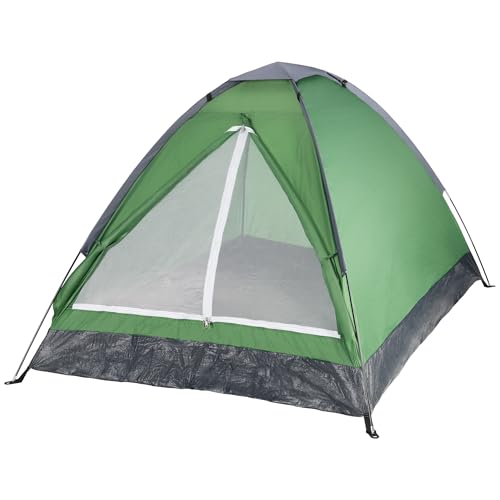
- Lightweight 3.3 lb design
- Rain fly and carry bag included
- 30.08 sq. ft. floor area
Best For: Mild-weather trips, festivals, and casual backpacking
Ventilated Two-Door Shelter
Night Cat 2-Person Backpacking Tent

- Two doors and dual vestibules
- Full mesh walls with ceiling vents
- 3,000mm waterproof protection
Best For: Two-person trips prioritizing airflow and easy access
Best Lightweight Value

- 4.3-pound carry weight
- PU3000 waterproof-coated polyester
- Double-layer ventilated door
Best For: Casual backpacking and camping on a budget
Best Weather Protection
Forceatt 2-Person Backpacking Tent

- Full-coverage 3000mm rainfly
- Two doors and two vestibules
- 7001-series aluminum poles
Best For: Two-person trips in changeable weather
Best for Fast Solo Setup
Night Cat Upgraded Backpacking Tent

- Approximately one-minute clip setup
- PU3000 fabrics with taped seams
- Compact 4.4-pound solo design
Best For: Solo backpacking, hiking, and motorcycle camping
Balanced Two-Person Pick
BISINNA Lightweight Backpacking Tent

- Two-person, double-layer design with two doors
- PU2000mm rainfly and aluminum poles
- Compact packed size with quick setup
Best For: Couples and two-person three-season backpacking
Solo Fast-Setup Shelter
camppal 1 Person Backpacking Tent

- 3.75-pound solo design with three-minute setup
- 8.2-foot interior length for taller campers
- 3500–4000mm water resistance and taped seams
Best For: Solo hikers seeking a long, quick-pitch shelter
Feature-Rich Two-Person Choice
Forceatt Waterproof Backpacking Tent

- Two doors and two vestibules for access and storage
- PU-coated materials, taped seams, and aluminum poles
- Three-minute setup with mesh ventilation
Best For: Two-person trips needing storage and convenient setup
Trail-Ready Freestanding Pick – Kelty Grand Mesa 2
For shoppers comparing camping tents for backpacking, the Kelty Grand Mesa 2 stands out as a straightforward, freestanding three-season shelter. Its aluminum pole frame, quick-pitch features, and compact carry bag make it practical for backcountry trips where dependable setup matters.
Best For: Backpackers who want an easy-to-pitch two-person tent with a freestanding design and vestibule storage.
Pros:
- Freestanding aluminum pole design weighs 4 pounds 7 ounces packed.
- Quick Corners, color-coded clips, and fly attachments simplify setup.
- Seam-taped polyester construction and a 3,300mm waterproof rainfly help handle changing weather.
- EZ-Zip vestibule provides protected exterior storage.
Cons:
- At 4 pounds 7 ounces, it is not the lightest option in this group.
- There is one door and one vestibule.
- The interior measures 30 square feet, which may feel compact for two campers with bulky gear.
The Grand Mesa 2 balances simple pitching, freestanding convenience, and trail-ready weather protection. It is a sensible choice when ease of use and a proven-style shelter matter more than minimizing every ounce.
Value-Focused Ultralight Option – Clostnature 2-Person Backpacking Tent
The Clostnature two-person model is a versatile choice among camping tents for backpacking, combining a relatively low minimum trail weight with strong waterproofing details. Its two doors and two vestibules are especially useful for sharing space and organizing gear.
Best For: Budget-conscious backpackers who want dual access, vestibule storage, and a compact freestanding package.
Pros:
- Minimum trail weight is listed at 4.5 pounds, with a compact 16.5-inch packed length.
- Two D-shaped doors and two vestibules improve access and storage.
- PU 5000 waterproof coating, bathtub construction, and factory-sealed seams support wet-weather use.
- Includes aluminum poles, 14 stakes, guylines, and a pole repair kit.
Cons:
- Total weight is listed at 5.29 pounds, heavier than its minimum trail weight.
- Its 45.28-inch peak height may feel low for taller campers.
- The product is described as suitable for all-season conditions, but the supplied specifications identify it as a three-season tent.
With two entrances, generous waterproofing specifications, and a useful included repair kit, the Clostnature offers strong practical value. Pay attention to the difference between minimum trail weight and total packed weight when planning your load.
Budget Casual-Camping Pick – Wakeman Outdoors 2-Person Tent
The Wakeman Outdoors two-person tent is a basic, lightweight shelter for shoppers seeking camping tents for backpacking and casual outdoor trips. At 3.3 pounds, it is the lightest listed option here, though its fiberglass pole and water-resistant construction are better suited to mild-use outings than demanding backcountry conditions.
Best For: Casual backpackers, festival campers, beach trips, and warm-weather weekend use.
Pros:
- Listed weight is just 3.3 pounds.
- Includes a rain fly and carrying bag.
- Ventilation window supports airflow in spring and summer conditions.
- 30.08 square feet of floor area accommodates two people.
Cons:
- Fiberglass poles are less trail-oriented than aluminum poles.
- The specifications list water resistance rather than a dedicated waterproof rating.
- Its 40-inch maximum height is lower than several competing models.
The Wakeman is appealing when low weight and a low-key price-conscious setup are the priorities. For frequent wet-weather or rugged backpacking, shoppers may prefer one of the aluminum-pole tents with more explicit waterproof construction.
Ventilated Two-Door Shelter – Night Cat 2-Person Backpacking Tent
The Night Cat two-person tent is a strong contender among camping tents for backpacking when ventilation and shared access are high priorities. It pairs aluminum poles with two doors, dual vestibules, full mesh inner walls, and a full-coverage rainfly for a practical three-season setup.
Best For: Two-person backpacking teams who want airflow, dual entry, and covered gear storage without a complicated pitch.
Pros:
- Two aluminum poles and a freestanding design support quick setup.
- Two D-shaped doors and dual vestibules make entry and gear organization easier.
- Full mesh walls and dual ceiling vents help improve airflow and reduce condensation.
- Seam-taped construction, a waterproof floor, and a rainfly provide weather protection up to 3,000mm.
Cons:
- At 4.4 pounds, it is not the lightest two-person option listed.
- The 55.1-inch width may be snug for two campers with substantial gear inside.
- It is specified as a three-season tent rather than a winter shelter.
The Night Cat offers a well-rounded feature set for warm-weather and shoulder-season trips. Its dual-door layout and ventilation system make it particularly convenient for two people, while the 4.4-pound weight remains reasonable for many backpacking loads.
Best Lightweight Value – JELUCAMP 2-Person Dome Tent
For shoppers comparing camping tents for backpacking, the JELUCAMP 2-person dome tent focuses on simple setup, manageable weight, and basic weather protection. It weighs 4.3 pounds, uses PU3000-coated polyester, and includes a double-layer door for ventilation and insect protection.
Best For: Solo campers or two-person trips where easy setup and a compact, budget-conscious design matter.
Pros:
- Sets up in a few minutes.
- PU3000 waterproof-coated polyester and fiberglass poles provide weather-resistant construction.
- Double-layer door combines mesh ventilation with insect protection.
- 4.3-pound weight and included carry bag support easier transport.
Cons:
- Fiberglass poles are less suited to demanding conditions than aluminum poles.
- Only one door is listed.
- At 4.3 pounds, it is not the lightest option for extended backpacking trips.
The JELUCAMP is a practical choice for casual backpacking, camping, and hiking. Its straightforward dome design and useful ventilation make it appealing when convenience matters more than ultralight weight.
Best Weather Protection – Forceatt 2-Person Backpacking Tent
The Forceatt is a strong contender among camping tents for backpacking when rain protection, airflow, and convenient access are priorities. Its full-coverage rainfly, welded floor, 3000mm waterproof rating, and aluminum poles are paired with a stated three-minute setup.
Best For: Two-person backpacking trips in variable weather where dual doors, vestibules, and aluminum pole support are useful.
Pros:
- Two D-shaped doors and two vestibules improve entry and gear storage.
- 3000mm waterproofing, a welded floor, and full-coverage rainfly help protect against wet conditions.
- 7001-series aluminum poles and reflective guylines support wind resistance.
- Mesh window and two ceiling vents promote airflow and help reduce condensation.
Cons:
- At 5.5 pounds, it is heavier than the other listed options.
- Its two-person interior may feel tight when storing larger gear inside.
- The product is described for three- to four-season use, but specific winter limitations are not provided.
With its weather-focused construction and two-door layout, the Forceatt offers a comfortable setup for partners who value access and protection. The added features come with a noticeable weight trade-off.
Best for Fast Solo Setup – Night Cat Upgraded Backpacking Tent
The Night Cat upgraded tent stands out among camping tents for backpacking with clip-based assembly that takes about one minute. Designed primarily for one adult, it combines a 4.4-pound packed weight with PU3000 materials, taped seams, a small vestibule, and mesh ventilation.
Best For: Solo backpackers, hikers, and motorcycle campers who want very quick setup and a compact packed size.
Pros:
- Clip attachment system enables approximately one-minute setup.
- PU3000 rainfly and floor fabrics plus taped seams provide substantial rain protection.
- Compact 16.5-by-4.7-by-4.7-inch package is convenient to carry.
- Mesh door, roof window, vestibule, guylines, and stakes add ventilation and functionality.
Cons:
- Its one-person layout is less suitable for two adults.
- Fiberglass poles add durability but are not as light as some aluminum alternatives.
- The 4.4-pound weight is moderate rather than ultralight.
The Night Cat is a practical solo shelter for trips where setup speed and rain protection are more important than minimizing every ounce. Its compact packed size and small vestibule further suit mobile outdoor adventures.
Balanced Two-Person Pick – BISINNA Lightweight Backpacking Tent
For shoppers comparing camping tents for backpacking, the BISINNA offers a practical balance of space, ventilation, and packability. Its double-layer design, aluminum poles, two doors, and included rainfly suit three-season hiking, camping, and bikepacking trips.
Best For: Couples or two-person backpacking trips where quick setup and two-door access matter.
Pros:
- Two-person interior with two D-shaped doors for easier entry and improved airflow.
- Lightweight 7001 aluminum poles and a compact 16.9-by-5.9-by-5.9-inch packed size.
- PU2000mm rainfly, mesh ventilation, aluminum stakes, and wind ropes are included.
Cons:
- At 4.7 pounds listed weight, it may be heavier than minimalist solo shelters.
- The supplied specifications identify it primarily as a three-season tent despite a conflicting four-season detail.
The BISINNA is a versatile option for hikers who want a freestanding two-person shelter without a complicated pitching process. Its two-door layout and included components add everyday convenience, while the weight is worth considering for longer carries.
Solo Fast-Setup Shelter – camppal 1 Person Backpacking Tent
Among camping tents for backpacking, the camppal stands out for solo travelers who prioritize a long sleeping area and fast pitching. Its single-pole design sets up in about three minutes, while the 8.2-foot length leaves room for taller users and personal gear.
Best For: Solo hikers who want a lightweight, weather-resistant shelter with extra length.
Pros:
- Light 3.75-pound design with a simple single-ridge-pole setup.
- 8.2-foot interior length accommodates taller sleepers and some personal belongings.
- 3500–4000mm water resistance, taped seams, rip-stop fabric, and aluminum pole construction support wet and windy conditions.
Cons:
- One-person interior and single door provide less room and access than two-door models.
- The narrow 2.95-foot floor width is optimized for solo use rather than spacious living.
The camppal is a focused solo shelter for backpackers who value quick deployment and weather protection. Its elongated profile is especially useful for taller campers, although the narrow footprint and one-door layout keep the design firmly minimalist.
Feature-Rich Two-Person Choice – Forceatt Waterproof Backpacking Tent
The Forceatt combines useful organization and weather-focused construction in a two-person shelter for camping tents for backpacking. Two vestibules, two doors, taped seams, aluminum poles, and ceiling vents make it suited to hikers who want convenient access and extra covered storage.
Best For: Two-person camping and mountaineering trips where vestibule storage and fast setup are priorities.
Pros:
- Two D-shaped doors and two side vestibules provide convenient access and storage for packs or shoes.
- PU-coated polyester rainfly and groundsheet, taped seams, aluminum poles, and wind ropes support wet-weather use.
- Quick three-minute assembly, two-minute removal, mesh window, and ceiling vents improve usability.
Cons:
- At 5.68 pounds listed weight, it is not the lightest option for extended backpacking carries.
- The supplied details contain differing water-resistance figures, so shoppers should verify the current specification.
The Forceatt is a practical choice when comfort features matter as much as carrying weight. Its dual vestibules and ventilation system add everyday livability, while the relatively heavier build may appeal more to short backpacking trips, camping, and travel than ultralight outings.
How We Picked the Best Camping Tents for Backpacking
We focused on the factors that matter most when a tent has to travel in a pack: stated capacity, overall portability, pole construction, weather protection, setup design, and useful livability features such as vestibules and interior room. The selection includes solo tents, two-person shelters, and larger models for couples, families, or gear-heavy trips.
Because listed specifications can vary by size and configuration, confirm the exact packed weight, dimensions, and included components for the model you plan to buy. A tent described as waterproof or suitable for multiple seasons may still require careful site selection, seam management, and a suitable groundsheet in severe weather.
Quick Comparison
| Best For | What to Prioritize | Models to Consider |
|---|---|---|
| Solo backpacking | Low weight and compact packed size | camppal, Night Cat, Clostnature |
| Two-person trips | Balance of weight, room, and weather protection | Kelty, BISINNA, Wakeman, Forceatt |
| Flexible group use | Higher capacity and straightforward setup | JELUCAMP, Kelty Grand Mesa |
| Wet or windy conditions | Full rain fly, sturdy poles, and secure guy points | Forceatt, Night Cat, BISINNA |
Key Buying Factors for Camping Tents for Backpacking
Capacity and Interior Space
Choose a one-person shelter when minimum weight is the priority. A two-person tent is often the most versatile choice for solo campers who want extra room or partners sharing equipment. If you camp with children, pets, or substantial gear, a three- or four-person model can be more comfortable, but the added floor area usually increases pack weight.
Weight, Packed Size, and Poles
Compare packed weight rather than relying on labels such as “lightweight.” Aluminum poles generally offer a useful strength-to-weight balance, while a compact carry bag makes transport easier. Also check whether the listed weight includes the rain fly, poles, stakes, and footprint.
Weather Protection and Season Rating
For most three-season trips, look for a rain fly, bathtub-style floor, protected seams, adequate ventilation, and multiple guy-out points. Wind resistance depends on both design and pitching technique. A four-season label does not replace a true mountaineering shelter when exposed winter conditions are expected.
Setup and Livability
Clip-based systems can simplify setup, especially for beginners or solo arrivals at camp. A vestibule provides protected storage for boots and packs, while mesh panels improve airflow and reduce condensation. Check door placement, floor dimensions, peak height, and whether two occupants can sit up comfortably.
Who Should Buy Which Camping Tents for Backpacking?
Ultralight solo hikers: Start with a compact one-person option such as the camppal or a Night Cat model, then verify its packed weight and interior dimensions. Couples and shared trips: Two-person Kelty, BISINNA, Wakeman, and Forceatt models offer a practical starting point for balancing comfort and carryability.
Beginners and casual campers: Choose a shelter with uncomplicated setup, a complete rain fly, and a carry bag, such as a JELUCAMP or Clostnature configuration. Campers expecting changeable weather: Favor stronger pole systems, secure guy lines, good ventilation, and a full-coverage fly over the lowest possible weight. Finally, size up when comfort matters more than shaving every ounce from your pack.
