
If you’re shopping for carbon plate insoles for runners, the goal is usually the same: a more responsive ride, better underfoot support, and a fit that matches your shoes and training style.
This roundup focuses on options that balance performance, stiffness, and comfort so you can choose the right insert without guessing.
Best 10 Carbon Plate Insoles for Runners Picks for 2026
Best for Explosive Power
2026 Sport Carbon Fiber Performance Insoles

- Carbon fiber plate aims to boost push-off and responsiveness.
- Arch support and shock absorption add stability for harder training.
- Trim-to-fit design works in running shoes and court shoes.
Best For: Runners and multi-sport athletes who want a rigid, responsive insert for speed and explosiveness.
Best for Stability & Energy Return
VKTRY Silver Carbon Fiber Insoles

- Carbon fiber composite build for rebound and impact absorption
- Structured arch support with deep heel cradle for stability
- Lightweight fit for non-cleated athletic shoes
Best For: Runners and athletes who want firm support, stability, and a responsive ride.
Best for Energy Return
Welnove Carbon Fiber Sport Insoles
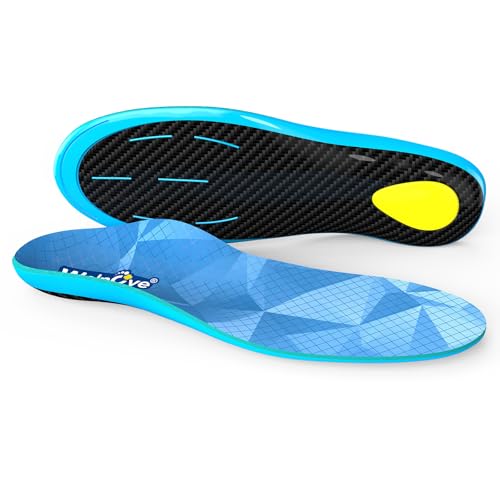
- Spring-like carbon fiber plate for propulsion
- PU cushioning helps absorb shock
- Good for roomy shoes and high-impact sports
Best For: Runners and athletes who want more energy return, support, and impact protection.
Best for Foot Injury Recovery
Carbon Fiber Insole for Turf Toe Relief

- Rigid carbon fiber plate limits toe bend for rehab.
- Ultra-thin, low-bulk design fits under your regular insole.
- Made for removable-insole shoes and recovery-focused use.
Best For: Runners and active users recovering from turf toe, hallux rigidus, or foot fractures.
Best for Explosive Training
VKTRY Gold Carbon Fiber Insoles

- Aerospace-grade carbon fiber for a stiff, responsive ride
- Custom fit by sport and weight for targeted support
- Built for energy return, stability, and shock absorption
Best For: Runners and athletes who want a performance-first carbon fiber insole for speed work and explosive movement.
Best for Explosive Cleat Performance
VKTRY Gold Cleated Shoes Insoles

- Aerospace-grade carbon fiber construction
- Tuned for sprinting, jumping, and cuts
- Best in very snug cleats and track spikes
Best For: Athletes in tight cleats or spikes who want a speed-focused carbon-fiber insole.
Best for Explosive Power – 2026 Sport Carbon Fiber Performance Insoles
If you want carbon plate insoles for runners that also pull double duty for court sports, this model is built around stiffness, energy return, and shock absorption. It’s a stronger fit for athletes chasing a more responsive toe-off than for anyone who wants a soft, cushioned everyday insert.
Best For: Runners, jump-focused athletes, and multi-sport players who want a rigid carbon-fiber insert with arch support and a performance-first feel.
Pros:
- Carbon fiber + PU foam build aims to improve propulsion and reduce fatigue.
- Arch support design may help stabilize the foot and ease pressure on heels or the forefoot.
- Breathable, sweat-absorbing surface helps keep feet drier during long sessions.
- Works across running and court shoes, with trim-to-fit customization.
Cons:
- Stiffer feel may be too aggressive for runners who prefer plush cushioning.
- Performance claims are ambitious, so results may vary by shoe and athlete.
- Best suited to non-cleated shoes, which limits some sport use cases.
For runners who want a more propulsive, race-oriented insert, these carbon plate insoles for runners are a compelling niche option. They make the most sense when your priority is responsiveness and support over all-day softness.
Best for Recovery Walking – 0.8mm Carbon Fiber Insole
If you want carbon plate insoles for runners that prioritize protection over propulsion, this 0.8 mm carbon fiber insert is built to limit forefoot bending and reduce stress through the big toe and MTP joint. It’s a practical option for recovery walks, workouts between flare-ups, and everyday wear in shoes with removable insoles.
Best For: Runners and active walkers managing turf toe, hallux rigidus/limitus, forefoot fractures, or arthritis who need rigid support inside regular shoes.
Pros:
- Thin 0.8 mm carbon fiber build helps restrict toe and forefoot motion without much bulk.
- Full-length plate spreads pressure more evenly for a more comfortable underfoot feel.
- Works in many shoes with removable insoles, so you can skip a bulky post-op shoe.
Cons:
- Too rigid for runners who want a springy or performance-oriented feel.
- Fit depends on matching the removable insole length closely.
- Not ideal for shoes without removable insoles or with very tight toe boxes.
For runners who need support after irritation or injury, these carbon plate insoles for runners are more about protecting the forefoot than adding speed. That makes them a strong choice for conservative recovery and daily walking, but less suited to pure race-day performance.
Best for Stability & Energy Return – VKTRY Silver Carbon Fiber Insoles
VKTRY Silver insoles are a strong option if you want carbon plate insoles for runners who need a more structured feel, plus added support for training and court work. The carbon fiber composite build aims to improve energy return while keeping the insert lightweight and stable inside non-cleated athletic shoes.
Best For: Runners and multi-sport athletes who want firm arch support, shock absorption, and a more responsive ride in trainers or other athletic footwear.
Pros:
- Carbon fiber composite construction is designed for energy return and impact absorption.
- Structured arch support and a deep heel cradle help improve stability and alignment.
- Lightweight enough for training shoes without adding much bulk.
- Works in many non-cleated athletic shoes for running, court sports, and workouts.
Cons:
- More structured feel may not suit runners who prefer soft, flexible insoles.
- Primarily aimed at athletic shoes, not specialized cleats.
For runners comparing carbon plate insoles for runners, this model stands out more for stability and rebound than for a plush underfoot feel. It makes the most sense if you want a firmer insert that supports controlled landings and a responsive stride.
Best for Rigid Support – TEGA Carbon Fiber Insole for Turf Toe & Fractures
If you need carbon plate insoles for runners that prioritize stiffness over cushioning, the TEGA Carbon Fiber Insole is built for limiting toe bend and helping protect sensitive forefoot injuries. It’s a practical choice for runners, hikers, and court-sport athletes who want a rigid insert rather than a springy performance plate.
Best For: Runners recovering from turf toe, foot fractures, hallux rigidus, or hallux limitus who need firm underfoot support in athletic shoes.
Pros:
- Rigid carbon fiber design helps reduce motion through the forefoot and toes.
- Useful for multiple activities, including running, hiking, trekking, and basketball.
- Sold as a pair, so you get matched inserts for both shoes.
Cons:
- Very stiff feel may be uncomfortable for runners who want more flex.
- Support-focused design is less about energy return and more about protection.
- May require shoe compatibility checks because rigid plates do not fit every toe box equally well.
For runners who need protection from toe pain or post-injury stress, these carbon plate insoles for runners are more of a medical-style support option than a speed booster. That makes them a strong pick when stability and motion control matter most.
Best for Energy Return – Welnove Carbon Fiber Sport Insoles
If you want carbon plate insoles for runners that focus on propulsion, shock absorption, and support, the Welnove Carbon Fiber Sport Insoles are built for high-impact training. The curved carbon fiber plate is designed to act like a spring underfoot, helping return energy with each stride while the PU cushioning adds comfort and stability.
Best For: Runners, jump athletes, and multi-sport users who want extra energy return, support, and injury protection in roomy shoes.
Pros:
- Carbon fiber plate is shaped for spring-like energy return
- PU cushioning adds shock absorption and comfort for high-impact sports
- Built to support recovery and reduce stress on joints and feet
- Useful for running, basketball, hiking, and other active sports
Cons:
- Too thick for tight-fitting shoes
- May feel awkward during the first few wear sessions
- Performance can drop if shoes get damp
For runners who want carbon plate insoles for runners that emphasize performance support over a minimalist feel, this pair is a strong fit. The tradeoff is space inside the shoe, but in the right footwear it offers a useful mix of responsiveness, cushioning, and protection.
Best for Foot Injury Recovery – Carbon Fiber Insole for Turf Toe Relief
If you need carbon plate insoles for runners to help limit painful toe bend after turf toe, hallux rigidus, or a foot fracture, this rigid carbon fiber insert is built more for protection than comfort. It’s ultra-thin, designed to sit under your regular insole, and works best when you want a stiff support layer during rehab, not a soft everyday feel.
Best For: Runners, walkers, and active users recovering from toe or midfoot injuries who need rigid support inside removable-insole shoes.
Pros:
- Very stiff carbon fiber construction helps limit foot bending and reduce pain.
- Ultra-thin profile keeps bulk low inside sneakers or work boots.
- Can be flipped to fit either foot; comes as a 2-piece pair.
- Useful for recovery-focused daily activity when paired with cushioned insoles.
Cons:
- Not suitable if you want a softer feel or performance-only use.
- Must fit under an existing removable insole and cannot be cut.
- May take 1–2 weeks to get used to, especially for new users.
For runners rehabbing toe pain or fractures, this is a specialist option rather than a general upgrade, and that’s exactly where carbon plate insoles for runners can make the most sense. If your goal is stability, protection, and a lower-profile alternative to a walking boot, this insert is a strong match.
Best for Explosive Training – VKTRY Gold Carbon Fiber Insoles
If you want carbon plate insoles for runners that prioritize energy return and stability over soft cushioning, VKTRY Gold is built for fast, high-impact training. The carbon fiber plate is designed to support responsive takeoffs, controlled landings, and lower-body alignment during sprints, jumps, and hard efforts.
Best For: Runners and multi-sport athletes who want a customized, performance-first insole for speed work, sprinting, and explosive movement in non-cleated shoes.
Pros:
- 100% aerospace-grade carbon fiber construction for a stiff, responsive feel
- Customized by sport and weight for more tailored support and fit
- Designed for energy return, stability, and shock absorption in high-impact use
- Independent testing cites gains in explosiveness and sprint performance
Cons:
- Not a soft, plush insole if you mainly want comfort-first cushioning
- Performance fit depends on choosing the correct sport and weight version
- More specialized than standard insoles, so it may feel too rigid for casual wear
For runners who want carbon plate insoles for runners with a performance focus, VKTRY Gold stands out as a specialized option rather than a general comfort insert. It makes the most sense for athletes chasing faster turnover, stronger push-offs, and more stable mechanics in training or competition.
Best for Foot Pain Relief – Carbon Fiber Foot Plates
If you want rigid support that limits toe bend and helps offload pressure during recovery, these carbon plate insoles for runners are a practical pick. They’re thin, lightweight, and made for use in athletic shoes when you need stiffness for turf toe, hallux rigidus, Morton’s toe, or other forefoot pain.
Best For: Runners and active users who need a stiff carbon fiber insert for pain relief, recovery, or post-op support.
Pros:
- Sold as a pair, so you get both shoes covered
- Rigid 1.2 mm carbon fiber design helps limit forefoot motion
- Works in sneakers, hiking boots, and many sports shoes
- Lightweight, thin, and durable real carbon fiber build
Cons:
- Very stiff feel may not suit runners who want flexibility
- Not intended for dress shoes or high heels
- Fit depends on matching the insert length to your shoe size
For runners dealing with toe-joint pain or forefoot injuries, this is more of a support and recovery tool than a performance booster. As carbon plate insoles for runners go, it stands out for stiffness, simplicity, and broad use across everyday athletic shoes.
Best for Explosive Cleat Performance – VKTRY Gold Cleated Shoes Insoles
If you want carbon plate insoles for runners who train in cleats or spikes, VKTRY Gold is built around energy return, stability, and a tight fit for high-impact movement. The carbon fiber baseplate is aimed at sprinting, jumping, cutting, and fast push-offs rather than casual all-day comfort.
Best For: Athletes in snug cleated shoes who want a carbon-fiber insole tuned for speed, explosiveness, and stable landings.
Pros:
- 100% aerospace-grade carbon fiber for responsive energy return
- Sport- and weight-specific design for a more customized feel
- Made for sprinting, jumping, cutting, and explosive starts
- Third-party testing reports measurable performance gains
Cons:
- Best suited to very tight-fitting cleats and spikes, not roomy shoes
- Performance-focused design may feel too firm for comfort-first buyers
- Primarily aimed at field sports and track use, not general walking
For runners and field athletes who care more about speed mechanics than plush cushioning, these carbon plate insoles for runners offer a very specific performance-first setup. They make the most sense when you need a rigid, explosive platform inside a narrow cleat or spike.
Best Simple Pick – Lennoos Sport Carbon Fiber Insoles
If you’re comparing carbon plate insoles for runners, the Lennoos Sport Carbon Fiber Insole stands out for its stiff full-length plate and springy multi-layer build. It’s aimed more at speed work, sprint sessions, and explosive training than everyday walking, so buyers should expect a performance-first feel rather than soft cushioning.
Best For: Runners, sprinters, and court-sport athletes who want a rigid carbon plate insole for faster push-off, better stability, and more responsive training.
Pros:
- Full-length carbon fiber plate creates a stable, propulsive base.
- Multi-layer design adds rebound plus some shock absorption.
- Trim-to-fit sizing helps improve in-shoe lockdown and control.
- Useful for running, sprint drills, jumping, and cutting sports.
Cons:
- Performance-focused feel may be too stiff for casual wear.
- May need trimming and original insoles removed for best fit.
- Not a plush or heavily cushioned option.
As carbon plate insoles for runners go, this is a strong pick if your priority is stiffness, energy transfer, and a locked-in platform for speed sessions. It makes the most sense for athletes who want a more aggressive, race-day-style feel during training.
How We Picked These Carbon Plate Insoles for Runners
We focused on construction, intended use, and how well each option fits common running and cross-training needs. Priority went to models with a carbon fiber plate or composite insert, practical sizing options, and enough structure to support repeated ground contact.
We also considered whether the insole is designed for performance running, multi-sport use, or foot-condition support, since those categories do not always overlap. That matters when comparing Carbon Plate Insoles for Runners, because the best choice depends on whether you want propulsion, rigidity, or protection.
Quick Comparison
Some entries in this list are built for broad athletic performance, while others are better suited to stiff-foot support or recovery. If you want a more race-oriented feel, look for a lighter, more responsive plate design. If comfort and stability matter more, choose a structured model with arch support or full-length coverage. For turf toe, hallux rigidus, or fracture recovery, a rigid thin plate usually makes more sense than a soft performance insole.
Key Buying Factors for Carbon Plate Insoles for Runners
Stiffness and Plate Feel
Carbon plate insoles vary from mildly supportive to highly rigid. More stiffness can improve leverage and energy return, but it may feel uncomfortable in daily trainers if you prefer a flexible ride.
Fit, Shape, and Shoe Compatibility
Check whether the insole is made for non-cleated shoes, cleated shoes, or a specific size range. A proper fit is essential for runners because excess movement inside the shoe can reduce comfort and stability.
Arch Support and Cushioning
Some carbon fiber designs emphasize pure stiffness, while others add arch support or shock absorption. If you log longer miles or want a more forgiving feel, that extra support can matter.
Use Case and Injury Needs
For speed-focused training, choose a performance model that feels springy without being overly bulky. For recovery or foot pain, prioritize rigid support and medical-style design. The best Carbon Plate Insoles for Runners are the ones matched to your actual need, not just the most aggressive plate.
Who Should Buy Which Carbon Plate Insoles for Runners?
Choose a lighter performance insole if you want a faster feel for running, jumping, or multisport training. Choose a structured model with arch support if you want a balance of responsiveness and comfort. Choose a rigid carbon plate if you need help limiting toe bend, managing a stiff forefoot, or protecting an irritated foot during activity.
If you run in multiple shoe types, confirm whether the product is meant for standard athletic shoes or sport-specific footwear before buying. That simple check can save you from sizing issues and the wrong level of stiffness.
