
Choosing the right heart rate monitor for interval training can make a real difference when your workouts shift from easy recoveries to all-out efforts. The best options deliver fast, accurate readings without dropping signal mid-session.
In this roundup, we focused on models that balance precision, comfort, battery life, and platform compatibility so you can train harder with less guesswork.
Best 10 Heart Rate Monitor for Interval Training Picks for 2026
Top Accuracy Pick
- Top precision focus for training data
- Bluetooth, ANT+, and 5 kHz support
- Waterproof with internal memory
Best For: Athletes who want a highly accurate chest strap with broad compatibility
Garmin Ecosystem Pick

- Real-time heart rate and HRV data
- Up to 1 year battery life
- Machine washable strap with two sizes
Best For: Garmin users who want a reliable chest strap for connected workouts
Compact Fit Choice

- Top-precision Polar H10 sensor
- Bluetooth, ANT+, and 5 kHz support
- Smaller X-Small-Small strap size
Best For: Users who need a smaller chest strap without giving up Polar H10 features
Advanced Training Pick

- Heart rate, HRV, and workout recording
- Running dynamics and treadmill support
- Rechargeable battery up to 2 months
Best For: Runners and multisport athletes who want advanced data and recording features
Precision Endurance Pick
Wahoo TRACKR Heart Rate Monitor

- Accurate real-time heart rate data
- Bluetooth and ANT+ connectivity
- Over 100 hours of battery life
Best For: interval athletes who want a secure chest strap with broad app and equipment compatibility
Budget-Friendly Chest Strap
- Bluetooth and ANT+ dual-mode connection
- Works with many training apps and gym machines
- 300-hour battery life with IP67 rating
Best For: multi-device training and indoor workouts with broad app compatibility
Comfort Arm-Band Choice

- Soft arm-band design for comfort
- Bluetooth connection with up to 3 devices
- Auto-wear detection and precise workout data
Best For: users who prefer an arm-band monitor over a chest strap
Armband Accuracy for Zone-Based Training
COOSPO HW9 Bluetooth 5.0 ANT+ Armband

- ±1 BPM optical tracking with calorie data
- 5-color zone lights and HRV support
- Bluetooth 5.0, ANT+, and 35-hour battery
Best For: Comfort-first interval training with visible zone guidance
Long-Life Chest Strap Precision
CYCPLUS H2Pro Bluetooth ANT+ Chest Strap

- ECG algorithm aims to reduce motion and sweat interference
- Bluetooth and ANT+ with app/device support
- Up to 500 hours of battery life
Best For: Precise interval sessions with minimal battery upkeep
Comfort-Focused All-Day Strap
Powr Labs Bluetooth ANT+ Chest Strap
- Soft strap built to reduce chafe and slip
- Bluetooth and ANT+ with 400+ app support
- 400+ hour battery life with replaceable battery
Best For: Daily interval training with maximum comfort and simple pairing
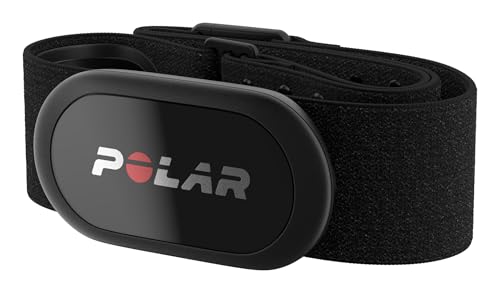
Top Accuracy Pick – Polar H10 Chest Strap
If you want a heart rate monitor for interval training that prioritizes precision, the Polar H10 is a strong option. It pairs with Bluetooth, ANT+, and 5 kHz equipment, and it can send data to two Bluetooth devices at once, making it practical for gym sessions, watches, and apps.
Best For: Athletes who want a highly accurate chest strap with broad compatibility.
Pros:
- Widely recognized for top precision in Polar’s lineup.
- Works with Bluetooth, ANT+, and 5 kHz connections.
- Fully waterproof with internal memory for multiple hours.
- Comfort-focused Pro strap with silicone dots and improved electrodes.
Cons:
- Uses a CR2025 battery rather than a rechargeable design.
- Chest-strap fit may not suit everyone who prefers wrist wear.
For interval sessions where clean, real-time heart rate data matters, this model stands out for versatility and measurement quality. Its broad device support and onboard memory make it especially useful when training across different setups.
Garmin Ecosystem Pick – Garmin HRM 200
The Garmin HRM 200 is a practical heart rate monitor for interval training if you already use Garmin gear. It transmits real-time heart rate and heart rate variability data to compatible Garmin smartwatches, cycling computers, fitness equipment, and apps, while offering a comfortable strap and long battery life.
Best For: Garmin users who want a reliable chest strap for connected workouts.
Pros:
- Transmits real-time heart rate and HRV data to compatible Garmin devices and apps.
- Up to 1 year of battery life with a user-replaceable CR2032 battery.
- Comes in two strap sizes for a better fit.
- Machine washable and rated 3 ATM for durability.
Cons:
- Best suited to Garmin-compatible ecosystems.
- No extra running or swim dynamics listed in the supplied notes.
If your interval workouts revolve around Garmin watches or cycling computers, this monitor keeps setup simple and maintenance low. It focuses on dependable real-time data and everyday convenience rather than extra advanced metrics.
Compact Fit Choice – Polar H10 XS-S Strap
This Polar H10 version is a good heart rate monitor for interval training if you need the same accuracy and connectivity in a smaller strap size. It supports Bluetooth, ANT+, and 5 kHz connections, and it can be used with compatible equipment across phones, tablets, laptops, and desktops.
Best For: Users who need a smaller chest strap without giving up Polar H10 features.
Pros:
- Recognized for top precision and strong measurement quality.
- Supports Bluetooth, ANT+, and 5 kHz connectivity.
- Fully waterproof with internal memory for multiple hours.
- X-Small-Small strap size for a more compact fit.
Cons:
- Chest strap design may not be ideal for everyone.
- Uses a CR 2025 battery instead of a rechargeable option.
For fast-paced intervals, the appeal here is straightforward: dependable heart rate tracking, flexible compatibility, and a smaller strap option. It keeps the Polar H10 formula intact while better matching users who need a more compact fit.
Advanced Training Pick – Garmin HRM 600
The Garmin HRM 600 is built for athletes who want more than basic heart rate data from a heart rate monitor for interval training. It sends real-time heart rate and HRV data to compatible Garmin devices, records workouts when you can’t wear a watch, and adds running metrics plus treadmill pace and distance support.
Best For: Runners and multisport athletes who want advanced data and recording features.
Pros:
- Sends heart rate and HRV data to compatible Garmin devices and apps.
- Records workouts without a watch and syncs to Garmin Connect.
- Includes running dynamics such as stride length and vertical oscillation.
- Supports indoor track and treadmill pace and distance, plus swim activity tracking.
Cons:
- Rechargeable battery life is listed at up to 2 months, shorter than some rivals.
- Most advanced features require compatible Garmin hardware.
This model makes sense if your interval sessions also involve detailed performance tracking across running, swimming, and team sport use. It is the most feature-rich option here, especially for athletes already committed to the Garmin ecosystem.
Precision Endurance Pick – Wahoo TRACKR Heart Rate Monitor
If you want a heart rate monitor for interval training that stays accurate while you push hard, the Wahoo TRACKR Heart Rate Monitor is built around real-time performance tracking and a secure chest-strap fit. Its Bluetooth and ANT+ support makes it easy to use with training apps, fitness equipment, and other accessories, while the rechargeable battery is designed for long training cycles.
Best For: Athletes who want a connected chest strap with long battery life and steady performance during intense interval sessions.
Pros:
- Provides accurate real-time heart rate data for training efficiency.
- Bluetooth and ANT+ connectivity works with smartphones, fitness equipment, and popular apps.
- Soft, slim strap is designed to stay secure during intense exercise.
- LED indicators help confirm detection, battery status, and connection.
Cons:
- Uses a chest strap design, which some users may prefer less than an armband.
- Setup may be more involved if you want to pair it across multiple devices and apps.
Overall, the TRACKR is a strong option if you value a chest strap’s stability and want broad compatibility for structured interval workouts. The long-lasting rechargeable battery and simple connection options make it a practical training tool.
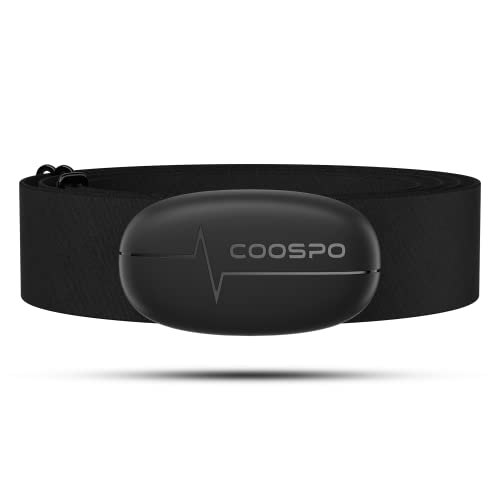
Budget-Friendly Chest Strap – COOSPO H6 Heart Rate Monitor
The COOSPO H6 is a practical heart rate monitor for interval training if you want dual-mode wireless connectivity and broad app support without overcomplicating setup. It delivers real-time heart rate data, works with Bluetooth and ANT+ devices, and is compatible with many fitness apps, bike computers, gym equipment, and sports watches.
Best For: Buyers who want a versatile chest strap for app-based training, indoor cycling, and gym workouts.
Pros:
- Bluetooth and ANT+ dual-mode connection supports multiple device types.
- Works with many third-party apps, including Strava, Zwift, Wahoo Fitness, and Polar Beat.
- Compatible with gym equipment, bike computers, and many sports watches.
- IP67 rating and 300-hour battery life add durability and convenience.
Cons:
- Electrode areas should be moistened before use for stable data transmission.
- Not intended for swimming or soaking in water.
- Chest strap fit may be less comfortable for users who prefer an arm-based monitor.
For interval training across multiple platforms, the H6 offers a lot of compatibility for the price point. Its long battery life and wide app support make it a dependable everyday training companion.
Comfort Arm-Band Choice – COROS Heart Rate Monitor
If comfort matters most in a heart rate monitor for interval training, the COROS Heart Rate Monitor stands out with its soft, breathable arm-band design and automatic wear detection. It uses Bluetooth connectivity, pairs with up to three devices at once, and is designed to deliver precise workout heart rate data without the feel of a traditional chest strap.
Best For: Athletes who want an easy-to-wear arm-band monitor with simple Bluetooth pairing and solid workout tracking.
Pros:
- Soft, breathable band is more comfortable than a chest strap for many users.
- Auto-wear detection powers on and off automatically when worn.
- Connects via Bluetooth and can pair with up to three devices.
- Advanced sensor is designed to provide reliable, accurate workout heart rate data.
Cons:
- Bluetooth only, so it is not compatible with ANT+ devices.
- Battery life is shorter than some chest-strap competitors at 38 hours.
- Designed for sports and activities rather than daily heart rate tracking.
The COROS monitor is a smart pick if you want a more comfortable alternative to a chest strap for hard workouts. Its automatic wear detection and multi-device Bluetooth support make it especially convenient for regular interval sessions.
Armband Accuracy for Zone-Based Training – COOSPO HW9 Bluetooth 5.0 ANT+ Armband
If you want a heart rate monitor for interval training that feels less restrictive than a chest strap, the COOSPO HW9 is built around optical armband comfort plus zone-based feedback. It adds HR zone indicator lights, HRV support, and max-heart-rate customization, which makes it easier to stay on target during hard efforts and recovery periods.
Best For: Athletes who want an armband monitor with zone alerts, app compatibility, and long battery life for mixed training.
Pros:
- Optical sensor claims ±1 BPM accuracy with calorie tracking.
- 5-color LED zone indicator helps you see intensity at a glance.
- Bluetooth 5.0 and ANT+ support broad device and app compatibility.
- Up to 35 hours of battery life with magnetic charging.
Cons:
- Armband fit may not be everyone’s preference versus a chest strap.
- Needs the companion app for max heart rate customization.
The HW9 is a practical pick if you want training-zone visibility without a chest strap. Its mix of comfort, connectivity, and HR safety features makes it especially useful for structured intervals, indoor workouts, and endurance sessions.
Long-Life Chest Strap Precision – CYCPLUS H2Pro Bluetooth ANT+ Chest Strap
For a heart rate monitor for interval training that prioritizes stable real-time data, the CYCPLUS H2Pro uses an ECG algorithm designed to reduce interference from movement, breathing, and sweat. It also supports HRV-focused training, making it a strong choice when you need consistent feedback through repeated hard efforts.
Best For: Runners, cyclists, and gym users who want a chest strap with long battery life and precise real-time tracking.
Pros:
- ECG-based tracking is designed for stable, accurate heart rate readings.
- Bluetooth and ANT+ support work with apps and devices such as Strava and cycling computers.
- Up to 500 hours of battery life from a CR2032 coin cell.
- IPX7 waterproof and dustproof construction for tougher training conditions.
Cons:
- Must be connected through supported apps rather than directly to a phone via Bluetooth.
- Dry conditions may require wetting the electrode area for better transmission.
The H2Pro is a straightforward chest-strap option when accuracy and endurance matter more than extra features. If you want a low-maintenance monitor for repeated intervals and long training blocks, its battery life and device support stand out.
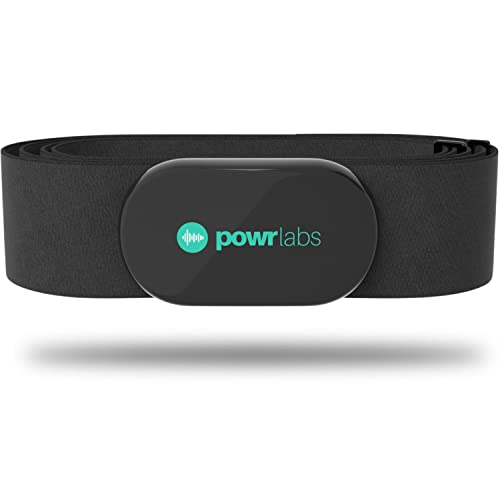
Comfort-Focused All-Day Strap – Powr Labs Bluetooth ANT+ Chest Strap
If you need a heart rate monitor for interval training that also stays comfortable for longer sessions, the Powr Labs chest strap focuses on soft fabric, easy connectivity, and reliable all-day wear. It supports dual ANT+ and Bluetooth syncing, plus HRV and calorie tracking through compatible apps.
Best For: Athletes who want a comfortable, low-fuss chest strap for daily training and app-based workouts.
Pros:
- Dual ANT+ and Bluetooth compatibility with 400+ fitness apps and major brands.
- Soft, seamless strap is designed to reduce chafing and slipping.
- 400+ hour battery life with a replaceable battery included.
- IPX67 sweatproof and water-resistant for hard sessions.
Cons:
- To pair correctly, it must be worn before pairing.
- It is a chest strap, so some users may prefer an armband instead.
The Powr Labs strap is appealing if you want a simple monitor that can handle frequent workouts without much maintenance. It balances comfort, long battery life, and broad compatibility, which makes it a solid fit for structured interval work.
How We Picked the Best Heart Rate Monitor for Interval Training
For a Heart Rate Monitor for Interval Training, accuracy during rapid pace changes matters more than simple all-day tracking. We prioritized models with strong sensor performance, stable Bluetooth and ANT+ connectivity, comfortable wear for repeated use, and durable builds that can handle sweat, rain, and frequent washing or cleaning.
We also gave extra weight to battery life, app and device compatibility, and whether the monitor can stay secure during sprints, hill repeats, row intervals, and circuit work.
Quick Comparison
Chest straps usually offer the fastest response and most consistent data, which makes them the best fit for high-intensity intervals. Armbands and optical sensors can be more comfortable and easier to wear, but they may lag slightly during sudden changes in effort. If you want maximum precision, choose a strap; if comfort and simplicity matter most, consider an armband.
Key Buying Factors for Heart Rate Monitor for Interval Training
Accuracy and Response Time
Intervals expose weak sensors quickly. Look for a monitor that reacts fast to spikes and recoveries so your zones, pace targets, and recovery timing stay useful.
Connectivity
Dual Bluetooth and ANT+ support is ideal if you train with watches, bikes, gym equipment, or apps like Zwift, Peloton, or Garmin-based platforms. Better compatibility means fewer pairing headaches.
Comfort and Stability
A monitor that shifts, rubs, or bounces will be distracting in hard sessions. Adjustable straps, soft electrodes, and secure arm bands help you stay focused on the workout.
Battery Life and Durability
Long battery life is helpful if you train several times per week or forget to charge often. Sweat resistance and waterproof ratings also matter because interval work tends to be intense and messy.
Who Should Buy Which Heart Rate Monitor for Interval Training?
If you want the most dependable data for racing, indoor training, or structured workouts, a chest strap is usually the best choice. If comfort is your top priority and you still want solid zone tracking, an optical arm band can be a smart compromise. Athletes who use multiple devices should favor models with broad app support and both Bluetooth and ANT+.
For most buyers, the best Heart Rate Monitor for Interval Training is the one that stays comfortable, pairs easily, and keeps pace with your hardest efforts without delay.
