
Low-drop running shoes can help forefoot runners find a more natural stride, better ground feel, and a fit that matches their landing style.
Below, we break down ten standout options for 2026, balancing zero-drop minimalism, everyday comfort, traction, and road-ready cushioning.
Best 10 Low Drop Running Shoes for Forefoot Runners Picks for 2026
Everyday Zero-Drop Comfort
WHITIN Women’s Wide Toe Box Running Shoes
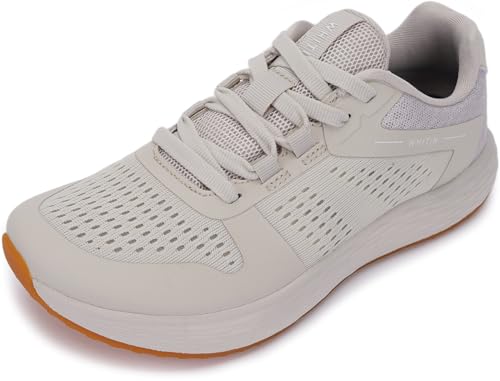
- Zero-drop sole encourages midfoot landing
- Wide toe box supports natural toe splay
- Mesh upper and rubber outsole suit daily runs
Best For: Forefoot runners seeking a roomy, breathable daily trainer
Grip-First Training Barefoot Shoe
Flux Adapt Graphene XT Barefoot Shoes

- Zero-drop design supports posture and balance
- Graphene outsole is built for strong traction
- Wide toe box and breathable mesh aid training
Best For: Cross-trainers and forefoot runners who prioritize grip and stability
Natural Road Comfort

- No-heel road design for a natural stride
- Breathable, flexible engineered knit upper
- Moderate-to-high cushioning with roomy fit
Best For: Forefoot runners wanting a flexible road shoe with a natural feel
Minimalist Barefoot Fit

- Zero drop with barefoot-inspired design
- Wide toe box and flexible traction
- Lightweight, breathable mesh build
Best For: Runners who want a minimalist, barefoot-style shoe
Efficient Forward Roll

- Rocker shape supports a smooth toe-off
- FootShape fit gives toes room to spread
- Lightweight foam midsole for comfortable road runs
Best For: Forefoot runners who want efficient road cushioning with a roomy fit
Zero-Drop Minimalist Road Runner

- 0 mm drop with 14 mm stack for a close-to-barefoot feel
- Lightweight 6.6 oz build for running, gym, and everyday wear
- ZipFoam midsole adds light cushioning without much bulk
Best For: Natural runners who want a minimalist zero-drop trainer
Guided Cushion Road Trainer
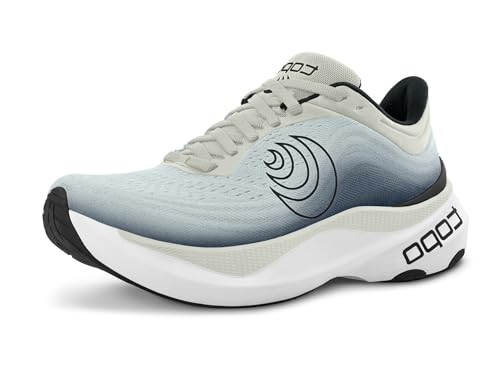
- 5 mm drop with a plush 38 x 33 mm platform
- Y-Frame Guidance System adds stability and gait guidance
- ZipFoam midsole supports long-mile comfort and responsiveness
Best For: Runners wanting a low-drop shoe with max cushioning and stability
Everyday Zero-Drop Comfort – WHITIN Women’s Wide Toe Box Running Shoes
If you want low drop running shoes for forefoot runners that feel approachable for daily mileage, this WHITIN pair is a practical pick. The zero-drop platform helps encourage a midfoot landing, while the wide toe box gives your toes room to spread naturally. The mesh upper and EVA foam add a comfortable, lightweight feel for runs, walks, and everyday wear.
Best For: Forefoot runners who want a budget-friendly, breathable zero-drop shoe for daily runs and casual wear.
Pros:
- Zero-drop sole supports a more natural midfoot/forefoot landing
- Wide toe box lets toes relax and splay out
- Mesh upper improves breathability for everyday use
- Rubber outsole adds traction in wet and dry conditions
Cons:
- Cushioning is moderate, not plush
- Not water resistant
- Best suited to daily running rather than technical terrain
Overall, this shoe covers the essentials for runners who want a simple low-drop setup with a roomier fit. It leans more toward comfort and practicality than performance features, which makes it a straightforward option for easy miles.
Minimalist Trail-All-Rounder – Xero Shoes Men’s Prio Barefoot Sneaker
For runners looking at low drop running shoes for forefoot runners, the Xero Shoes Prio is a very minimalist option. Its zero-drop construction and natural fit are designed to promote barefoot-style movement, and the optional 3mm insole lets you tune the ground feel. The wide toe box and durable rubber outsole make it a versatile choice for light runs, workouts, and trail use.
Best For: Runners and cross-trainers who want a minimalist, barefoot-style zero-drop shoe with a wide toe box.
Pros:
- Zero-drop design supports natural motion and alignment
- Optional 3mm insole allows a more barefoot feel
- Wide toe box gives toes room to spread
- Versatile for running, gym work, and light trail use
Cons:
- Minimal cushioning may not suit runners who want more protection
- Not water resistant
- Designed more for minimalist feel than high-comfort softness
The Prio is best viewed as a multi-use minimalist shoe rather than a cushioned trainer. If you like a close-to-ground ride and value flexibility across activities, it brings a lot of utility in one package.
Flexible Road Runner – ALTRA Women’s Escalante 4
The ALTRA Escalante 4 is a strong fit for low drop running shoes for forefoot runners who want a road shoe with more flexibility and comfort. Its zero-heel design, Altra EGO midsole foam, and InnerFlex grooves are built to move naturally while still feeling comfortable on daily runs and walks. The APMA Seal of Acceptance adds another confidence point for runners focused on foot-friendly design.
Best For: Forefoot runners who want a flexible, road-ready zero-drop shoe with moderate cushioning.
Pros:
- Zero-heel design supports a natural running position
- InnerFlex grooves add flexibility and movement
- Altra EGO foam provides comfortable underfoot feel
- APMA Seal of Acceptance highlights foot-health focus
Cons:
- Not water resistant
- Moderate cushioning may feel too firm for plush-shoe fans
- Best suited to road use rather than off-road protection
This is a well-rounded road option if you want a natural-feeling ride without going fully minimalist. It balances flexibility, comfort, and everyday usability better than many ultra-barefoot alternatives.
Grip-First Training Barefoot Shoe – Flux Adapt Graphene XT Barefoot Shoes
If your search for low drop running shoes for forefoot runners also includes gym work and cross-training, the Flux Adapt Graphene XT stands out for grip and stability. It uses a zero-drop layout, a wide toe box, and a graphene rubber outsole for traction, while the ballistic mesh upper is built for breathable durability. The AdaptSol insole adds flexible cushioning nodes for a more sensory, grounded feel.
Best For: Athletes who want a zero-drop, wide-toe-box shoe for training, lifting, and occasional running.
Pros:
- Zero-drop platform supports balance and posture
- Wide toe box helps with toe splay during lifts and movement
- Graphene outsole is designed for strong grip and durability
- Breathable ballistic mesh suits high-intensity training
Cons:
- Runs slightly small
- Not water resistant
- More training-focused than dedicated road-running shoe
For runners who split time between forefoot-friendly running and gym sessions, this is a highly functional minimalist option. Its strongest appeal is traction and stability, especially when your workouts demand more than a standard run shoe.
Natural Road Comfort – ALTRA Escalante 4
If you want low drop running shoes for forefoot runners with a more natural toe-off, the ALTRA Escalante 4 is built around that idea. It uses a no-heel design, a FootShape-style fit, and moderate-to-high cushioning to keep road miles comfortable while still allowing your toes room to move.
Best For: Forefoot runners who want a roomy, flexible road shoe with a more natural underfoot feel.
Pros:
- No-heel road running design supports a natural stride.
- Engineered knit upper is breathable and flexible.
- Moderate to high cushioning adds comfort for longer runs.
- APMA Seal of Acceptance adds extra confidence in foot-health support.
Cons:
- Not water resistant.
- Not built for trail-specific protection despite having a StoneGuard feature.
Overall, this is a practical pick if you want a road-focused shoe that prioritizes toe room, flexibility, and a natural feel over a traditional cushioned drop setup.
Minimalist Barefoot Fit – Flux Adapt Runner
For low drop running shoes for forefoot runners who want a truly minimalist feel, the FLUX FOOTWEAR Adapt Runner goes all-in on zero drop, a wide toe box, and flexible traction. It is designed to encourage natural motion, with a lightweight, breathable build that works for running, walking, and mixed everyday use.
Best For: Runners who prefer a barefoot-style shoe with maximum toe room and a very low-profile feel.
Pros:
- Zero drop heel and barefoot design support natural motion.
- Wide toe box gives toes room to spread.
- Lightweight mesh upper improves breathability.
- 3mm rubber outsole adds traction on road, gravel, and forest paths.
Cons:
- Runs slightly small according to the fit notes.
- Moderate cushioning may feel too minimal for runners wanting more softness.
This is the most minimalist option in the group, making it a strong match if you want a barefoot-inspired ride instead of a more traditional cushioned running shoe.
Efficient Forward Roll – ALTRA Experience Flow 2
If you are shopping for low drop running shoes for forefoot runners but still want a smoother, more guided ride, the ALTRA Experience Flow 2 is a strong road option. Its rocker shape helps create an efficient toe-off, while the FootShape fit keeps plenty of room up front for natural toe splay.
Best For: Forefoot runners who want a low-drop-feeling road shoe with an efficient rocker and roomy toe box.
Pros:
- Rocker shape helps promote an efficient toe-off.
- FootShape fit leaves room for toes to move freely.
- Lightweight midsole foam aims for an easy, comfortable feel.
- Low-top road design keeps it focused on running performance.
Cons:
- Not water resistant.
- More guided than a true minimalist shoe, so it may not suit runners seeking a barefoot feel.
Compared with the more stripped-down options here, this model leans toward efficient comfort, making it appealing if you want a natural forefoot-friendly fit without going fully minimal.
Zero-Drop Minimalist Road Runner – Topo Athletic ST-5
If you want low drop running shoes for forefoot runners with a close-to-barefoot feel, the Topo Athletic ST-5 is built around a 0 mm drop and a 14 mm stack height. It keeps the ride light and minimal while still adding ZipFoam cushioning for a bit of responsiveness, making it a practical pick for short runs, gym work, and everyday wear.
Best For: Runners who want a minimalist zero-drop shoe for natural movement, light training, and all-day versatility.
Pros:
- Zero-drop platform encourages a natural foot strike and ground connection
- Very light at 6.6 oz, which helps keep the shoe unobtrusive on foot
- ZipFoam midsole adds some cushioning without losing the minimalist feel
- Recycled mesh upper is breathable and designed for a snug fit
Cons:
- Minimal cushioning may not suit runners who prefer a plush ride
- Low stack height offers less underfoot protection on longer efforts
- Not water resistant
Overall, the ST-5 is a straightforward choice if you want a very natural, lightweight trainer rather than a heavily cushioned daily shoe. It stays true to the minimalist idea while still offering enough structure for casual training and everyday use.
Maximum-Cushion Zero-Drop Trainer – ALTRA Torin 8
For low drop running shoes for forefoot runners who still want plenty of cushioning, the ALTRA Torin 8 combines a zero-drop platform with maximum cushioning. Its Altra EGO and EGO MAX foams are designed to feel soft, responsive, and durable, while the FootShape toe box gives your toes room to spread during the run.
Best For: Forefoot runners who want zero drop, a roomy toe box, and a softer max-cushion ride.
Pros:
- Zero-drop Balanced Cushioning supports a more natural, low-impact form
- FootShape toe box allows toe splay and a roomier fit
- Maximum cushioning adds comfort for longer road runs
- Altra EGO and EGO MAX foams aim for a soft but responsive feel
Cons:
- Maximum cushioning may feel less ground-connected than minimalist options
- Heavier, more cushioned build may not appeal to speed-focused runners
- Not water resistant
The Torin 8 is a strong pick if you like the mechanics of a zero-drop shoe but want more comfort underfoot than a stripped-down model can provide. It is especially appealing for runners who value toe room and a softer ride on road mileage.
Guided Cushion Road Trainer – Topo Athletic Aura
If you’re comparing low drop running shoes for forefoot runners but want more cushioning than a minimalist shoe, the Topo Athletic Aura offers a 5 mm drop and a very plush 38 x 33 mm platform. Its ZipFoam midsole and Y-Frame Guidance System are designed to deliver a smooth, stable ride for daily training, long runs, and walking.
Best For: Runners who want a low-drop, max-cushion road shoe with a stable and guided feel.
Pros:
- 5 mm drop gives a low-drop feel without going fully zero-drop
- Max cushioning is designed for comfort on long miles
- Y-Frame Guidance System adds structured gait support
- Engineered mesh upper aims to keep the fit breathable and secure
Cons:
- More cushioned and structured than a minimalist forefoot shoe
- May feel like too much shoe if you prefer a close-to-ground ride
- Not water resistant
The Aura is the most comfort-focused option here, so it makes sense if you want a lower drop but still need substantial cushioning and stability. It is less about barefoot feel and more about steady, comfortable mileage.
How We Picked the Best Low Drop Running Shoes for Forefoot Runners
We focused on shoes that make sense for forefoot striking: low or zero heel-to-toe drop, secure midfoot hold, enough forefoot room for toe splay, and a ride that does not feel overly restrictive. We also favored models with a clear use case, whether that is minimalist training, daily road mileage, or a more cushioned transition shoe.
Quick Comparison
For low-drop running shoes for forefoot runners, the biggest difference is not just drop number; it is how the shoe balances flexibility, stack height, and underfoot protection. Zero-drop minimalist shoes tend to maximize ground feel and natural mechanics, while low-drop cushioned trainers offer a smoother adjustment and more comfort for longer runs.
Key Buying Factors for Low-Drop Running Shoes for Forefoot Runners
Drop and Ride Feel
Zero-drop shoes keep the heel and forefoot level, which many forefoot runners prefer. A 4mm to 5mm drop can still work well if you want a little more transition support without giving up a forward-running feel.
Toe Box Shape
A wider toe box helps the toes spread on landing and can reduce crowding on longer efforts. This matters even more if you run in a forefoot stance, because the front of the shoe does more of the work.
Cushioning Versus Ground Feel
Minimalist models deliver stronger feedback from the road, but they may demand more calf and foot strength. More cushioned options can be better for higher mileage, recovery runs, or runners easing into low-drop running shoes for forefoot runners.
Flexibility and Stability
A shoe should bend where your foot bends, without feeling sloppy. Look for a stable platform, especially if you want a shoe that works for steady pace runs as well as daily training.
Who Should Buy Which Low Drop Running Shoes for Forefoot Runners?
If you want the most natural feel and already tolerate minimalist footwear, choose a zero-drop shoe with a wide toe box. If you want a smoother transition or plan to run longer distances, a cushioned low-drop trainer is usually the safer starting point. Runners with wider feet should prioritize fit first, while competitive runners may prefer a lighter, more responsive platform.
In short, the best choice depends on how much protection you want versus how much road feel you need. The right pair should match your stride, your mileage, and how quickly you want to adapt.
