
When you’re gearing up for marathon training, choosing the right road running shoes is essential for both performance and comfort. You want a shoe that supports your stride and keeps you energized for those long runs. In this guide, we’ll explore three top recommendations that cater to different runner needs. Each option brings unique features to the table, but which one will suit your training style best? Let’s find out.
ASICS Men’s Gel-Nimbus 27 Running Shoes

If you’re serious about marathon training and need a shoe that blends exceptional cushioning with responsiveness, the ASICS Men’s Gel-Nimbus 27 Running Shoes are a top pick. This 27th edition of a legendary model continues ASICS’s tradition of high-quality running shoes. You’ll appreciate the excellent cushioning that provides comfort during long runs, while the enhanced responsiveness helps you maintain speed with ease. The thorough design caters specifically to runners, ensuring you get the support you need. With the Nimbus 27, you’re investing in a shoe that’s not only built for performance but also continues a proud legacy in running history.
Best For: Runners seeking a high-performance shoe that provides excellent cushioning and responsiveness for long-distance training and marathons.
Pros:
- Exceptional cushioning for enhanced comfort during long runs.
- Improved responsiveness to help maintain speed and performance.
- Comprehensive design tailored specifically for the needs of runners.
Cons:
- May be on the pricier side compared to other running shoes.
- The fit may not be suitable for all foot shapes.
- Some users may find the shoe a bit heavier than minimalist options.
ASICS Unisex SUPERBLAST 2 Running Shoes

The ASICS Unisex SUPERBLAST 2 Running Shoes are ideal for runners seeking a lightweight, responsive experience during marathon training. With a combination of FF BLAST PLUS and FF BLAST TURBO cushioning, you’ll enjoy an energized feel that enhances every run. The asymmetric mesh upper guarantees improved airflow and a snug fit, while the heel stabilizer promotes a balanced stride. Plus, the AHARPLUS rubber outsole offers durability and traction, allowing you to tackle diverse terrains. The innovative trampoline-inspired design provides a responsive bounce, making these shoes perfect for your marathon journey. Experience the difference in your training with the SUPERBLAST 2.
Best For: Runners seeking a lightweight and responsive shoe for marathon training and diverse terrains.
Pros:
- Enhanced cushioning with FF BLAST PLUS and FF BLAST TURBO for a bouncy and energized feel.
- Asymmetric mesh upper improves airflow and provides a snug fit.
- Durable AHARPLUS rubber outsole ensures traction and stability on various surfaces.
Cons:
- May not provide enough support for runners with specific foot conditions.
- The lightweight design might compromise long-term durability for heavy users.
- Limited color options may not appeal to all style preferences.
Under Armour Men’s Charged Surge 4 Sneaker
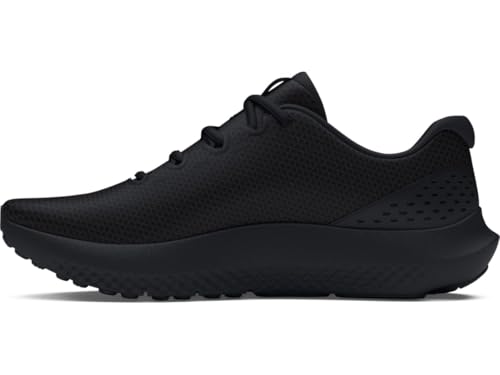
For runners seeking a reliable companion during marathon training, the Under Armour Men’s Charged Surge 4 Sneaker stands out with its breathable mesh upper and supportive synthetic overlays. You’ll appreciate the enhanced cushioning around the ankle collar, providing superior comfort during long runs. The Deluxe Comfort System sockliner molds to your foot, ensuring a personalized fit. With Charged Cushioning® in the midsole, you get responsive and durable support, perfect for those extended distances. Plus, the durable rubber outsole offers excellent traction and flexibility for a smooth toe-off. This sneaker combines breathability, comfort, and durability, making it ideal for all-day wear.
Best For: Runners looking for a comfortable and supportive sneaker for marathon training and all-day wear.
Pros:
- Enhanced cushioning around the ankle collar for superior comfort.
- Charged Cushioning® midsole provides responsive support and durability.
- Breathable mesh upper with synthetic overlays ensures structure and support.
Cons:
- May require a break-in period for optimal comfort.
- Limited color options available.
- Not specifically designed for extreme weather conditions.
Factors to Consider When Choosing Road Running Shoes for Marathon Training
When you’re choosing road running shoes for marathon training, there are several key factors to keep in mind. You’ll want to evaluate cushioning technology, fit, weight, traction, and breathability to guarantee you get the best performance and comfort. Each of these elements plays an essential role in supporting your training and helping you reach your goals.
Cushioning Technology Importance
Choosing the right cushioning technology is essential for marathon training, as it directly affects your comfort and performance. Effective cushioning provides shock absorption during long runs, minimizing impact on your joints and reducing injury risk. Advanced systems using lightweight foam enhance energy return, making your run feel more responsive and efficient. The right level of cushioning allows you to train longer while recovering faster between workouts. You’ll find various cushioning types with different densities, catering to your personal preferences for softness or firmness, which can greatly impact your running experience. Additionally, proper cushioning contributes to stability and support, helping maintain foot alignment and reducing fatigue during those demanding marathon sessions. Choose wisely to boost your training outcomes!
Fit and Comfort
Proper fit and comfort are key components in selecting road running shoes for marathon training. A proper fit is essential; shoes that are too tight or too loose can lead to blisters and discomfort during long distances. Look for adequate cushioning, as this greatly impacts your comfort and reduces fatigue during extended runs. Make sure the toe box allows for some wiggle room to accommodate foot swelling that occurs during long runs. It’s also wise to try on shoes at the end of the day when your feet are largest, ensuring a better fit. Remember, a well-fitting shoe can make all the difference in your marathon performance and overall enjoyment of training.
Weight of Shoe
Although many factors influence your choice of road running shoes for marathon training, the weight of the shoe plays an essential role in your performance. Lighter shoes, typically weighing between 8 to 12 ounces, can enhance your speed and agility, especially during long-distance runs. Competitive runners often lean towards these lighter options to maximize their pace. However, heavier shoes offer more cushioning and support, which can be beneficial for longer training sessions, particularly if you have specific comfort needs. It’s vital to find a balance between weight and cushioning to prevent fatigue and discomfort on extended runs. Ultimately, consider your running style and personal preferences; some may favor the feel of lighter shoes, while others might prioritize stability in heavier options.
Traction and Stability
When you hit the pavement for marathon training, traction and stability become essential for your performance and safety. Good traction helps you maintain grip on various surfaces, reducing the risk of slips and falls during your runs. Look for shoes with reliable rubber outsoles, as they often provide better grip in wet or uneven conditions. Stability features are important too; they help prevent overpronation or supination, allowing for a balanced stride. A well-designed shoe should offer support without sacrificing flexibility, letting your foot move naturally while still being secure. By prioritizing proper traction and stability, you can enhance your performance and reduce fatigue during those long training sessions, making them key factors when choosing your marathon shoes.
Breathability and Ventilation
Breathability is a game-changer in marathon training shoes, keeping your feet cool and comfortable on long runs. When you choose shoes with a well-ventilated upper, you’re ensuring better air circulation, which regulates foot temperature and moisture. This can greatly reduce the risk of blisters and discomfort during those lengthy sessions. Look for materials like mesh and specialized synthetics designed to wick away sweat effectively. Shoes that excel in breathability not only help prevent heat and moisture buildup but also contribute to a fresher feel over extended distances. Plus, proper ventilation can lighten the shoe’s overall weight, giving you a more agile running experience. Prioritize breathability to enhance your marathon training and performance.
Durability for Distance
Choosing the right running shoes for marathon training goes beyond breathability; durability plays a key role in your performance. Your shoes need to withstand the repetitive impacts of long-distance running across various terrains. Look for quality materials, like high-abrasion rubber in the outsole, which can greatly extend the shoe’s lifespan. A well-constructed upper made from breathable yet durable mesh will resist wear and tear while keeping you comfortable. Pay attention to cushioning technologies that enhance impact absorption, as they not only improve comfort but also reduce stress on your shoes. Regularly inspect your shoes for signs of wear, such as outsole tread loss or midsole compression, to know when it’s time to replace them and avoid injuries during your training.
Support for Foot Type
Understanding your foot type is vital for selecting the right road running shoes for marathon training, as it directly impacts your comfort and performance. If you’re a neutral runner, look for shoes that offer moderate cushioning and stability to maintain balance without restricting movement. For overpronators, it’s important to choose shoes with extra support to counteract excessive inward rolling, helping to reduce injury risk. Conversely, underpronators need footwear with more cushioning to absorb shock and enhance flexibility, as their feet don’t roll in enough. To guarantee you select the best option for your unique needs, consider consulting a specialist for a gait analysis. This can guide you in finding shoes that perfectly accommodate your foot type and support requirements.
Versatility for Training
Once you’ve identified your foot type and the support you need, it’s time to focus on versatility for training. Look for cushioning technology that adapts to various intensities and surfaces, ensuring comfort during long runs. A breathable upper design enhances airflow and moisture management, keeping your feet comfortable in different weather conditions. Balance support and stability to accommodate your running style, essential for the demands of marathon training. Choose durable outsoles that provide traction and flexibility, promoting a natural stride across diverse terrains. Finally, opt for a lightweight shoe that supports speed work while still offering enough cushioning for recovery runs, ensuring you’re well-prepared for every aspect of your marathon training regimen.
