
Running knee pain can turn easy miles into a struggle, especially if your shoes are missing the right support. The right insole can help soften impact, improve alignment, and make runs feel more comfortable.
Below, you’ll find a focused roundup of the best options for different foot types, running styles, and support needs so you can choose the right pair with less guesswork.
Best 10 Running Insoles for Knee Pain Picks for 2026
Knee Pain Relief Orthotic
Dr. Scholl’s Knee All-Day Pain Relief Orthotics

- Targets runner’s knee, osteoarthritis, and general knee pain
- Absorbs shock to reduce strain traveling up the leg
- Trim-to-fit for men’s shoe sizes 8-14
Best For: Runners seeking a knee-focused orthotic for all-day relief
Performance Cushioning Insole
SOF SOLE ATHLETE Men’s Insoles
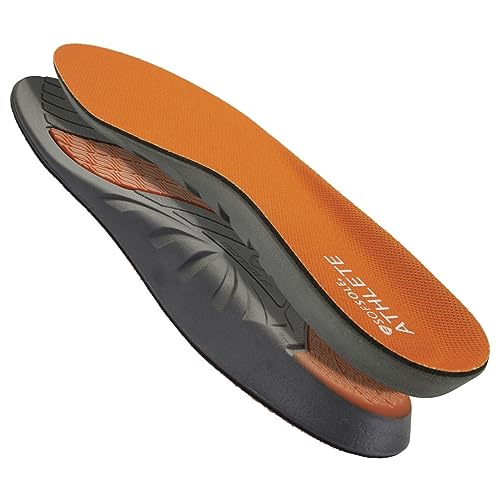
- Gel heel and forefoot absorb impact on each stride
- Foam cushioning adds heel-to-toe comfort
- Moisture control and ventilation help feet stay fresh
Best For: Athletes wanting lightweight cushioning and stability
Prevent-Then-Relieve Support
Dr. Scholl’s Prevent Pain Protective Insoles

- Tri-Protect System aims to prevent lower-body pain
- Cushioning and shock absorption help spread pressure
- Trim-to-fit for men’s shoe sizes 8-14
Best For: Men seeking preventative support for foot, knee, and back pain
Runner’s Knee Sport Insole

- Gel cushioning and TPE arch support improve stability
- Aims to reduce runner’s knee and other running injuries
- Non-slip heel pad helps the insert stay put
Best For: Runners wanting shock absorption and a stable sport insole
Runner-Friendly Cushioning
Dr. Scholl's Run Active Comfort Insoles

- Helps reduce shock for running impact
- Aims to relieve runner’s knee and shin splints
- Trim-to-fit comfort with odor control
Best For: Runners wanting cushioned, everyday support for impact relief
Performance Arch Support

- Flexible support with shock-absorbing cushioning
- Deep heel cup improves stability and fit
- Breathable mesh and PORON foam manage moisture
Best For: Runners seeking a performance insole with arch support and stability
Motion-Control Knee Support

- Semi-rigid support with medium arch control
- Helps reduce over-pronation linked to runner’s knee
- Breathable trim-to-fit design
Best For: Runners needing firmer motion control for knee comfort
Motion-Control Support for Runners
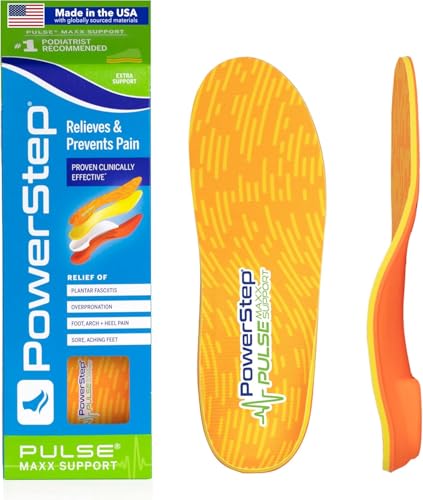
- Rigid shell and angled heel for alignment
- Dual-layer cushioning for impact absorption
- Sized-to-fit design with no trimming
Best For: Overpronators seeking structured support for knee-related running discomfort
Sized-to-Fit Shock Reduction
Dr. Scholl's Performance Running Insoles
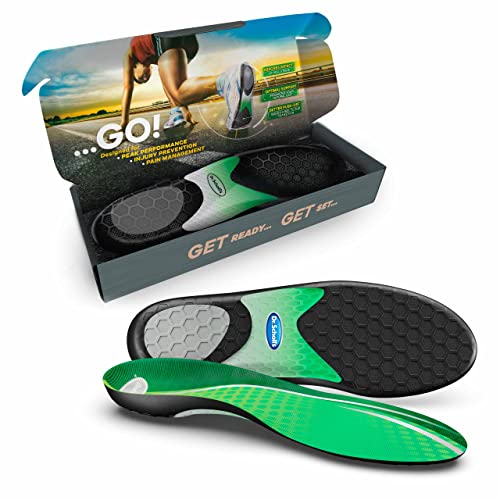
- Claims 40% shock reduction with ActivPerform
- Size-specific arch support and motion control
- Dual-layer cushioning plus metatarsal padding
Best For: Runners wanting sized inserts with strong impact reduction
All-Purpose Sport Cushioning

- Superior shock absorption for lower-body comfort
- Flexible side-to-side support for movement
- Made for multiple sports and athletic use
Best For: Women wanting a versatile sport insole for running and cross-training
Knee Pain Relief Orthotic – Dr. Scholl’s Knee All-Day Pain Relief Orthotics
If you want running insoles for knee pain that are built specifically around knee support, these Dr. Scholl’s orthotics are aimed at immediate and all-day relief. They’re designed to help with runner’s knee pain, osteoarthritis pain, and general knee pain by absorbing shock at the source and reducing the strain that can travel up the leg.
Best For: Runners or walkers who want a knee-focused orthotic with all-day shock protection.
Pros:
- Targets the top sources of knee pain, including runner’s knee and osteoarthritis.
- Designed to protect knee cartilage and meniscus from shock and strain.
- Trim-to-fit size works with men’s shoe sizes 8-14 and many shoe types.
- Anti-slip, supportive orthotic design for everyday wear.
Cons:
- Made for men’s sizes 8-14 only.
- Low-arch design may not suit everyone.
- Focused more on knee relief than soft cushioning.
This is a strong choice if your main goal is knee pain management rather than a general comfort insole. The design is purpose-built to reduce impact and support long wear, making it a practical pick for daily use in sneakers and similar shoes.
Performance Cushioning Insole – SOF SOLE ATHLETE Men’s Insoles
These running insoles for knee pain focus on cushioning and impact control rather than a knee-specific medical design. With gel in the heel and forefoot plus foam heel-to-toe cushioning, they’re meant to soften each foot strike and support joints during running, walking, and other athletic activity.
Best For: Athletes who want lightweight cushioning, moisture control, and a neutral-arch fit.
Pros:
- Gel in the heel and forefoot helps absorb impact with each step.
- Foam cushioning supports comfort through the full length of the foot.
- Hydrologix moisture control helps keep feet dry and reduce blisters.
- Neutral arch and heel cup make it broadly usable for athletic shoes.
Cons:
- Not designed specifically for knee pain relief.
- Neutral arch support may not provide enough correction for some users.
- Best suited to athletic footwear rather than all shoe types.
If you want a performance insole that prioritizes shock absorption, this is a well-rounded option. It’s a better fit for people who need comfort and stability during activity, with knee relief coming indirectly through better impact management.
Prevent-Then-Relieve Support – Dr. Scholl’s Prevent Pain Protective Insoles
For shoppers comparing running insoles for knee pain, this Dr. Scholl’s pair stands out because it’s built to help prevent lower-body pain before it starts. The Tri-Protect System combines cushioning, shock absorption, and flexible arch support to reduce the muscle-induced stiffness and strain that can lead to knee, lower back, and foot discomfort.
Best For: Men who want preventative lower-body pain protection with flexible arch support.
Pros:
- Tri-Protect System is designed to stop pain before it occurs.
- Full-foot cushioning and shock absorption help distribute pressure evenly.
- Shock-absorbing heel adds another layer of lower-body protection.
- Trim-to-fit design works for men’s sizes 8-14.
Cons:
- Made for men’s shoe sizes 8-14 only.
- Low-arch design may not fit all foot types well.
- More focused on prevention than immediate pain relief.
This is a smart pick if you want a more proactive insole rather than one built only for cushioning. It combines support and shock management in a way that makes sense for regular training, walking, or all-day wear.
Runner’s Knee Sport Insole – CRUVHEAL Running Insoles
These running insoles for knee pain are built for athletic use, with gel cushioning, a TPE arch support, and a U-shaped heel design intended to improve stability and absorb shock. They’re positioned as a sport insole for reducing discomfort and lowering the risk of common running injuries like runner’s knee, shin splints, and plantar fasciitis.
Best For: Runners and active users who want a trim-to-fit sport insole with shock-absorbing gel.
Pros:
- Designed to reduce common running injuries, including runner’s knee.
- Gel cushioning helps absorb shock during sport and daily wear.
- U-shaped heel and TPE arch support add stability.
- Non-slip gel heel pad helps keep the insert in place.
Cons:
- Medium-arch design may not suit every foot shape.
- Requires an adjustment period of 3-7 days.
- Size is limited to the listed M range.
This is a practical athletic option if you want a sport-focused insert that addresses impact and stability together. It’s especially appealing for runners who like a more structured feel and don’t mind a short break-in period.
Runner-Friendly Cushioning – Dr. Scholl's Run Active Comfort Insoles
If you’re shopping for running insoles for knee pain, this Dr. Scholl’s pair is built around shock reduction and a heel-to-toe support design. The cushioning is aimed at common running issues like runner’s knee and shin splints, while the reinforced arch support helps smooth weight transfer from landing to push-off.
Best For: Runners who want a trim-to-fit comfort insole with shock absorption and broad support for common overuse pain.
Pros:
- Designed to help relieve and prevent runner’s knee and shin splints
- Supportive cushioning reduces shock during each stride
- Reinforced arch support helps improve weight transition
- Polygiene StayFresh technology helps control odors
Cons:
- Low-arch design may not suit every foot type
- Comfort-focused build may feel less structured than motion-control options
- Trim-to-fit setup may take a little time to dial in
Overall, this is a practical pick if your priority is reducing impact and keeping your feet comfortable longer. It’s a straightforward option for runners who want everyday cushioning with specific attention to common sports-related pain.
Performance Arch Support – CURREX RunPro Insoles
For shoppers comparing running insoles for knee pain, the CURREX RunPro focuses on flexible support, shock-absorbing cushioning, and motion efficiency. Its deep heel cup and 3D Dynamic Arch Technology are designed to improve stability, reduce pressure, and support a better stride across different running surfaces.
Best For: Runners who want a performance-oriented insole with arch support, breathability, and a secure heel fit.
Pros:
- Flexible support and cushioning help reduce fatigue
- 3D Dynamic Arch Technology comes in low, medium, and high profiles
- Deep decoupled heel cup helps lock the heel in place
- Mesh top layer and PORON foam help manage moisture and breathability
Cons:
- Medium-arch sizing may not be the right fit for every foot
- Performance design may feel more structured than basic comfort insoles
- Recommended replacement interval of 500+ miles or 12 months adds upkeep
This is a strong choice if you want more than soft cushioning and prefer a running insole that emphasizes fit, stability, and energy return. It’s especially appealing for runners who want a trim-to-fit option with breathable materials.
Motion-Control Knee Support – Spenco Knee Support Insole
If you need running insoles for knee pain, this Spenco model is built around motion control and medium arch support. The semi-rigid stability cradle, deep heel cupping, and over-pronation support are aimed at reducing the motion patterns often linked to runner’s knee and other common injuries.
Best For: Runners who want semi-rigid support and motion control to help improve knee comfort.
Pros:
- Semi-rigid stability cradle provides medium arch support
- Deep heel cupping helps improve comfort through the stride
- Motion control is designed to reduce over-pronation and supination
- Forefoot perforations increase airflow for better breathability
Cons:
- Semi-rigid support may feel firm for runners who prefer soft cushioning
- Medium-arch build may not match every foot shape
- Trim-to-fit sizing may require a careful fit check
This insole makes the most sense if your main goal is support and alignment rather than plush comfort. For runners looking to address knee discomfort with a more controlling platform, it offers a focused, practical build.
Motion-Control Support for Runners – PowerStep PULSE Maxx
If you want running insoles for knee pain that focus on alignment as well as cushioning, the PowerStep PULSE Maxx is built for that job. It uses a more rigid shell, an angled heel, and dual-layer cushioning to help control overpronation and absorb impact, which can reduce stress on the feet, ankles, joints, and tendons during higher-intensity runs.
Best For: Runners who overpronate and want more corrective support, especially if knee discomfort is tied to alignment and impact.
Pros:
- More rigid shell and angled heel help with motion control and alignment
- Dual-layer cushioning is designed to absorb shock at impact
- Made for advanced running shoes and high-activity use
- Sized-to-fit design means no trimming required
Cons:
- More supportive design may require a transition period for first-time orthotic users
- Only available in specific shoe sizes
- Support level may feel firm if you prefer a softer insole
Overall, this is the most corrective option in the group, so it makes sense for runners who want a structured insole that addresses overpronation while also aiming to reduce lower-body strain. It’s a practical pick if you need stability more than plush comfort.
Sized-to-Fit Shock Reduction – Dr. Scholl's Performance Running Insoles
Among running insoles for knee pain, this Dr. Scholl’s Performance option stands out for its simple sizing and shock-reduction focus. The ActivPerform Technology is designed to reduce shock impact by 40%, while the size-specific arch support and dual-layer cushioning aim to improve motion control, energy return, and pressure distribution through the stride.
Best For: Runners who want a ready-to-wear insole with targeted shock absorption and size-specific support.
Pros:
- ActivPerform Technology claims to reduce shock impact by 40%
- Size-specific arch support helps promote natural gait and motion control
- Dual-layer cushioning distributes pressure from heel to toe
- Metatarsal support padding helps reduce hot spots and numbness
Cons:
- Low-arch design may not suit every foot type
- Only offered in a specific size range
- Best fit is limited to shoes where a sized insert works well
This is a sensible choice if you want a straightforward running insole with a clear emphasis on impact reduction and fit. It’s especially appealing for runners who prefer a sized insert instead of a trim-to-fit product.
All-Purpose Sport Cushioning – Dr. Scholl’s Sport Insoles
If you’re comparing running insoles for knee pain and want a versatile athletic option, Dr. Scholl’s Sport Insoles are built around shock absorption and lower-body support. They’re designed for multiple sports, with flexible side-to-side support and cushioning that helps protect the feet, knees, and lower back from shock during activity.
Best For: Women who want a general-purpose sport insole for running and other athletic activities.
Pros:
- Superior shock absorption helps reduce impact during activity
- Flexible side-to-side support suits multidirectional movement
- Designed to help protect feet, knees, and lower back from shock
- Works across multiple sports and fitness activities
Cons:
- Low-arch support may not be ideal for everyone
- Only listed in women’s sizing for this version
- Less specialized than a running-specific corrective orthotic
This is a practical pick if you want one insole that can handle more than just running. It offers a balanced mix of cushioning and support, though it’s more of an all-purpose sport insole than a highly corrective running insert.
How We Picked These Running Insoles for Knee Pain
We prioritized support features that matter most for runners: shock absorption, arch structure, stability, trim-to-fit sizing, and comfort over longer distances. We also looked for models suited to different needs, from lighter cushioning to firmer corrective support.
Because Running Insoles for Knee Pain are not one-size-fits-all, we favored options that can help address common contributors such as overpronation, poor load distribution, and repetitive impact.
Quick Comparison
Choose softer, more cushioned insoles if your knees hurt most from impact and hard surfaces. Choose firmer, more structured insoles if you need alignment help, stronger arch support, or extra control during runs. Moderate-support insoles are often the safest starting point for mixed-use runners.
Key Buying Factors for Running Insoles for Knee Pain
Cushioning Vs. Control
More cushioning can reduce felt impact, but too much softness may feel unstable for some runners. If your knees track inward or you overpronate, a structured insole may help more than a plush one.
Arch Support and Foot Type
Flat feet, medium arches, and high arches all load the lower body differently. The best Running Insoles for Knee Pain should match your arch shape closely enough to support your stride without creating pressure points.
Fit, Volume, and Shoe Compatibility
Check whether the insole is trim-to-fit, sized specifically, or designed for low- versus high-volume shoes. A poor fit can cause slipping, crowding, or altered biomechanics that work against comfort.
Running Distance and Use Case
If you run short, easy miles, a comfort-focused insole may be enough. For longer training runs or frequent weekly mileage, look for better energy return, moisture control, and durability.
Who Should Buy Which Running Insoles for Knee Pain?
Runners who want maximum cushioning should lean toward softer, shock-absorbing models. Runners who suspect alignment issues, overpronation, or recurring knee stress should look for firmer support and corrective geometry. If you want one pair for training and everyday wear, choose a balanced option that blends comfort, arch support, and durability.
For the best results, pair your insoles with shoes that already fit well and still have usable midsole cushioning. Insoles can improve comfort, but they work best as part of a good overall running setup.
