
Forefoot pain can turn easy runs into a struggle, especially when every step feels sharp under the ball of the foot. The right insole can help spread pressure, improve support, and make running feel more manageable.
Our roundup of running insoles for metatarsalgia focuses on comfort, stability, shock absorption, and fit so you can narrow down the options faster and choose with confidence.
Best 10 Running Insoles for Metatarsalgia Picks for 2026
Metatarsal Relief Running Pick
Metatarsal Insoles for Morton's Neuroma Relief

- Built-in metatarsal pad targets ball-of-foot pressure.
- Cushioned forefoot and heel help absorb impact.
- Trim-to-fit design works in sneakers, boots, and casual shoes.
Best For: Runners needing direct metatarsal pressure relief and soft impact protection.
Running-Orthotic Pick
PowerStep Pulse Plus Met Ball of Foot Pain Relief Shoe Insoles

- Full-length support is built for heel-to-toe comfort.
- Met pad targets ball-of-foot pain and Morton's neuroma discomfort.
- Odor-control top fabric helps reduce heat, friction, and perspiration.
Best For: Runners wanting full-length orthotic support with metatarsal pain relief.
Performance Carbon Option
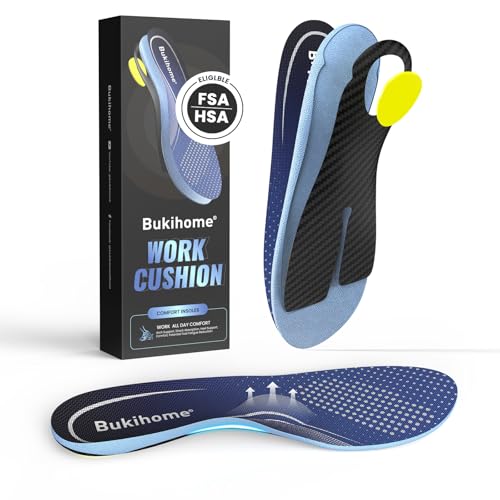
- Carbon fiber plate is built for energy return and stability.
- Metatarsal pads target metatarsalgia and Morton's neuroma.
- Lightweight, breathable design suits running and hiking.
Best For: Athletes wanting a firmer performance insole with metatarsal support.
Forefoot Relief Orthotic

- Built-in metatarsal pads add targeted forefoot cushioning.
- Neutral arch support and deep heel cradle improve stability.
- Dual-layer foam supports running, walking, and standing.
Best For: Standard-arch users needing targeted ball-of-foot relief
High-Arch Support Insole

- High arch support targets metatarsalgia, pronation, and flat feet.
- TPU heel and gel/PU forefoot provide moderate support.
- Breathable, trim-to-fit design works in multiple shoe types.
Best For: High-arch wearers wanting structured support for running and daily use
Cushioned Metatarsal Support
Deepballfeet Metatarsalgia Insoles

- Built-in metatarsal cushioning reduces forefoot pressure.
- Dual GEL forefoot and heel pads add shock absorption.
- Breathable PU foam design suits roomy shoes and all-day wear.
Best For: Metatarsalgia sufferers who need cushioned support in wider shoes
Heavy-Duty Arch Support Pick
Ultra Arch Support Foam Cushion Insoles for Metatarsalgia Relief

- High arch support with metatarsal pad
- Very high shock absorption for impact
- Biostatic topper helps reduce odor and blisters
Best For: Heavy-impact runners, gym users, and workers needing firm support
Balanced Running Comfort Pick
Welnove Running Insoles with Metatarsal Pad

- Metatarsal cushion targets ball-of-foot pain
- Gel forefoot and non-slip base for activity
- Breathable, moisture-wicking comfort layers
Best For: Runners wanting cushioned relief with flexible arch support
Metatarsal Relief Running Pick – Metatarsal Insoles for Morton's Neuroma Relief
If you want running insoles for metatarsalgia that focus directly on forefoot pressure, this option uses a built-in metatarsal pad and cushioned construction to help ease ball-of-foot discomfort. It is aimed at sports, running, and long days on your feet, while still keeping the fit simple with trim-to-fit sizing.
Best For: Runners and active users who want targeted metatarsal support plus all-day cushioning.
Pros:
- Built-in metatarsal pad helps relieve pressure on the ball of the foot.
- High-density padding in the forefoot and heel adds shock absorption for training or standing.
- Dynamic cushioning is designed to respond during quick cuts, jumps, and lateral drills.
- Heel cup and trim lines help create a more customized fit in sneakers or boots.
Cons:
- Low-arch design may not suit people who prefer firmer arch contouring.
- Single-count packaging means you will need two if replacing both shoes.
This is a practical choice if your main concern is metatarsalgia relief without giving up athletic cushioning. It looks especially useful for runners who also want support for daily walking and work-shift wear.
Supportive Stability Choice – Spenco Total Support Max Shoe Insoles
For shoppers comparing running insoles for metatarsalgia, this model stands out with a firm support platform, a deep heel cup, and a metatarsal pad that helps reduce pressure on the ball of the foot. It is built more like a stability insole than a soft cushion, which makes it a strong option for long wear, walking, and over-pronation control.
Best For: People who want structured arch support with added forefoot pressure relief.
Pros:
- Firm contoured arch support is designed for high arches and long hours on your feet.
- Metatarsal pad and deep heel cup help support forefoot comfort and foot centering.
- Multi-density construction adds shock absorption while helping slow overpronation.
- Ventilation channels, perforations, and antimicrobial treatment support breathability and freshness.
Cons:
- Firm support may feel too structured for users who prefer softer inserts.
- Best fit is geared toward the listed size range, so trimming options are limited.
This is a solid pick if you want metatarsal relief plus real stability features rather than just padding. Its APMA acceptance and size-specific fit add confidence for buyers looking for a more orthopedic-style insole.
Running-Orthotic Pick – PowerStep Pulse Plus Met Ball of Foot Pain Relief Shoe Insoles
If you are shopping for running insoles for metatarsalgia, this full-length option is built around a met pad that helps ease ball-of-foot pain while keeping the profile supportive and athletic. The odor-control top fabric is also meant to reduce heat, friction, and perspiration, which matters on longer runs or training sessions.
Best For: Runners who want full-length support with targeted ball-of-foot pain relief.
Pros:
- Full-length, total-contact design supports the foot from heel to toe.
- Metatarsal pad is intended to help relieve metatarsal foot pain and Morton’s neuroma discomfort.
- Odor-control top fabric helps reduce heat, friction, and perspiration.
- Works across high-, medium-, and low-arch feet, giving it broad fit flexibility.
Cons:
- Size range is limited to the listed small range.
- Best suited to sneakers, so it may not be the top choice for every shoe type.
This model makes sense if you want a running-friendly insole that focuses on both support and forefoot pain relief. The combination of total-contact structure and met pad support gives it a balanced feel for training and everyday use.
Performance Carbon Option – Bukihome Carbon Fiber Insole
Among running insoles for metatarsalgia, this carbon-fiber design takes a different approach by combining metatarsal support with a rigid performance plate. It is aimed at activity-first users who want support for Morton’s neuroma and metatarsalgia, plus a lightweight structure for running, hiking, and other high-impact movement.
Best For: Active users who want a lightweight, durable insole with a performance feel.
Pros:
- Carbon fiber plate is designed to deliver high energy return during running and sports.
- Metatarsal pads provide targeted support for metatarsalgia and Morton’s neuroma.
- Lightweight build is paired with breathable materials for longer wear comfort.
- Carbon support structure aims to improve stability, gait, and power transfer.
Cons:
- Rigid carbon construction may feel less cushioned than foam or gel alternatives.
- Performance-focused feel may not suit buyers seeking a soft everyday insole.
This is a strong option if you want support that leans more athletic than plush. The tradeoff is that the carbon plate prioritizes efficiency and durability, so it is best for users who like a firmer, more responsive ride.
Forefoot Relief Orthotic – PowerStep Pinnacle Plus Met
If you need running insoles for metatarsalgia with focused forefoot cushioning, the PowerStep Pinnacle Plus Met is built around a built-in metatarsal pad and neutral arch support. It’s designed for shoes with removable factory insoles, and the dual-layer foam aims to add comfort and shock absorption from heel to toe.
Best For: Runners and walkers with standard arches who want targeted ball-of-foot relief in removable-insole shoes.
Pros:
- Built-in metatarsal pads target pressure under the forefoot.
- Neutral arch support and deep heel cradle add stability and motion control.
- Dual-layer cushioning helps with comfort and shock absorption for running, walking, and all-day standing.
- Made in the USA and HSA/FSA eligible.
Cons:
- Recommended break-in period may take up to two weeks.
- Best suited to shoes where the factory insole can be removed.
- Designed for standard arches, so it may not be ideal for every foot shape.
Overall, this is a practical option if your main issue is metatarsalgia at the ball of the foot and you want a firmer support feel rather than a soft insert. The targeted pad plus structured arch design makes it a strong everyday choice for active wear.
High-Arch Support Insole – Crinova Gel Running Insoles
For shoppers looking for running insoles for metatarsalgia with a stronger support profile, these Crinova inserts combine high arch support with semi-rigid heel support and a flexible forefoot. They’re positioned as a pain-relief option for flat feet, pronation, and metatarsalgia, while still being trim-to-fit for a better shoe match.
Best For: Men and women who want high-arch support in running shoes, work shoes, or boots and need a trim-to-fit design.
Pros:
- High arch design is meant to address metatarsalgia, pronation, and other alignment issues.
- Semi-rigid TPU heel pads plus PU foam and gel forefoot offer moderate support.
- Breathable construction is intended to help keep feet dry and comfortable during long wear.
- Trim-to-fit sizing makes it easier to adapt to different shoes.
Cons:
- High-arch structure may not suit lower or neutral arches.
- Bulkier support design may feel less ideal in very thin shoes.
- Requires trimming for the best fit in many shoes.
These insoles make sense if you want more structured support alongside metatarsalgia relief, especially for daily walking or running use. The tradeoff is that the firm high-arch build is more specialized than a soft, general-purpose insert.
Cushioned Metatarsal Support – Deepballfeet Metatarsalgia Insoles
If your priority is running insoles for metatarsalgia with direct forefoot cushioning, these Deepballfeet support insoles focus on built-in metatarsal relief and dual GEL shock absorption. They’re designed to spread pressure across the foot, reduce ball-of-foot pain, and add stability for standing or moving all day.
Best For: People with metatarsalgia or Morton’s neuroma who want cushioned support in roomy shoes.
Pros:
- Built-in metatarsal cushioning is aimed at relieving forefoot pressure.
- Dual GEL cushions in the forefoot and heel add targeted shock absorption.
- PU foam and breathable fabric help reduce fatigue and keep feet cooler.
- Suitable for wide work boots, sports shoes, and casual shoes with extra room.
Cons:
- Slightly thicker than regular insoles, so fit can be tight in narrow shoes.
- Best suited to roomy or wide footwear.
- May feel more supportive than minimal or low-profile inserts.
This is a solid choice if you want a more cushioned, metatarsal-focused insole rather than a simple arch insert. The combination of forefoot support and gel padding makes it especially relevant for long days on your feet.
Heavy-Duty Arch Support Pick – Ultra Arch Support Foam Cushion Insoles for Metatarsalgia Relief
If you want running insoles for metatarsalgia that can also handle hard training or long shifts, this model is built for heavy impact use. The high arch support, metatarsal pad, and very high shock absorption are aimed at reducing forefoot stress while improving overall foot support.
Best For: Runners, gym users, and workers who need firm arch support and strong shock absorption for metatarsalgia and related foot pain.
Pros:
- Metatarsal pad is designed to help relieve metatarsalgia and Morton’s neuroma pressure.
- Very high shock absorption suits heavy-impact activities, athletic use, and work environments.
- Biostatic topper is made to help reduce blisters, keep feet cooler and drier, and limit odor growth.
- Deep heel cup adds stability and helps keep the foot planted.
Cons:
- High arch and firm support may feel too aggressive for wearers who prefer softer insoles.
- Designed as a heavy-duty orthotic, so it may be more support than casual users need.
This is a strong option if your priority is support first and cushioning second. It leans toward demanding use, making it a practical pick for active users who need structured relief for forefoot pain.
Balanced Running Comfort Pick – Welnove Running Insoles with Metatarsal Pad
These running insoles for metatarsalgia focus on targeted forefoot relief with a more comfort-driven feel. The built-in metatarsal cushion, medium arch support, and gel forefoot design are meant to absorb impact during running, walking, and other daily activity.
Best For: Runners and everyday wearers who want cushioned metatarsalgia relief with flexible arch support.
Pros:
- Built-in metatarsal cushion helps reduce ball-of-foot pressure and absorb shock.
- Gel forefoot cushion and non-slip base are designed for sports and daily use.
- Multi-density foam modules adapt to the arch contour for flatter or higher arches.
- Moisture-wicking fabric and ventilation features help keep feet dry and fresh.
Cons:
- Medium arch support may not be enough for users who need very firm orthotic control.
- Best fit is listed for a specific medium size, so sizing needs attention.
This is a versatile choice if you want a running-friendly insole that blends cushioning, breathability, and targeted forefoot support. It looks especially useful for people who need relief without an overly rigid feel.
Heavy-Duty Stability Pick – Trustfeet Metatarsal Pain Relief Insoles
For running insoles for metatarsalgia that emphasize stability and load-bearing support, this pair is built for heavy-duty use. The high arch, U-shaped heel design, and double-layer cushioning are intended to support heavier users and reduce pressure during running, standing, and walking.
Best For: Heavier users and anyone who wants firm, stable support for metatarsalgia and all-day wear.
Pros:
- Rated for up to 300 pounds, with heavy-duty arch support and shock absorption.
- Metatarsal pain relief design targets metatarsalgia, Morton’s neuroma, and ball-of-foot pain.
- U-shaped heel adds stability and helps reduce the risk of instability-related injuries.
- Durable EVA base and shock-absorbing foam provide long-lasting cushioning.
Cons:
- High arch and wide design may feel bulky in some standard shoes.
- Moderate control may not satisfy users seeking very aggressive correction.
This is a sensible pick if you want durable, supportive running insoles for metatarsalgia that also work well for standing or walking. It is especially appealing when stability, cushioning, and a heavier-duty build matter most.
How We Picked the Best Running Insoles for Metatarsalgia
We looked for insoles that address the main issues runners face with metatarsalgia: forefoot pressure, impact shock, and inconsistent support. Priority went to designs with a metatarsal pad or forefoot relief zone, enough cushioning for repetitive impact, and a shape that works in running shoes without creating excessive bulk.
We also considered support level, trim-to-fit versatility, and whether the insole looked suitable for different foot types. The best Running Insoles for Metatarsalgia should reduce irritation without making the shoe feel unstable or cramped.
Quick Comparison: What Matters Most
If you want softer landings, look for more cushioning and shock absorption. If your pain centers directly under the ball of the foot, a defined metatarsal pad may help more than simple foam alone. Runners with flat feet or overpronation often do better with added arch support, while heavier runners may prefer firmer, more durable construction.
Key Buying Factors for Running Insoles for Metatarsalgia
Metatarsal Support Placement
Support should sit just behind the painful area, not directly under it. Poor placement can feel awkward or even increase pressure.
Cushioning Vs. Control
Soft cushioning helps absorb impact, but too much squish can reduce stability. The right balance depends on your stride, shoe type, and how much support you need.
Arch Profile
Arch support can improve alignment and reduce stress on the forefoot, especially if your pain is linked to flat feet or excess pronation. High arches may need a different level of contour.
Fit and Shoe Compatibility
Make sure the insole fits your running shoes without crowding the toe box. If the insert is too thick, it can change the fit and create new pressure points.
Durability and Use Case
Some Running Insoles for Metatarsalgia are better for daily training, while others are more suitable for walking, standing, or occasional runs. Match the insole to your routine so you get the support you need over time.
Who Should Buy Which Running Insoles for Metatarsalgia?
Choose a metatarsal-padded option if your pain is concentrated in the forefoot or you have Morton’s neuroma symptoms. Pick a cushier, more forgiving design if impact is your biggest issue. If you need stronger structural support, look for firmer orthotic-style insoles with a stable arch and a deeper heel cup.
If you are unsure, start with a moderate-support model that balances cushioning and control. That middle ground is often the safest bet for runners trying to ease metatarsalgia without giving up comfort or performance.
