
Cobblestone streets can turn an easy run into a careful one. Uneven stones, gaps, and slick patches make secure footing and a comfortable fit especially important.
These 10 options span trail shoes and cushioned running styles. The right choice depends on whether your route is mostly pavement, rough stone, or a mix of both.
Best 10 Running Shoes for Cobblestone Streets Picks for 2026
Women's Grip Pick
NORTIV 8 Breathable Trail Running Shoes

- 4 mm lugs on a full rubber outsole
- Flexible EVA cushioning
- Protective TPU toe cap
Best For: Women mixing uneven city streets with trails
Natural-Feel Option
Joomra Whitin Men's Supportive Running Shoes

- Lower heel-to-toe drop
- Moderate foam cushioning
- Rubber outsole and adjustable laces
Best For: Men wanting a lower-drop everyday crossover shoe
Rugged-Terrain Pick

- Adaptive rock-shield protection
- DNA LOFT v3 cushioning
- TrailTack Green rubber outsole
Best For: Men combining cobbled routes with rugged trails
Moderate-Cushion Trail Pick
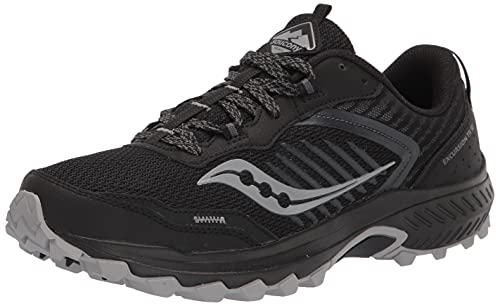
- Carbon-rubber traction lugs
- Moderate VERSARUN cushioning
- Supportive trail-mesh upper
Best For: Men alternating between cobbled streets and dirt paths
Cushioned Women's Trail Pick

- VERSARUN impact cushioning
- Rubber outsole for uneven terrain
- Not water resistant
Best For: Dry, uneven routes with cobbled sections
Wet-and-Dry Traction Pick

- TrailTack Green rubber with 3 mm lugs
- DNA LOFT v3 cushioning
- Adjustable midfoot and secure heel
Best For: Mixed uneven streets and rocky trails
Road-to-Trail Versatility
New Balance Dynasoft Nitrel V6

- AT Tread for on- and off-road use
- Responsive DynaSoft midsole
- Breathable mesh; not water resistant
Best For: Neutral runners mixing paved streets and trails
Breathable Trail Comfort

- Breathable updated mesh upper
- VERSARUN underfoot cushioning
- Grippy, durable rubber outsole
Best For: Breathable comfort on trail-oriented outings
Supportive Trail Fit
Saucony Versafoam Excursion TR13
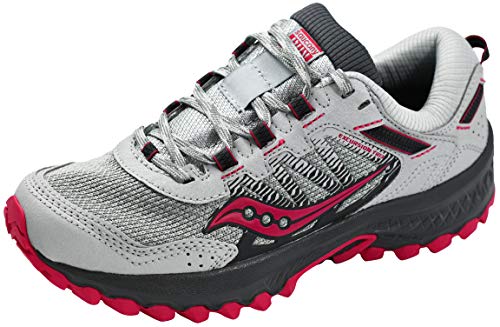
- Supportive, debris-blocking overlays
- Triangular-lugged rubber outsole
- Responsive VERSAFOAM cushioning
Best For: Neutral runners on uneven, trail-oriented routes
Women's Grip Pick – NORTIV 8 Breathable Trail Running Shoes
For women shopping for running shoes for cobblestone streets, this NORTIV 8 pair combines moderate EVA cushioning with a full rubber outsole and 4 mm traction lugs. The trail-focused design offers grip and protection for uneven routes, though the lugs may feel more prominent on smooth pavement.
Best For: Women who want one shoe for uneven city streets, trails, and casual outdoor wear.
Pros:
- Full rubber outsole with 4 mm lugs for traction on uneven surfaces.
- Flexible EVA midsole provides soft cushioning and responsive feel.
- Reinforced TPU toe cap adds protection against bumps.
- Breathable mesh upper helps keep feet comfortable during extended wear.
Cons:
- Not water resistant.
- Trail lugs may be more than you need for mostly smooth streets.
Choose these if grip and toe protection matter more to you than a pavement-specific outsole. The combination makes sense for cobbled walks that continue onto rougher paths.
Natural-Feel Option – Joomra Whitin Men's Supportive Running Shoes
These Joomra Whitin sneakers are an option among running shoes for cobblestone streets if you prefer a lower heel-to-toe drop and a less trail-aggressive design. A rubber outsole, moderately cushioned foam midsole, and lace-up knit upper cover the basics for everyday movement.
Best For: Men seeking a moderately cushioned, lower-drop shoe for walking and light running on mixed urban surfaces.
Pros:
- Rubber outsole is designed to provide reliable traction.
- Durable density-foam midsole offers lightweight response.
- Padded collar and laces allow an adjustable fit.
- Lower heel-to-toe drop supports a more natural running position.
Cons:
- Not water resistant.
- No dedicated rock shield or reinforced toe cap is listed for rougher ground.
This is the simpler crossover choice here: consider it for everyday cobbled routes, while looking to a more protective trail model if loose stones and debris are frequent.
Rugged-Terrain Pick – Brooks Men's Cascadia 19
Brooks Men’s Cascadia 19 Mountain Trail Running Shoe - Black/Black/Ebony - 10 Medium
Check Price On AmazonIf your search for running shoes for cobblestone streets includes rough paths beyond town, the Brooks Cascadia 19 brings trail-oriented stability and protection. Its Trail Adapt System pairs an articulated rock shield with DNA LOFT v3 cushioning, while the TrailTack Green outsole targets varied wet and dry terrain.
Best For: Men who regularly move between uneven cobbled streets and rugged trails.
Pros:
- Trail Adapt System and articulated rock shield provide adaptable underfoot protection.
- DNA LOFT v3 cushioning offers a soft, responsive ride.
- TrailTack Green rubber outsole is designed for traction on varied terrain.
- Reinforced toe cap, mudguard, and overlays add protection.
Cons:
- Not water resistant.
- Mountain-trail features may be more than needed for city-only use.
The Cascadia 19 is the protective choice when cobblestones are just one part of your route. Its trail-focused build is less compelling if you rarely leave paved streets.
Moderate-Cushion Trail Pick – Saucony Men's Excursion TR15
The Saucony Excursion TR15 is worth considering among running shoes for cobblestone streets when you also want a shoe for trail outings. Carbon-rubber outsole lugs offer rugged footing, while moderate VERSARUN cushioning keeps the underfoot feel from being overly minimal.
Best For: Men who want moderate cushioning and trail grip for routes that mix cobblestones with dirt paths.
Pros:
- Carbon-rubber lugs are built for traction on rugged ground.
- VERSARUN cushioning adds underfoot comfort.
- Trail-specific mesh and supportive overlays help hold the foot in place and keep out debris.
- Contains recycled materials.
Cons:
- Not water resistant.
- Rugged lugs may feel unnecessary for exclusively paved routes.
Pick the Excursion TR15 if you want a moderately cushioned trail shoe that can handle uneven urban stretches along the way. For pavement-only use, its lugged outsole is a trade-off to consider.
Versatile Road-to-Trail Pick – New Balance DynaSoft Nitrel V6
If your search for running shoes for cobblestone streets includes routes that continue onto dirt paths, the New Balance DynaSoft Nitrel V6 offers an AT Tread outsole designed for traction both on and off road. Its DynaSoft midsole and EVA insert add cushioning for uneven surfaces.
Best For: Runners who mix paved streets with trails and want a cushioned, neutral shoe.
Pros:
- AT Tread outsole is designed for versatile on- and off-road traction.
- DynaSoft midsole and EVA insert provide cushioning.
- No-sew overlays offer a streamlined upper.
Cons:
- Traction on wet cobblestones is not specifically established in the supplied details.
- The listed 6 mm drop is approximate.
A practical crossover option when cobblestones are one part of a mixed-surface run, rather than the only surface you encounter.
Cushioned Women's Trail Pick – Saucony Excursion TR15
For women comparing running shoes for cobblestone streets, the Saucony Excursion TR15 brings VERSARUN cushioning and a trail-specific rubber outsole to routes with uneven footing. Its durable mesh upper is designed to help keep dirt and debris out.
Best For: Runners who want a cushioned trail shoe for dry, uneven routes that may include cobbled streets.
Pros:
- VERSARUN cushioning is designed to absorb impact and reduce pressure.
- Trail-specific rubber outsole is intended to grip rough, uneven ground.
- Vegan style uses recycled upper materials.
Cons:
- Not water resistant.
- Grip on wet or polished cobblestones is not specified.
Consider this model if cushioning and rough-ground traction matter most; take extra care when stones are slick or rain-soaked.
Wet-and-Dry Traction Pick – Brooks Ghost Trail
If you need running shoes for cobblestone streets alongside rocky paths, the Brooks Ghost Trail pairs a TrailTack Green rubber outsole with 3 mm lugs and cushioning from a nitrogen-infused DNA LOFT v3 midsole. Its outsole is designed to grip wet and dry surfaces, though cobblestone-specific performance is not stated.
Best For: Runners moving between uneven streets and trails who prioritize wet-and-dry traction and a secure fit.
Pros:
- TrailTack Green outsole with 3 mm lugs is designed for wet and dry grip.
- DNA LOFT v3 midsole provides plush, responsive cushioning.
- Heel-locking design and adjustable midfoot lacing aim to limit slippage.
- Air mesh upper and protective toe and mudguard overlays suit rocky routes.
Cons:
- Not water resistant.
- Its wet-surface grip claim does not specifically verify grip on wet cobblestones.
The traction and fit features make it a compelling mixed-terrain choice, but its trail-oriented lugs are worth considering if most of your mileage is on hard pavement.
Road-to-Trail Versatility – New Balance Dynasoft Nitrel V6
New Balance Women's DYNASOFT Nitrel v6 Trail Running Shoe, Linen/White Peach, 8.5 W
Check Price On AmazonFor running shoes for cobblestone streets that can also handle trails, the New Balance Dynasoft Nitrel V6 is a versatile option. Its AT Tread rubber outsole is designed for traction on and off road, while the DynaSoft midsole and EVA insert add underfoot comfort.
Best For: Runners who want one neutral shoe for mixed paved and trail routes.
Pros:
- AT Tread outsole is designed for both on- and off-road use.
- DynaSoft midsole pairs responsive performance with plush comfort.
- Breathable mesh upper and no-sew overlays.
Cons:
- Not water resistant.
- Listed with moderate cushioning, which may not suit runners seeking maximum padding.
The mixed-surface outsole makes this the most direct road-to-trail choice here, though the notes do not establish how its tread performs specifically on wet cobblestones.
If your search for running shoes for cobblestone streets includes warm-weather walking and trail outings, consider the Saucony Excursion TR16. Its mesh upper prioritizes breathability, while VERSARUN cushioning and a grippy rubber outsole provide a comfort-and-traction combination.
Best For: Runners and walkers who prioritize breathable, moderately cushioned trail shoes.
Pros:
- VERSARUN cushioning adds underfoot comfort.
- Durable rubber outsole has a grippy design.
- Updated mesh upper helps reduce overheating.
Cons:
- Not water resistant.
- Trail-focused outsole has no stated cobblestone-specific performance.
This is a practical pick when breathability matters, but treat its grip on slick or uneven city stones as unverified rather than guaranteed.
For shoppers comparing running shoes for cobblestone streets, the Saucony Versafoam Excursion TR13 offers a trail-oriented combination of supportive overlays, moderate cushioning, and a triangular-lugged outsole. Those features may appeal if your routes also include rocky or unpaved ground.
Best For: Neutral runners who want a secure-feeling trail shoe for mixed, uneven routes.
Pros:
- Supportive overlays help hold the foot in place and protect against trail debris.
- Triangular-lugged rubber outsole is designed to grip terrain.
- VERSAFOAM cushioning provides a responsive feel.
Cons:
- Trail-specific lugs have no stated performance advantage on cobblestones.
- Water protection is unclear: the supplied bullets say it is not waterproof, while the details list it as waterproof.
Choose this model for its trail fit and lugged outsole, not an assumed wet-street advantage; the supplied specifications conflict on waterproofing.
How We Picked the Best Running Shoes for Cobblestone Streets
We focused on shoes whose designs may suit uneven urban routes: trail-oriented outsoles, supportive construction, and cushioning for stretches of hard pavement. The selection includes men’s and women’s options at different levels of trail emphasis, rather than assuming one shoe works for every cobblestone street. Product names and categories can suggest intended use, but they cannot establish how a shoe will grip wet stone or fit your foot. Check current specifications, sizing guidance, and return terms before buying.
Quick Comparison: Match the Shoe to the Route
For routes dominated by uneven stones, start by comparing the trail-focused models from Brooks, Saucony, and New Balance. If your run connects cobblestones with long, smooth sidewalk sections, consider whether a less aggressive trail outsole or a cushioned running shoe feels more natural underfoot. The list also includes both men’s and women’s versions of some lines, making it easier to narrow the search by available fit and sizing. Compare the exact model and version rather than assuming that similar names mean identical construction.
Key Buying Factors for Running Shoes for Cobblestone Streets
Grip on Hard, Sometimes Wet Stone
Look for an outsole that makes reliable contact with irregular surfaces. Deep, widely spaced lugs designed for loose dirt are not automatically better on hard cobbles; rubber contact and tread layout matter, too. No outsole guarantees traction on rain-slick or polished stone, so shorten your stride when conditions change.
Stability Without Excessive Stiffness
Rounded stones and gaps can tip your foot sideways. A secure heel, well-held midfoot, and stable platform can help you feel more controlled. At the same time, a shoe that feels awkwardly rigid may be uncomfortable when you move between stones and pavement. Try walking on an uneven surface if you can, and notice whether your foot slides inside the shoe.
Cushioning, Fit, and Protection
Cushioning can soften repeated impacts on hard streets, but more foam does not necessarily mean more stability. Prioritize a snug heel and midfoot with enough toe room for downhill sections and longer runs. If your route includes raised edges or broken paving, check whether the upper and forefoot offer the protection you want. Fit and comfort should outweigh small differences in listed features.
Who Should Buy Which Running Shoes for Cobblestone Streets?
Mostly rough or irregular cobbles: Begin with trail-focused choices and compare how securely they hold your foot. Mixed cobblestones and pavement: Look for a balance of cushioning, flexible movement, and an outsole that feels comfortable on hard ground. Occasional cobblestone crossings: A cushioned running style may be sufficient if it fits securely and you slow down on slick sections. Frequent wet-weather runners: Give traction and confident footing extra weight, while remembering that careful pacing remains essential.
Above all, choose the pair that fits your foot and your actual route—not the shoe with the most aggressive-looking tread.
