
Loose gravel can turn an easy run into a stability test. The right shoe helps you stay upright with better grip, a steadier platform, and enough protection for uneven ground.
Below, we’ve rounded up 10 strong options for runners who want confident traction and all-day comfort without overcomplicating the choice.
Best 10 Running Shoes for Loose Gravel Picks for 2026
Deep-Grip Mud Runner
Salomon Speedcross Trail Running Shoes
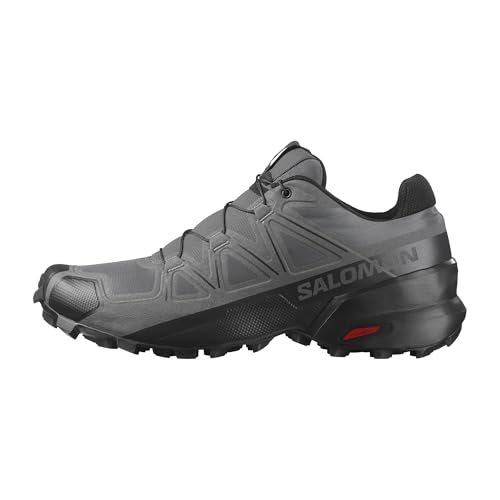
- Aggressive Mud Contagrip lugs for loose, soft terrain
- Welded upper with anti-debris mesh
- Quicklace and heel support for a secure fit
Best For: Trail runners who need maximum traction on loose gravel, mud, and rugged terrain
Balanced Gravel Trainer
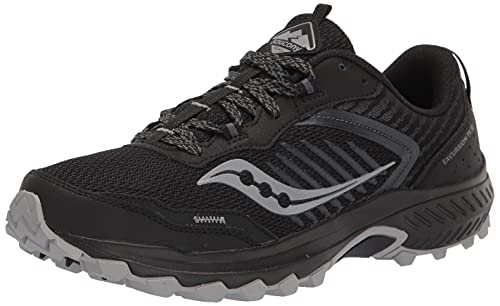
- Carbon-rubber outsole for grippy footing
- Moderate VERSARUN cushioning for comfort
- Trail mesh upper adds protection without bulk
Best For: Runners wanting dependable traction and comfort on loose gravel and mixed trails
Versatile Off-Road Cruiser

- TrailTack Green outsole with 3mm lugs
- DNA LOFT v3 midsole for plush cushioning
- Air mesh upper with toe and mudguard protection
Best For: Runners who want cushioned comfort and reliable grip on loose gravel and technical trails
Mountain Stability
Brooks Cascadia 19 Trail Running Shoe

- TrailTack Green outsole improves traction.
- DNA LOFT v3 cushioning feels soft and responsive.
- Trail Adapt System adds stability on rough ground.
Best For: Trail runners who need a stable, protective shoe for loose gravel and rugged terrain.
Maximum Cushion Trail Pick
ASICS Gel-Venture 11 Trail Running Shoes

- Rearfoot GEL helps with shock absorption.
- AMPLIFOAM PLUS adds a softer ride.
- Molded rubber outsole is trail-ready.
Best For: Runners wanting a cushioned trail shoe for loose gravel and comfortable everyday mileage.
Ultra-Cushioned Trail Comfort
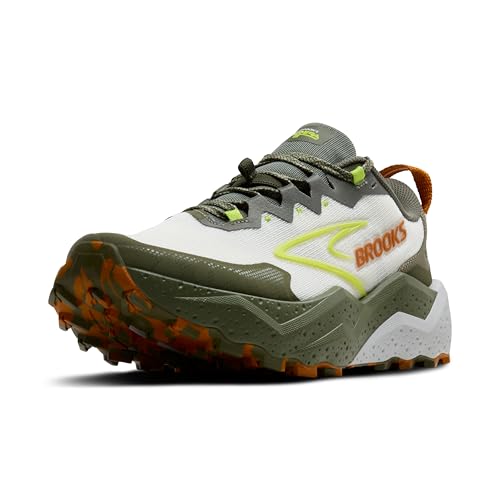
- High-stacked DNA Loft v3 cushioning
- Raised sidewalls and widened base for stability
- Durable, breathable trail upper
Best For: Distance trail runners on rough, rugged terrain
Traction-Focused Trail Daily Trainer
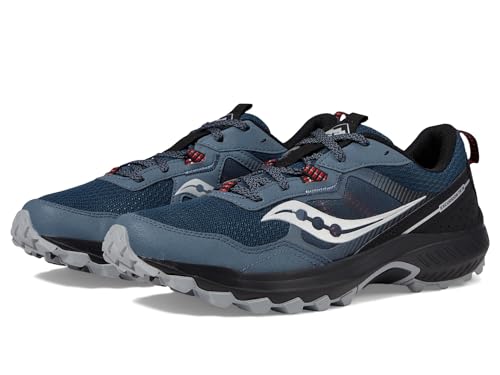
- 4.5mm lugs for trail grip
- VERSARUN cushioning for impact absorption
- GORE-TEX shield for waterproof protection
Best For: Trail runners and hikers who want dependable traction
Deep-Grip Mud Runner – Salomon Speedcross Trail Running Shoes
If you need running shoes for loose gravel that also handle muddy and mixed terrain, the Salomon Speedcross is built around grip and security first. Its deep Mud Contagrip lugs, protective welded upper, and quick-adjust fit make it a strong choice when the trail is unstable and you want confident footing.
Best For: Trail runners who prioritize aggressive traction and a secure, stable fit on loose, muddy, and rugged ground.
Pros:
- Deep, sharp lugs with a high-adhesion compound for maximum grip on soft, loose terrain
- Welded, abrasion-resistant upper with anti-debris mesh helps keep mud and trail debris out
- Sensifit construction and Quicklace system create a snug, foot-hugging fit
- Specialized heel unit adds stability and support through each stride
Cons:
- Built primarily for trail traction rather than road versatility
- Not water resistant
Overall, this is the most aggressive grip-focused option in the group, which makes it especially appealing for runners who regularly deal with loose gravel, soft dirt, and unstable off-road surfaces.
Balanced Gravel Trainer – Saucony Excursion Tr15
For running shoes for loose gravel, the Saucony Excursion Tr15 offers a practical mix of grip, comfort, and protection without feeling overbuilt. Its grippy carbon-rubber outsole, moderate VERSARUN cushioning, and trail-specific mesh upper make it a straightforward pick for everyday trail sessions and hikes.
Best For: Runners who want dependable traction and moderate cushioning for loose gravel, mixed trail use, and hiking.
Pros:
- Grippy outsole uses carbon rubber for rock-solid footing
- Moderate VERSARUN cushioning adds comfort underfoot
- Trail-specific mesh and supportive overlays help block debris
- Lightweight approach with recycled materials included
Cons:
- Neutral fit-to-size sentiment may require personal preference check
- Less specialized than more aggressive trail shoes for very loose or muddy conditions
This is a sensible, no-drama option if you want a trail shoe that can handle loose gravel while still feeling comfortable for longer outings and mixed-use days.
All-Terrain Grip Pick – Salomon Speedcross Peak Trail Running Shoes
If your priority is running shoes for loose gravel with broad all-terrain confidence, the Salomon Speedcross Peak is designed to keep you steady on wet, dry, hard, or loose surfaces. Its aggressive Contagrip outsole, secure Sensifit construction, and protective toe and heel caps make it a strong trail choice for variable conditions.
Best For: Trail runners who want a secure, protective shoe with confident traction across mixed and loose surfaces.
Pros:
- All-terrain Contagrip outsole with aggressive lugs for dependable traction
- Works on wet, dry, hard, and loose surfaces
- Sensifit system and Quicklace make it easy to get a snug fit
- Heel cap and toe cap add protection on rough trails
Cons:
- Not water resistant
- Moderate cushioning may not suit runners wanting a plush feel
Compared with more specialized mud-focused models, this one leans into versatility, so it makes sense if your loose-gravel runs often include a mix of surfaces and a need for extra protection.
Versatile Off-Road Cruiser – Brooks Ghost Trail
For runners looking for running shoes for loose gravel with a more cushioned, adaptable feel, the Brooks Ghost Trail brings the comfort of the Ghost line to off-road terrain. The TrailTack Green outsole, 3mm lugs, and nitrogen-infused DNA LOFT v3 midsole are aimed at giving you grip and plush landings on dry, rocky, and technical trails.
Best For: Trail runners and outdoor adventurers who want a cushioned off-road shoe with reliable grip on uneven terrain.
Pros:
- TrailTack Green rubber outsole with 3mm lugs for wet and dry traction
- DNA LOFT v3 midsole delivers plush, responsive cushioning
- Air mesh upper helps keep feet cool and supported
- Toe cap and mudguard add extra protection without bulk
Cons:
- More cushioning-oriented than aggressively lugged trail shoes
- Not water resistant
This is the most comfort-forward option here, so it fits runners who want a familiar cushioned ride while still getting enough grip for loose gravel and other unpredictable off-road surfaces.
Gravel-Ready Comfort – Saucony Excursion TR14 Trail Running Shoes
If you want running shoes for loose gravel that feel simple, stable, and comfortable, the Saucony Excursion TR14 is a practical trail option. Its carbon-rubber lugs are built for grippy footing, while the moderate Versa Run cushioning adds everyday comfort for mixed-surface runs and hikes.
Best For: Runners who want a straightforward trail shoe with dependable grip and moderate cushioning for loose gravel and light trail use.
Pros:
- Carbon rubber outsole lugs are designed for rock-solid footing.
- Moderate Versa Run cushioning adds comfortable underfoot support.
- Trail-specific mesh with supportive overlays helps keep debris out.
- Low-top, lace-up design keeps the fit secure without feeling bulky.
Cons:
- Not water resistant.
- Basic foam-style insole cushioning is not the plushest option.
- More of a moderate-cushion trail shoe than a highly protective technical model.
Overall, the Excursion TR14 is a solid pick if your loose-gravel routes call for reliable traction and a comfortable, no-fuss feel. It focuses on the essentials rather than heavy-duty trail protection, which makes it a useful everyday option for casual trail runners.
Mountain Stability – Brooks Cascadia 19 Trail Running Shoe
Brooks Men’s Cascadia 19 Mountain Trail Running Shoe - Phantom/Rum Raisin/Green - 10.5 Medium
Check Price On AmazonFor runners looking for running shoes for loose gravel with extra stability, the Brooks Cascadia 19 is built to stay confident on varied terrain. Its TrailTack Green outsole, DNA LOFT v3 cushioning, and Trail Adapt System work together to improve grip, comfort, and adaptability on rugged surfaces.
Best For: Trail runners who want a stable, protective shoe for loose gravel, uneven paths, and more rugged mountain terrain.
Pros:
- TrailTack Green outsole is made for traction in wet and dry conditions.
- DNA LOFT v3 cushioning adds a soft, responsive ride.
- Trail Adapt System and Ballistic Rock Shield improve stability.
- Reinforced toe cap and mudguard add durability and protection.
Cons:
- Not water resistant.
- Built more for protection and stability than a lightweight feel.
- May be more shoe than needed for very casual gravel running.
The Cascadia 19 is the most security-focused option here, especially if your loose-gravel runs often turn into rough trail outings. It balances traction, cushioning, and protection well, making it a strong choice for mixed and unstable terrain.
Maximum Cushion Trail Pick – ASICS Gel-Venture 11 Trail Running Shoes
If you want running shoes for loose gravel with plenty of cushioning, the ASICS Gel-Venture 11 is a strong value-oriented trail option. It combines a rearfoot GEL unit, AMPLIFOAM PLUS midsole cushioning, and a molded rubber outsole to deliver comfort and basic trail-ready traction.
Best For: Runners who want a cushioned trail shoe for loose gravel, short-to-medium runs, and comfortable everyday wear.
Pros:
- Rearfoot GEL technology helps absorb shock.
- AMPLIFOAM PLUS cushioning offers a softer ride than standard foam.
- Molded rubber outsole supports trail use.
- OrthoLite Hybrid Max Lite sockliner adds breathability and moisture management.
Cons:
- Not water resistant.
- Traction details are less aggressive than the more rugged trail models here.
- More cushioning-focused than highly protective for technical terrain.
The Gel-Venture 11 is a comfortable, straightforward choice if you want extra cushioning without moving into a more specialized trail shoe. It’s well suited to loose gravel and mixed athletic use, especially when comfort matters as much as traction.
Ultra-Cushioned Trail Comfort – Brooks Caldera 8
Brooks Men’s Caldera 8 Ultra Trail Running Shoe - Dusty Olive/Lime/Oyster - 11 Medium
Check Price On AmazonIf you want running shoes for loose gravel that lean toward maximum protection, the Brooks Caldera 8 is built for long trail miles on rough, rocky surfaces. Its high-stacked DNA Loft v3 cushioning, raised sidewalls, and widened base are designed to keep the ride soft, secure, and stable when the ground gets uneven.
Best For: Distance trail runners who want plush cushioning and added security on rough, rugged terrain.
Pros:
- High-stacked DNA Loft v3 cushioning delivers very soft underfoot comfort.
- Raised sidewalls and a widened base help stabilize landings on rough terrain.
- Durable upper resists scratching and snagging on trails.
- Breathable mesh with TPEE helps with ventilation and moisture management.
Cons:
- Not water resistant, so wet conditions may be a concern.
- Maximum cushioning may feel more substantial than some runners want for faster efforts.
The Caldera 8 is a strong pick if loose gravel is part of a longer, more demanding trail route and comfort matters most. It focuses on protection and stability rather than minimalist trail feel.
Traction-Focused Trail Daily Trainer – Saucony Excursion TR16
For running shoes for loose gravel that prioritize grip and straightforward trail comfort, the Saucony Excursion TR16 is a practical option. Its 4.5mm lugs are meant to dig into the trail, while VERSARUN cushioning helps absorb impact on daily runs and hikes.
Best For: Trail runners and hikers who want dependable traction and cushioned comfort for everyday outings.
Pros:
- 4.5mm lugs provide strong traction on trails and loose surfaces.
- VERSARUN cushioning helps reduce impact and pressure.
- Durable mesh upper adds trail-ready protection.
- Includes a GORE-TEX shield for waterproof protection.
Cons:
- Cushioning is described as moderate, not maximum.
- Heavier than some lighter trail-focused options.
This shoe makes sense if your gravel routes are mixed with hiking or everyday trail use and you want grip first. It is less about plush softness and more about reliable traction and protection.
Versatile Gravel-and-Trail Grip – New Balance Fresh Foam 410 V9
If you need running shoes for loose gravel that can also handle roads and hiking paths, the New Balance Fresh Foam 410 V9 is built for versatility. Its AT Tread outsole is designed for all-terrain traction, while Fresh Foam and BIO Foam cushioning aim to keep the ride comfortable on uneven ground.
Best For: Runners who want a lightweight all-terrain shoe for mixed road, trail, and gravel use.
Pros:
- AT Tread outsole offers versatile grip on and off the road.
- Fresh Foam and BIO Foam cushioning add shock absorption and comfort.
- Breathable mesh upper with reinforced overlays improves durability and airflow.
- Lace-up fit helps create a secure, supportive feel on technical terrain.
Cons:
- Cushioning is moderate rather than highly plush.
- Not water resistant, so dry conditions are the safer fit.
The 410 V9 is a good all-around choice if loose gravel is only part of your route and you want one shoe for several surfaces. It leans toward practical versatility instead of highly specialized trail performance.
How We Picked These Running Shoes for Loose Gravel
We focused on shoes that make sense for unstable, shifting surfaces: reliable outsole bite, secure midfoot hold, protective underfoot cushioning, and enough durability for repeated use on mixed terrain. We also favored models that can handle gravel without feeling overly heavy or clunky.
Quick Comparison
If you want the shortest version: aggressive-lug trail shoes usually give the best grip, while more moderate trail models often feel smoother and more versatile on packed dirt, crushed rock, and occasional pavement. Max-cushion options are better for long outings, while firmer shoes often feel more precise on loose ground.
Key Buying Factors for Running Shoes for Loose Gravel
Outsole Traction
Look for lugs that can bite into shifting stones without feeling awkward on firmer sections. Deeper, more widely spaced lugs help on loose gravel, while shallower patterns are better if your routes include a lot of hardpack or road crossings.
Stability and Platform Width
A stable base matters because gravel can roll underfoot. Shoes with a broader platform, secure heel hold, and controlled midsole geometry reduce side-to-side wobble and help you feel planted.
Protection and Ride
Rocky gravel can mean sharp edges, so a protective midsole and a bit of forefoot shielding are useful. Choose more cushioning if you run longer distances or want comfort first; choose a more responsive build if you want better ground feel and control.
Upper Security and Fit
A locked-in upper is important on loose terrain. The shoe should hold the midfoot and heel firmly without pinching, since sliding inside the shoe can be just as distracting as slipping outside it.
Who Should Buy Which Running Shoes for Loose Gravel?
Choose an aggressive trail model if your runs are mostly loose, steep, or technical. Pick a balanced trail shoe if you want one pair for gravel, dirt, and light mixed-terrain mileage. Go with a cushioned option if comfort and longer-distance protection matter most.
If you’re narrowing down Running Shoes for Loose Gravel, the best choice is usually the one that matches your terrain first, then your preferred feel second. Traction and stability should come before pure softness or road-like smoothness.
