
Wet pavement changes what matters underfoot. Reliable grip comes first, but a shoe also needs to feel comfortable when your route shifts between sidewalks, slick crossings, and occasional uneven paths.
This roundup includes trail-inspired and water-resistant options, plus several repeated listings of the same model. Use the guide below to separate meaningful differences from duplicate choices and find the right fit for your runs.
Best 10 Running Shoes for Wet Pavement Picks for 2026
Waterproof Support Pick
OrthoComfoot Men's Orthopedic Trail Shoes
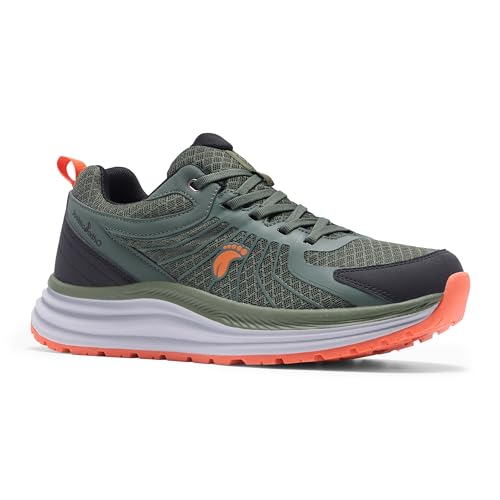
- Waterproof mesh upper
- Arch support and deep heel cup
- Cushioned for pavement and trails
Best For: Waterproof mixed-surface wear with structured foot support
Easy-On Mixed-Route Pick
JOGTAIL Men's Wide Trail Shoes

- Water-resistant mesh upper
- Removable arch-support insole
- Rubber outsole for trails and pavement
Best For: Mixed routes and removable underfoot support
Wet-Trail Grip Pick
New Balance Fresh Foam X Hierro V9

- Vibram grip for wet trails
- Plush dual-density cushioning
- Upper is not water resistant
Best For: Wet trail runs with occasional pavement access
Trail-Grip Pick
Saucony Women's Excursion Tr16

- Carbon-rubber trail lugs
- Balanced VERSARUN cushioning
- Not water-resistant
Best For: Cushioned runs on mixed outdoor routes
Road-to-Trail Pick

- On-road and off-road AT Tread
- Fresh Foam and BIO Foam cushioning
- Not water-resistant
Best For: Runs that combine pavement and trails
Wet-Surface Grip Pick

- Outsole specified for wet and dry grip
- Responsive DNA LOFT v3 cushioning
- Not water-resistant
Best For: Damp, trail-focused running routes
Breathable Trail-to-Road Pick
New Balance 410 V9 in Faded Black/Team Orange

- AT Tread outsole for mixed surfaces
- Fresh Foam and BIO Foam cushioning
- Breathable mesh; not water-resistant
Best For: Cushioned runs that mix pavement and trails
Fall Mixed-Terrain Pick
New Balance 410 V9 in Slate Grey/Castlerock

- AT Tread for road-to-trail routes
- Fresh Foam cushioning
- Not water-resistant
Best For: Cushioned fall runs that include trails
All-Weather-Grip Listed Pick
New Balance 410 V9 in Black/Neptune Grey

- Lists an All Weather Grip feature
- AT Tread outsole for mixed terrain
- Not water-resistant
Best For: Trail runs and hikes in changeable conditions
Waterproof Support Pick – OrthoComfoot Men's Orthopedic Trail Shoes
For running shoes for wet pavement, this OrthoComfoot pair emphasizes waterproof coverage and foot support. Its cushioned midsole is intended to soften pavement impact, while the rugged outsole is described primarily for outdoor terrain.
Best For: Men who want waterproof footwear with pronounced arch and heel support for mixed pavement and trail use.
Pros:
- Waterproof mesh upper helps shield feet in wet weather.
- Targeted arch support and a deep heel cup address comfort for flat feet and heel discomfort.
- Thick cushioning helps absorb impact on pavement and trails.
Cons:
- Outsole grip claims focus on mud, gravel, and uneven ground rather than wet pavement specifically.
- Orthopedic support may be more than runners seeking a neutral feel want.
Choose this pair for weather protection and structured comfort, but do not assume its trail-oriented outsole has verified grip on slick sidewalks.
Wide-Toe Trail Pick – ARTOPEAK Men's Wide Trail Running Shoes
If you need running shoes for wet pavement but also head onto muddy paths, this ARTOPEAK pair combines a wide toe box with a lugged rubber outsole. The listing describes water resistance, not full waterproofing, and its traction claims are strongest for trail surfaces.
Best For: Runners and walkers with wide feet who split time between pavement and uneven outdoor routes.
Pros:
- Wide toe box gives toes room to spread.
- Deep, multidirectional rubber lugs are designed for muddy trails, rocks, and gravel.
- High-rebound cushioning and integrated arch support add underfoot comfort.
Cons:
- Water-resistant construction is not described as waterproof.
- Wet-pavement grip is not specifically established in the supplied details.
This is a practical wide-fit option for mixed routes; prioritize it for toe room and trail traction rather than a proven advantage on slick asphalt.
Easy-On Mixed-Route Pick – JOGTAIL Men's Wide Trail Shoes
These JOGTAIL shoes are worth considering among running shoes for wet pavement when you also want a water-resistant upper and an outsole intended to transition from trails to pavement. The listing calls them slip-on shoes, although the details also specify lace-up closure.
Best For: Mixed-route walkers and runners who value a removable supportive insole and resistance to light wet conditions.
Pros:
- Water-resistant mesh upper offers some protection from the elements.
- Removable foam insole provides arch support; the PHYLON midsole adds cushioning.
- Rubber outsole is described as grippy and suitable for trails and pavement.
- Gusseted tongue helps keep trail debris out.
Cons:
- Water resistance does not mean waterproof protection.
- Slip-on and lace-up descriptions make the entry style unclear.
Its pavement-to-trail design is promising for varied routes, but the supplied information does not verify grip specifically on wet pavement.
Wet-Trail Grip Pick – New Balance Fresh Foam X Hierro V9
New Balance Men's Fresh Foam X Hierro V9 Trail Running Shoe, Afterglow/Dark Olivine, 14
Check Price On AmazonThe Fresh Foam X Hierro V9 stands out for wet-terrain traction, but its stated focus is trails, not running shoes for wet pavement. Vibram Megagrip rubber and 6 mm lugs target wet and dry ground, while a dual-density midsole pairs plush cushioning with a firmer stabilizing layer.
Best For: Trail runners who encounter wet ground and only occasionally use pavement to reach the trail.
Pros:
- Vibram Megagrip outsole is specified for wet and dry terrain.
- Dual-density Fresh Foam X midsole balances soft cushioning and stability.
- Reinforced toe protection and a gusseted tongue suit debris-filled trails.
Cons:
- Listed as not water resistant, so the upper is not intended to keep out rain.
- Deep trail lugs are not presented as a dedicated wet-pavement solution.
Pick the Hierro V9 for its documented wet-trail grip and cushioning, while keeping its non-water-resistant upper and trail-first design in mind.
Trail-Grip Pick – Saucony Women's Excursion Tr16
If your search for running shoes for wet pavement also includes occasional trails, the Saucony Excursion Tr16 offers grippy carbon-rubber lugs and balanced VERSARUN cushioning. It is primarily a trail shoe, so its lugged outsole may feel different from a road-running sole.
Best For: Runners who want a cushioned trail shoe for mixed outdoor routes.
Pros:
- Carbon-rubber lugs provide traction across varied terrain.
- VERSARUN cushioning supports comfortable daily wear.
- Lightweight, flexible construction with a lace-up fit.
Cons:
- Not water-resistant.
- Trail-focused lugs may be more than you need for pavement-only runs.
Choose this pair for trail-oriented traction and cushioning, but do not count on it to keep feet dry in rain or puddles.
Road-to-Trail Pick – New Balance Men's 410 V9
For runners comparing running shoes for wet pavement and nearby trails, the New Balance 410 V9 has an AT Tread outsole designed for both on-road and off-road traction. Its cushioning and breathable mesh upper suit varied routes, though the supplied details do not establish wet-pavement grip specifically.
Best For: Runners who split their outings between pavement and trails.
Pros:
- AT Tread outsole is designed for on-road and off-road use.
- Fresh Foam and BIO Foam cushioning provide a soft, responsive ride.
- Reinforced overlays and adjustable laces add support on uneven ground.
Cons:
- Not water-resistant.
- Wet-pavement traction is not specifically stated in the supplied details.
This is the versatile choice for mixed surfaces, but consider its lack of water resistance before heading out in sustained rain.
Wet-Surface Grip Pick – Brooks Men's Ghost Trail
The Brooks Ghost Trail stands out among these running shoes for wet pavement because its TrailTack Green rubber outsole is described as gripping wet and dry surfaces. Its 3mm lugs and protective upper are built for trails, rather than pavement-only running.
Best For: Runners who encounter wet surfaces on trail-focused routes.
Pros:
- TrailTack Green rubber is specified for wet and dry grip.
- DNA LOFT v3 cushioning offers plush landings with responsiveness.
- Air mesh, protective overlays, and adjustable lacing support trail use.
Cons:
- Not water-resistant.
- Trail-oriented design may be unnecessary for exclusively paved routes.
Its stated wet-surface traction makes it worth considering for damp mixed-terrain outings; the shoe itself will not keep water out.
Breathable Trail-to-Road Pick – New Balance 410 V9 in Faded Black/Team Orange
If your search for running shoes for wet pavement includes routes that turn onto trails, this 410 V9 offers an AT Tread rubber outsole designed for both on-road and off-road use. The listing does not establish wet-pavement grip, so treat it as a versatile terrain option rather than a dedicated rain shoe.
Best For: Runners who split time between pavement and trails and prioritize cushioning and airflow.
Pros:
- AT Tread outsole is designed for on-road and off-road traction.
- Fresh Foam and BIO Foam cushioning are listed for underfoot comfort.
- Breathable mesh upper has reinforced overlays for trail use.
Cons:
- Not water-resistant.
- Trail-focused design; wet-pavement traction is not specifically documented.
The mesh upper makes sense when breathability matters more than keeping rain out. Choose this colorway for mixed routes, but do not assume its all-terrain tread guarantees grip on slick pavement.
Fall Mixed-Terrain Pick – New Balance 410 V9 in Slate Grey/Castlerock
New Balance Men's Fresh Foam 410v9 Trail Running Shoe, Slate Grey/Castlerock, 10.5
Check Price On AmazonFor shoppers comparing running shoes for wet pavement with trail-capable pairs, this Slate Grey/Castlerock 410 V9 has an AT Tread rubber outsole described as suitable for on-road and off-road use. Its listing recommends trails, however, and does not specify traction on rain-slick pavement.
Best For: Fall runners who want a cushioned, lace-up shoe for routes that include trails.
Pros:
- AT Tread outsole supports mixed on-road and off-road use.
- Fresh Foam cushioning is listed for underfoot comfort.
- Traditional laces allow fit adjustment.
Cons:
- Not water-resistant.
- Trail is the stated surface recommendation, not wet pavement.
This is a practical mixed-terrain candidate if cushioning and an adjustable fit lead your checklist. If wet-road grip is the deciding factor, the supplied details do not verify that performance.
All-Weather-Grip Listed Pick – New Balance 410 V9 in Black/Neptune Grey
Among these running shoes for wet pavement, the Black/Neptune Grey 410 V9 is the one whose supplied details list “All Weather Grip.” It also has an AT Tread rubber outsole intended for on-road and off-road traction, though no wet-pavement test result is provided.
Best For: Runners and hikers seeking a cushioned trail shoe with a listed all-weather grip feature.
Pros:
- Lists All Weather Grip as a special feature.
- AT Tread outsole is designed for road and trail use.
- Fresh Foam and BIO Foam cushioning are described in the product bullets.
Cons:
- Not water-resistant despite the grip designation.
- Trail is the stated surface recommendation; wet-road grip is not independently specified.
The grip designation makes this variant worth a closer look for changeable conditions, but it should not be confused with waterproofing or a verified slip-resistance rating on wet pavement.
How We Picked These Running Shoes for Wet Pavement
We focused on features relevant to damp urban routes: outsole traction, cushioning, fit options, and whether a listing claims water resistance or waterproofing. The selected set leans heavily toward trail and trail-inspired shoes, which may offer more pronounced tread than a typical road shoe. More tread, however, does not automatically mean better grip on smooth, rain-soaked concrete or painted crossings.
This is a comparison of the selected listings, not a claim that each shoe was tested on wet pavement. Specifications and seller descriptions can change, so check the current outsole, width, and water-protection details before ordering.
Quick Comparison
Start with intended use. The New Balance Fresh Foam X Hierro V9, Saucony Excursion TR16, Brooks Ghost Trail, and New Balance 410 V9 are trail-oriented models to consider if your runs include park paths as well as pavement. The orthopedic waterproof option emphasizes arch support and keeping water out; the two wide-fit listings emphasize room and comfort, with one described as water-resistant.
The New Balance 410 V9 appears four times in the selected listings. Treat those entries as one model when comparing shoe designs, then check whether size, color, seller, or price differs. Also confirm the exact version and fit of any listing before purchase.
Key Buying Factors for Running Shoes for Wet Pavement
Grip on Hard, Slick Surfaces
Look beyond aggressive lug depth. Closely spaced rubber contact areas can feel steadier on flat pavement, while widely spaced trail lugs are primarily useful on loose ground. No outsole guarantees traction on wet metal covers, leaves, or painted lines; shorten your stride through those hazards.
Water Protection and Breathability
Waterproof shoes can help in sustained rain and shallow puddles, but water entering over the collar may take longer to drain. Water-resistant uppers may handle light splashes while remaining more breathable. Neither label replaces a fit that stays secure when socks are damp.
Fit, Cushioning, and Support
Allow toe room without letting your heel slip. Wide sizing can help if standard shoes pinch; extra width is not a fix for a shoe that is too long. Choose cushioning you find comfortable and stable, especially when turning on wet ground. Arch support may matter to some runners, but a plantar-fasciitis claim is not a guarantee of relief.
Who Should Buy Which Running Shoes for Wet Pavement?
If your route mixes pavement with dirt or gravel, compare the trail-oriented models first and prioritize a comfortable fit over the boldest tread. If width is your main concern, examine the wide-fit options, including their stated water protection. If keeping rain out is the priority, consider the waterproof listing while weighing warmth and drying time. For mostly smooth sidewalks, check that any trail shoe feels stable and comfortable on hard surfaces before committing; a pavement-focused road shoe may suit that route better.
