
Plantar fasciitis can make the first steps of a run uncomfortable, and the wrong shoe may leave your heel feeling worse afterward. A well-fitting stability shoe can offer a secure platform and cushioning, but no single model works for every foot.
These 10 picks cover different levels of support, cushioning, and fit. Use the buying guide below to narrow your options before choosing your size.
Best 10 Stability Running Shoes for Plantar Fasciitis Picks for 2026
Best for Runners and Walkers
Brooks Women's Adrenaline GTS 25

- GuideRails limits excess movement
- Soft DNA LOFT v3 cushioning
- APMA Seal of Acceptance
Best For: Women seeking cushioned support for running and walking
Best for Road and Treadmill Runs
New Balance Men's Fresh Foam X 860 V14
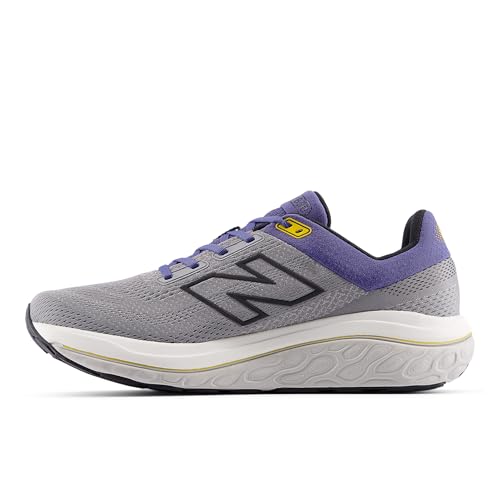
- Maximum Fresh Foam X cushioning
- Listed for overpronation
- Durable rubber outsole
Best For: Men wanting cushioned stability on roads or treadmills
Best for an Accommodating Fit
Brooks Women's Adrenaline GTS 24

- GuideRails controls excess movement
- Soft DNA LOFT v3 cushioning
- Breathable upper with stretch
Best For: Women seeking cushioned support and a flexible-feeling upper
Best for Responsive Stability
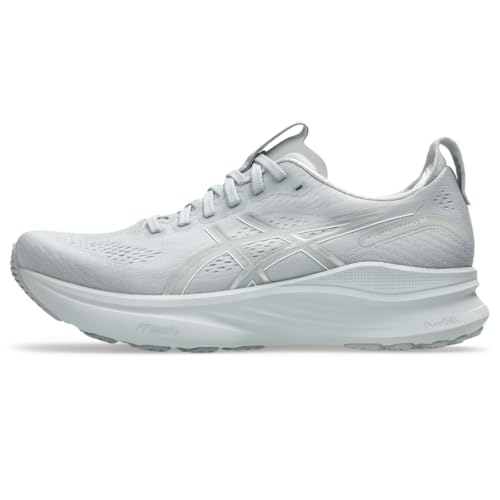
- Load-responsive 4D GUIDANCE SYSTEM
- PureGEL rearfoot cushioning
- FF BLAST PLUS responsive foam
Best For: Men seeking responsive support for road or treadmill runs
Lightweight Daily Stability

- Lightweight design for daily runs
- PWRRUN cushioning
- Guidance for mild overpronation
Best For: Women wanting moderate cushioning and lightweight stability
Plush Guided Support
Brooks Men's Adrenaline GTS 24

- Plush DNA Loft v3 cushioning
- GuideRails movement support
- APMA Seal of Acceptance
Best For: Men seeking plush cushioning and overpronation support
Best for Comfort

- 3D GUIDANCE SYSTEM stability
- PureGEL softens landings
- FF BLAST PLUS adds rebound
Best For: Women seeking guided stability and responsive cushioning
Men’s Everyday Support
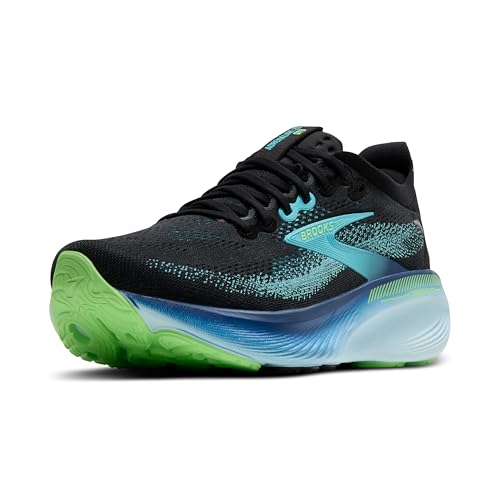
- GuideRails motion guidance
- Soft DNA LOFT v3 cushioning
- Breathable, structured mesh upper
Best For: Men seeking cushioned stability for runs and walks
Maximum-Support Option

- Linear-last stability construction
- GuideRails motion guidance
- Generous, secure upper fit
Best For: Women wanting maximum support and a roomy fit
Women’s Smooth-Ride Pick

- GuideRails overpronation support
- Soft DNA LOFT v3 midsole
- Breathable, accommodating air mesh
Best For: Women seeking cushioned stability for road or treadmill runs
Best for Runners and Walkers – Brooks Women's Adrenaline GTS 25
Brooks Women’s Adrenaline GTS 25 Supportive Running & Walking Shoe - Black/Black/Ebony - 8.5 Medium
Check Price On AmazonAmong stability running shoes for plantar fasciitis, the women’s Adrenaline GTS 25 is worth considering if you want cushioning and support for both running and walking. Its GuideRails system is designed to limit excess movement without steering you away from your natural motion path.
Best For: Runners and walkers who want a soft, supportive shoe for regular use.
Pros:
- GuideRails support helps keep excess movement in check.
- Nitrogen-infused DNA LOFT v3 cushioning offers lightweight softness.
- Breathable mesh upper and flat-knit collar balance structure with flexibility.
- APMA Seal of Acceptance; certified PDAC A5500 diabetic shoe.
Cons:
- Not water-resistant.
- Maximum cushioning may not suit those seeking a firmer feel.
The GTS 25 pairs its soft cushioning with an outsole and midsole designed for smooth transitions. It may suit your support preferences, but the supplied details do not establish that it treats plantar fasciitis.
Best for Road and Treadmill Runs – New Balance Men's Fresh Foam X 860 V14
New Balance Men's Fresh Foam X 860 V14 Running Shoe, Slate Grey/Dream State/Ginger Lemon, 10 M
Check Price On AmazonIf you’re comparing stability running shoes for plantar fasciitis, the men’s Fresh Foam X 860 V14 offers an overpronation-focused option with maximum Fresh Foam X cushioning. Its listed surfaces are roads and treadmills.
Best For: Men seeking a highly cushioned stability shoe for road or treadmill running.
Pros:
- Fresh Foam X midsole provides the model’s maximum-cushioning feel.
- Listed for overpronation support.
- Durable rubber outsole.
Cons:
- Not water-resistant.
- Maximum cushioning may feel too soft for runners who prefer a firmer shoe.
The 860 V14 is a straightforward choice if cushioning and overpronation support top your list. The supplied details do not establish plantar-fasciitis relief, so prioritize how the shoe fits and feels on your runs.
Best for an Accommodating Fit – Brooks Women's Adrenaline GTS 24
Brooks Women’s Adrenaline GTS 24 Supportive Running Shoe - Black/Peacoat/Peach - 8 Medium
Check Price On AmazonThe women’s Adrenaline GTS 24 belongs on a shortlist of stability running shoes for plantar fasciitis if you prefer a breathable upper with some stretch. GuideRails support and nitrogen-infused DNA LOFT v3 cushioning combine movement control with a soft ride.
Best For: Women who want an accommodating upper and cushioned overpronation support for road or treadmill use.
Pros:
- GuideRails system keeps excess movement in check.
- DNA LOFT v3 foam provides lightweight, soft cushioning.
- Engineered air mesh offers breathability, stretch, and structure.
- APMA Seal of Acceptance; certified PDAC A5500 diabetic shoe.
Cons:
- Not water-resistant.
- Maximum cushioning may not appeal to those who prefer a firmer ride.
Its outsole and midsole are designed to make transitions feel smooth. Consider it for its fit and support features rather than assuming it will resolve plantar-fasciitis pain.
Best for Responsive Stability – ASICS Men's Gel-Kayano 32
For shoppers considering stability running shoes for plantar fasciitis, the men’s Gel-Kayano 32 combines load-responsive stability with rearfoot cushioning. Its 4D GUIDANCE SYSTEM is designed to respond under excessive load, while FF BLAST PLUS balances softness with responsiveness.
Best For: Men who want overpronation support and a cushioned yet responsive feel on roads or treadmills.
Pros:
- 4D GUIDANCE SYSTEM responds under excessive load.
- Rearfoot PureGEL and FF BLAST PLUS provide two cushioning technologies.
- Breathable engineered mesh upper.
- OrthoLite X-55 sockliner adds cushioning and moisture management.
Cons:
- Not water-resistant.
- Moderate-to-high cushioning may not meet a preference for maximum cushioning.
The Gel-Kayano 32 offers a different support approach from the GuideRails models, with a dynamic pod that responds to load. Its features may match your running needs, but the supplied details do not demonstrate a treatment benefit for plantar fasciitis.
Lightweight Daily Stability – Saucony Women's Guide 18
Among stability running shoes for plantar fasciitis, the Saucony Women’s Guide 18 is worth considering if you want moderate cushioning and guidance for mild overpronation. Its lightweight design suits road runs, treadmill sessions, and everyday wear.
Best For: Women seeking a lightweight stability shoe for mild overpronation and daily training.
Pros:
- PWRRUN foam provides cushioning with a responsive feel.
- TPU guidance frame adds support for mild overpronation.
- Breathable engineered mesh offers a secure fit.
Cons:
- Moderate cushioning may not suit runners who prefer a very plush ride.
- Not water-resistant.
The Guide 18 balances cushioning and stability without emphasizing bulk. Consider how its moderate cushioning feels underfoot if heel comfort is your main priority.
Brooks Men’s Adrenaline GTS 24 Supportive Running Shoe - Black/Black/Ebony - 12 Medium
Check Price On AmazonThe Brooks Men’s Adrenaline GTS 24 stands out among stability running shoes for plantar fasciitis for its soft DNA Loft v3 cushioning and GuideRails system, which helps keep excess movement in check. It is designed for road and treadmill running.
Best For: Men who want a cushioned stability shoe with guidance for overpronation.
Pros:
- Nitrogen-infused DNA Loft v3 offers lightweight, plush cushioning.
- GuideRails support helps control excess movement.
- Engineered air mesh combines breathability with an accommodating fit.
- Has the APMA Seal of Acceptance.
Cons:
- Not water-resistant.
- Runners who prefer minimal cushioning may find its plush feel less appealing.
Choose this model if soft cushioning and guided movement are your priorities. The APMA seal is a useful credential, but it does not guarantee relief from plantar fasciitis symptoms.
For shoppers comparing stability running shoes for plantar fasciitis, the ASICS Women’s GT-2000 13 combines its 3D GUIDANCE SYSTEM with cushioning designed for softer landings and responsive rebound. It is intended for road and treadmill use.
Best For: Women who want overpronation support with a responsive, moderately to highly cushioned ride.
Pros:
- 3D GUIDANCE SYSTEM helps stabilize the stride.
- Rearfoot PureGEL helps soften landings.
- FF BLAST PLUS provides lightweight impact absorption and rebound.
- Jacquard mesh upper offers a supportive foothold.
Cons:
- Not water-resistant.
- Its responsive cushioning may not suit those who prefer a consistently soft feel.
The GT-2000 13 is a practical choice if you want stability without giving up a lively feel. Its listed features support comfort and stride guidance, not a specific treatment outcome.
Men’s Everyday Support – Brooks Adrenaline GTS 25
For shoppers comparing stability running shoes for plantar fasciitis, the men’s Adrenaline GTS 25 offers cushioning and motion guidance for road runs, treadmill sessions, and walks. Those features may appeal if you want a softer ride with support for overpronation, though the shoe is not a treatment for heel pain.
Best For: Men who want a cushioned stability shoe for running and walking.
Pros:
- GuideRails help keep excess movement in check.
- Nitrogen-infused DNA LOFT v3 provides soft, lightweight cushioning.
- Breathable engineered mesh and a flat-knit collar balance structure with flexibility.
Cons:
- Not water resistant.
- Its overpronation-focused support may be more than neutral runners want.
The GTS 25 is the everyday pick here for men who value a smooth transition and supportive feel. If plantar fasciitis is your main concern, prioritize how its fit and cushioning feel on your feet.
Maximum-Support Option – Brooks Ariel GTS 24
The women’s Ariel GTS 24 stands out among stability running shoes for plantar fasciitis shoppers who prefer substantial support and a roomier fit. Its linear-last construction, GuideRails, and nitrogen-infused DNA LOFT v3 cushioning make it a running-and-walking option worth considering, without implying it will resolve plantar fasciitis.
Best For: Women seeking maximum support, soft cushioning, and a generous fit.
Pros:
- Linear-last midsole and outsole construction add stability.
- GuideRails limit excess movement while supporting a natural motion path.
- Roomy engineered upper offers a secure fit and added comfort.
Cons:
- Listed at 11.1 ounces, so it may not suit shoppers prioritizing a lighter shoe.
- Not water resistant.
Choose the Ariel if a generous fit and maximum-support design matter more to you than a lighter listed weight. Check the fit carefully, especially if foot discomfort influences your shoe choice.
Women’s Smooth-Ride Pick – Brooks Adrenaline GTS 24
Brooks Women’s Adrenaline GTS 24 Supportive Running Shoe - Coconut/Black/Biscuit - 7 Medium
Check Price On AmazonAmong stability running shoes for plantar fasciitis, the women’s Adrenaline GTS 24 is a practical option to try if you want overpronation support without giving up soft cushioning. It combines GuideRails with nitrogen-infused DNA LOFT v3 and a midsole-outsole design intended to smooth transitions; individual comfort will still depend on fit.
Best For: Women who want cushioned support for road or treadmill running.
Pros:
- GuideRails help keep excess movement in check.
- DNA LOFT v3 delivers soft, lightweight cushioning.
- Engineered air mesh provides breathability, stretch, and structure.
Cons:
- Not water resistant.
- Overpronation-oriented support may not appeal to runners seeking a neutral shoe.
The GTS 24 balances supportive guidance with an accommodating upper and smooth transitions. It is a shoe to assess for comfort, not a guaranteed fix for plantar fasciitis symptoms.
How We Picked the Best Stability Running Shoes for Plantar Fasciitis
We focused on stability running shoes with supportive platforms, cushioned landings, and fit options worth considering if you run with plantar fasciitis. The selection spans everyday trainers and a more substantial support option, with men’s and women’s listings represented. We also looked for practical differences in support feel and cushioning rather than treating every stability shoe as interchangeable.
This is a shopping guide, not a clinical ranking or a claim that any shoe treats plantar fasciitis. The list includes a repeated women’s Adrenaline GTS 24 listing, so it does not represent 10 distinct models. Availability and sizing may also differ between listings.
Quick Comparison: Where to Start
For a familiar everyday stability trainer, start with the Brooks Adrenaline GTS 24 or 25 listings and compare fit and price. The New Balance Fresh Foam X 860 v14, Saucony Guide 18, and ASICS GT-2000 13 give you other daily-training options if one brand’s shape does not suit your foot. Consider the ASICS Gel-Kayano 32 if you prefer a more cushioned stability-shoe feel. The Brooks Ariel GTS 24 is the option to investigate if you want a more substantial supportive shoe for both running and walking.
Men’s and women’s labels identify the listed versions, not who can wear them. Fit, width, and comfort matter more than the label.
Key Buying Factors for Stability Running Shoes for Plantar Fasciitis
Support Without an Awkward Fit
A stability shoe should feel steady underfoot without forcing your arch into an uncomfortable position. Stand, walk, and jog in both shoes if possible. If the support feels intrusive in the store, do not count on it disappearing after several runs.
Heel Comfort and Cushioning
Look for a heel that feels secure and cushioned without letting your foot slide or wobble. More softness is not automatically better: a cushioned shoe still needs to feel controlled through your stride. If heel pain is your main concern, pay close attention to how the shoe feels during a short walk and afterward.
Size, Width, and Room for Insoles
Leave space in front of your longest toe and check that the midfoot holds comfortably without squeezing. Try shoes later in the day if your feet tend to swell. If you use prescribed or over-the-counter orthotics, bring them when trying shoes on and check that your heel still sits securely once they are in place.
Transition Gradually
Even a comfortable new shoe can feel different from your current pair. Start with shorter outings, then increase mileage based on how your feet respond. Shoes can improve comfort, but they are not a substitute for medical advice if pain persists or worsens.
Who Should Buy Which Stability Running Shoes for Plantar Fasciitis?
Choose an Adrenaline GTS listing if you want an everyday starting point and can find a version that fits well at the right price. Try the 860 v14, Guide 18, or GT-2000 13 if you want to compare alternative fits and support feels. Look at the Gel-Kayano 32 if cushioning is high on your list, or the Ariel GTS 24 if you want a more substantial running-and-walking option. Whichever you choose, prioritize a comfortable test fit over a model name or a promised fix for plantar fasciitis.
