
Choosing trail running shoes for overpronation means balancing stability, cushioning, and grip without making the ride feel rigid or heavy. The right pair should help you stay aligned on uneven ground while still feeling natural on climbs, descents, and long runs.
Below, we focus on options that can better support inward rolling, improve confidence on technical trails, and match different foot shapes and mileage needs.
Best 10 Trail Running Shoes for Overpronation Picks for 2026
Ultra-Cushioned Stability Pick

- DNA Loft v3 cushioning feels plush on rough trails.
- Raised sidewalls and a widened base add security.
- Breathable, durable upper suits long trail efforts.
Best For: Distance runners seeking maximum cushioning and added stability
Grip-and-Cushion Trail Option

- Dual-density Fresh Foam X adds comfort with more stability.
- Vibram Megagrip outsole offers strong wet and dry traction.
- Toe protection and knit upper suit technical trails.
Best For: Trail runners wanting cushioned comfort with dependable grip
Stable Mountain Trail Pick

- Trail Adapt System adds stability and adaptability.
- TrailTack Green outsole grips wet and dry terrain.
- Reinforced toe cap and mudguard improve protection.
Best For: Runners needing a stable shoe for rugged mountain trails
Natural-Fit Trail Choice
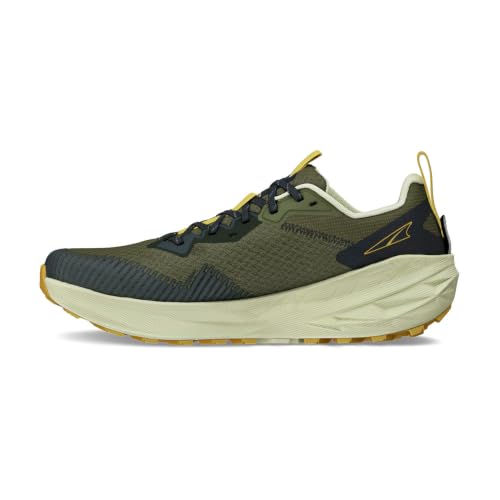
- Balanced cushioning supports low-impact landings.
- FootShape toe box gives toes extra room to spread.
- Lightweight build is suited to long outdoor sessions.
Best For: Runners who want a roomy, cushioned trail shoe
Natural Trail Comfort

- Zero-drop platform for a natural stride
- Wide toe box for roomier comfort
- MaxTrac outsole for confident trail grip
Best For: trail runners who want room, grip, and a natural-feel platform
Supportive Road-to-Trail Stability
Brooks Adrenaline GTS 24 Weatherized

- GuideRails support helps control excess movement
- DNA Loft v3 foam adds soft cushioning
- Wet/dry traction and weatherized upper improve confidence
Best For: runners wanting supportive cushioning and weather protection
Plush Versatile Grip
New Balance Dynasoft Tektrel V1

- DynaSoft midsole for plush responsiveness
- AT Tread outsole for on/off-road traction
- Water-resistant build with durable overlays
Best For: cushioned trail and hiking use with versatile traction
Ghost Trail Stability Pick
Brooks Ghost Trail for Rugged Off-Road Comfort

- DNA LOFT v3 cushioning for soft, responsive landings
- TrailTack Green outsole with 3mm lugs for traction
- Secure lacing and heel lockdown for a stable fit
Best For: trail runners and hikers wanting cushioned comfort on rugged terrain
Balanced Everyday Pick
Saucony Excursion TR16 for All-Day Trail Comfort

- VERSARUN cushioning for balanced comfort
- Carbon-rubber lugs for dependable trail grip
- Lightweight, breathable build for easy wear
Best For: runners seeking a simple, comfortable trail shoe for general use
Stability Mountain Pick
Brooks Cascadia 19 for Adaptive Trail Control
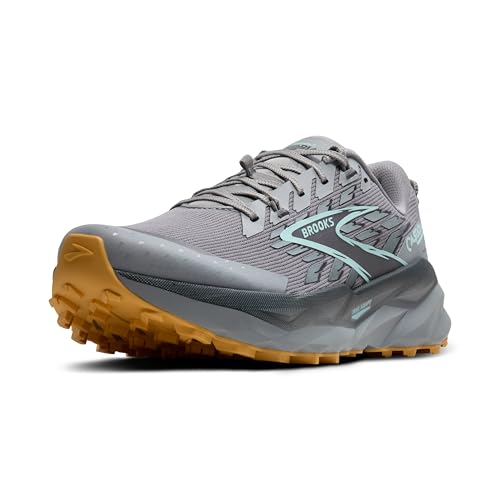
- Trail Adapt System for a more stable, adaptive ride
- DNA LOFT v3 cushioning in heel and forefoot
- TrailTack Green outsole plus protective upper details
Best For: trail runners wanting a stable, protective shoe for rugged terrain
Ultra-Cushioned Stability Pick – Brooks Caldera 8
Brooks Women’s Caldera 8 Ultra Trail Running Shoe - Black/Blackened Pearl/White - 7.5 Medium
Check Price On AmazonIf you want trail running shoes for overpronation with a soft, secure feel, the Brooks Caldera 8 is built for long, rough miles. Its high-stacked DNA Loft v3 cushioning, raised sidewalls, and widened base are aimed at adding comfort and helping stabilize landings on uneven terrain.
Best For: Distance trail runners who want maximum cushioning and a more stable-feeling ride on rugged mountain paths.
Pros:
- High-stacked DNA Loft v3 cushioning provides plush protection over rocks and roots.
- Raised sidewalls and a widened base add security and help steady the ride.
- Breathable air mesh upper helps with ventilation and moisture management.
- Durable materials resist scratching and snagging on the trail.
Cons:
- Maximum cushioning may feel bulkier than a lighter, more nimble trail shoe.
- Not water resistant, so wet conditions can be a drawback.
Overall, the Caldera 8 makes sense if your priority is comfort and a more controlled-feeling platform on long technical runs. It is especially appealing for runners who want plush protection without giving up trail security.
Grip-and-Cushion Trail Option – New Balance Hierro V9
New Balance Men's Fresh Foam X Hierro V9 Trail Running Shoe, Dark Juniper/Black/Dried Apricot, 12 M
Check Price On AmazonFor trail running shoes for overpronation, the New Balance Fresh Foam X Hierro V9 stands out with a dual-density midsole that pairs softness on top with a firmer lower layer for added stability. Combined with a Vibram Megagrip outsole and toe protection, it is a practical choice for runners who want comfort and confidence on mixed terrain.
Best For: Runners who want a cushioned trail shoe with a more stable feel and strong wet-or-dry traction.
Pros:
- Dual-density Fresh Foam X midsole balances plush comfort and stability.
- Vibram Megagrip outsole with 6mm lugs delivers strong traction.
- Reinforced toe cap helps protect against rocks, roots, and debris.
- Breathable knit upper with gusseted tongue helps keep dirt out.
Cons:
- Traditional lace closure may not offer the same quick adjustability as more adaptive systems.
- Water resistant, but not fully waterproof for very wet conditions.
The Hierro V9 is a well-rounded pick if you want cushioning plus a firmer-feeling base for better trail confidence. It is a solid option for runners who need dependable grip and protection on technical routes.
Stable Mountain Trail Pick – Brooks Cascadia 19
Brooks Women’s Cascadia 19 Mountain Trail Running Shoe - Coconut/Misty Blue/Ebony - 9.5 Medium
Check Price On AmazonIf you are comparing trail running shoes for overpronation, the Brooks Cascadia 19 is worth a look for its stable, adaptable ride. The updated Trail Adapt System, flexible Ballistic Rock Shield, and DNA Loft v3 cushioning are designed to help keep you comfortable and composed on uneven mountain trails.
Best For: Trail runners who want a stable, adaptable shoe for varied terrain and longer mountain outings.
Pros:
- Trail Adapt System works with a flexible Ballistic Rock Shield for stability and adaptability.
- DNA Loft v3 cushioning in heel and forefoot adds soft, responsive comfort.
- TrailTack Green outsole improves traction in wet and dry conditions.
- Reinforced toe cap and mudguard add extra protection on rugged trails.
Cons:
- Not water resistant, so it is not the best choice for consistently wet weather.
- Moderate to high cushioning may feel more protective than fast and minimalist.
In practice, the Cascadia 19 is built for runners who want more confidence on rough terrain without sacrificing comfort. Its blend of traction, protection, and adaptive stability makes it a strong everyday mountain-trail option.
Natural-Fit Trail Choice – Altra Experience Wild 2
When shopping for trail running shoes for overpronation, the Altra Experience Wild 2 offers a different approach with balanced cushioning and a roomy FootShape toe box. Its low-impact landing platform and highly cushioned midsole are geared toward comfort, while the spacious front end can help your toes spread naturally on longer runs.
Best For: Trail runners who prefer a spacious toe box and a balanced, cushioned platform for all-day comfort.
Pros:
- Balanced cushioning platform places heel and forefoot at the same distance from the ground.
- Highly cushioned midsole supports high-intensity trail days.
- FootShape toe box gives toes more room to spread.
- Lightweight, breathable, and gaiter-compatible for varied outdoor use.
Cons:
- Not water resistant, so wet trails may be a drawback.
- Its roomy fit and natural shape may not suit runners who prefer a tighter, more structured feel.
The Experience Wild 2 is a good fit if you value comfort, space, and a low-impact ride over a highly structured setup. It is especially appealing for trail runners who want a more natural forefoot feel.
Natural Trail Comfort – ALTRA Lone Peak 8
If you want trail running shoes for overpronation with a more natural-feeling platform, the ALTRA Men’s Lone Peak 8 is built around a balanced zero-drop design and a wide toe box. Its MaxTrac outsole with TrailClaw lugs aims to keep you stable on dirt, gravel, and rock, while the lightweight EGO midsole adds responsive cushioning for long trail days.
Best For: Runners who want a roomy, low-drop trail shoe with dependable grip and a natural stride feel.
Pros:
- Zero-drop platform encourages a natural foot position.
- Wide toe box adds room for comfort on longer runs.
- MaxTrac outsole and TrailClaw lugs provide strong trail traction.
- Ripstop mesh upper is breathable and abrasion-resistant.
Cons:
- Not water resistant.
- Moderate cushioning may feel less plush than maximum-cushion options.
This is a good pick if your priority is trail stability, ground feel, and a fit that avoids the cramped feel some runners dislike. It’s also versatile enough to move from technical trails to casual wear.
Supportive Road-to-Trail Stability – Brooks Adrenaline GTS 24 Weatherized
For trail running shoes for overpronation that lean more supportive than minimalist, the Brooks Men’s Adrenaline GTS 24 Weatherized stands out with its GuideRails support system. It also adds wet/dry traction and a DWR mesh upper, making it a practical option when your runs continue in less predictable weather.
Best For: Runners who want supportive guidance, soft cushioning, and weather protection for mixed conditions.
Pros:
- GuideRails system helps keep excess movement in check.
- Nitrogen-infused DNA Loft v3 foam delivers soft cushioning.
- Enhanced wet/dry traction adds confidence on slick surfaces.
- DWR mesh upper provides weather protection and temperature control.
Cons:
- Designed as a running shoe first, so it may not feel as trail-focused as lugged trail models.
- Not a water-resistant trail shoe in the traditional sense, just weatherized.
If you need support more than rugged trail aggression, this shoe offers a strong balance of cushioning, control, and all-condition practicality. It’s a solid choice for runners who want one pair to handle steady mileage and variable weather.
Plush Versatile Grip – New Balance Dynasoft Tektrel V1
New Balance Men's DynaSoft TEKTREL V1 Trail Running Shoe, Black/Phantom/Magnet, 10.5 W
Check Price On AmazonThe New Balance Men’s Dynasoft Tektrel V1 Suede Trail Running Shoes are a versatile option for trail running shoes for overpronation when you want comfort and secure footing. Its DynaSoft midsole is built for plush responsiveness, and the AT Tread outsole is designed for traction on both on- and off-road terrain.
Best For: Trail runners who want a cushioned, versatile shoe for hiking and mixed-surface use.
Pros:
- DynaSoft midsole blends responsive performance with plush comfort.
- AT Tread outsole supports traction on and off road.
- Regrind upper overlay adds durability.
- Corded eye row helps deliver a locked-down feeling.
Cons:
- Trail support is more about locked-down fit and traction than dedicated stability tech.
- Suede/lifestyle-inspired styling may not appeal to runners wanting a purely technical look.
This model is best if you want a comfortable, water-resistant trail shoe that can handle hiking and mixed use. It offers a practical combination of cushioning, traction, and durability without feeling overly specialized.
Ghost Trail Stability Pick – Brooks Ghost Trail for Rugged Off-Road Comfort
Brooks Men's Ghost Trail, Off-Road Running Shoe for Rugged Terrain - Ebony/Black/Clove - 8.5 Medium
Check Price On AmazonIf you want trail running shoes for overpronation that lean more toward comfort and control than a pure stability build, the Brooks Ghost Trail is a practical off-road option. It pairs the familiar Ghost feel with TrailTack Green traction, a nitrogen-infused DNA LOFT v3 midsole, and a secure lacing fit for dry, rocky, and technical terrain.
Best For: Trail runners and hikers who want cushioned, adaptable comfort on rugged terrain with a secure fit.
Pros:
- DNA LOFT v3 cushioning aims to soften landings on uneven ground without feeling overly mushy.
- TrailTack Green outsole with 3mm lugs is built for reliable grip on wet and dry surfaces.
- Heel-locking design and adjustable midfoot lacing help improve lockdown and reduce slippage.
- Air mesh upper plus toe cap and mudguard add breathable protection from debris.
Cons:
- Not water resistant, so it is not ideal for consistently wet conditions.
- The notes do not call out a dedicated stability feature for overpronation control.
- Best suited to moderate cushioning rather than a highly structured support feel.
Overall, this is a versatile trail shoe for runners who prioritize comfort, traction, and a secure fit on challenging terrain. It can work for overpronators who prefer a more adaptable ride, but it is not a specialized support model.
Balanced Everyday Pick – Saucony Excursion TR16 for All-Day Trail Comfort
For trail running shoes for overpronation on a budget-minded, all-purpose build, the Saucony Excursion TR16 keeps things simple and comfortable. Its VERSARUN cushioning, grippy carbon-rubber lugs, and lightweight, flexible feel make it a straightforward choice for mixed trail use and everyday running comfort.
Best For: Runners who want a comfortable, lightweight trail shoe with dependable traction for general use.
Pros:
- VERSARUN cushioning provides balanced comfort for longer outings.
- Carbon-rubber lugs deliver strong traction across varied terrain.
- Lightweight, flexible, and breathable design supports easy all-day wear.
- Lace-up fit with shoe adjustability helps fine-tune lockdown.
Cons:
- The notes do not mention specific overpronation support or stability tech.
- Water resistance is not included, so wet-weather protection is limited.
- Moderate cushioning may feel basic to runners wanting more structure.
This is a sensible trail shoe if you want comfort and traction without extra complexity. It is a better fit for neutral to mild-support needs than for runners looking for a dedicated corrective platform.
Stability Mountain Pick – Brooks Cascadia 19 for Adaptive Trail Control
Brooks Men’s Cascadia 19 Mountain Trail Running Shoe - Alloy/Ebony/Orange - 12.5 Wide
Check Price On AmazonIf you are comparing trail running shoes for overpronation and want a model with a more adaptable, stable feel, the Brooks Cascadia 19 is the strongest match in this group. Its Trail Adapt System, flexible Ballistic Rock Shield, and DNA LOFT v3 cushioning are designed to bring confidence on mountain trails, uneven ground, and rugged landscapes.
Best For: Trail runners who want a stable, protective shoe for rough terrain and long days outside.
Pros:
- Trail Adapt System adds a stability-focused, adaptive ride for uneven terrain.
- DNA LOFT v3 cushioning in heel and forefoot offers a soft, responsive feel.
- TrailTack Green outsole provides traction in wet and dry conditions.
- Reinforced toe cap, mudguard, and breathable air mesh upper improve protection and durability.
Cons:
- Has no shoe adjustability according to the supplied details.
- Not water resistant, so it is not built for full wet protection.
- At 10.5 ounces, it is not the lightest option here.
Among these options, the Cascadia 19 stands out as the most stability-oriented and protective choice. It is a smart pick if you want a trail shoe that feels more controlled over technical terrain while still keeping cushioning and traction in balance.
How We Picked the Best Trail Running Shoes for Overpronation
For Trail Running Shoes for Overpronation, we looked for a mix of supportive geometry, secure midfoot hold, dependable traction, and ride comfort on uneven terrain. We also favored models with enough cushioning for longer efforts and uppers that help keep the foot centered without feeling restrictive.
Quick Comparison
Use the roundup to compare support level, stack height, weight, and terrain focus. Some shoes here lean more toward all-day comfort and protection, while others are better for firmer trails, faster pacing, or runners who want a more natural feel with moderate guidance.
Key Buying Factors for Trail Running Shoes for Overpronation
Support and Stability
Look for a stable platform, guided geometry, or a secure heel and midfoot. You do not always need a traditional motion-control shoe; many runners do well with a wide base and structured cushioning that reduces excess inward collapse on uneven ground.
Cushioning Versus Ground Feel
More cushioning can reduce fatigue on long runs and rocky trails, but too much softness may feel unstable. Runners who overpronate often benefit from a balanced midsole that feels protective without wobble.
Outsole Grip
Trail traction matters as much as support. Deeper lugs and sticky rubber help you stay planted on mud, loose dirt, wet roots, and rock. If your routes vary, choose a versatile outsole rather than an overly aggressive one.
Fit and Upper Security
A locked-in heel, snug midfoot, and enough toe room are important. Poor fit can worsen pronation issues because the foot shifts around inside the shoe. Try to match the last and volume to your foot shape.
Terrain and Distance
For technical trails or long mileage, prioritize protection and a stable platform. For smoother paths, a lighter and more flexible option may be enough. The best Trail Running Shoes for Overpronation are the ones that support your mechanics on your actual routes.
Who Should Buy Which Trail Running Shoes for Overpronation?
Choose more supportive, structured models if you want extra guidance, run longer distances, or notice fatigue-related form breakdown. Pick moderately stable, cushioned trail shoes if you want a natural stride with subtle help. If your feet are wide, sensitive, or prone to swelling, prioritize roomy toe boxes and secure but forgiving uppers.
If you already know a road shoe that controls overpronation well, look for a trail model with a similar fit and support feel. That usually leads to the fastest path to comfort and confidence off-road.
