
Choosing the right trail shoe can make technical terrain feel controlled instead of chaotic. Steep climbs, loose rock, off-camber slopes, and wet roots all demand a stable, grippy, and secure ride.
Below, we’ve rounded up 10 strong options for runners who want confidence on demanding trails, from lightweight speed-focused models to broader, more forgiving fits.
Best 10 Trail Running Shoes for Technical Terrain Picks for 2026
Best for Precision Fit
Speedland GL:SVT Trail Running Shoes

- Secure BOA dial fit for exact adjustment
- Responsive midsole for technical trail control
- Aggressive Michelin outsole for rough terrain
Best For: Technical trail runners who want a locked-in fit and dependable grip.
Best for Long-Haul Grip

- Vibram Megagrip outsole with 4mm lugs
- Secure fit helps limit slip and toe bang
- Lightweight cushioning for long runs
Best For: Runners tackling long, technical, and mixed-surface trail miles.
Best for Wet-Weather Grip
Adidas Terrex Tracefinder 2 Climaproof
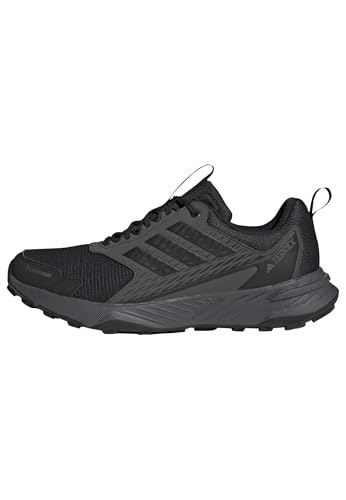
- Climaproof helps with wet, sloppy conditions
- Terrex outsole focus supports technical trail traction
- Good pick for runners who value protection and control
Best For: Runners who face rocky, muddy, or damp terrain and want weather-ready trail support.
Best Barefoot Feel
WHITIN Minimalist Trail Runner

- Wide toe box for natural toe splay
- Flexible minimalist build with ground feel
- Good transition pick for lower-drop running
Best For: Runners who want a barefoot-inspired shoe for light technical trails and natural movement.
Best for Technical Trails
ALTRA Lone Peak 9 Trail Running Shoe

- Roomy toe box for natural toe splay
- Stable feel on rocky, uneven terrain
- Good crossover pick for running and hiking
Best For: Trail runners who want a roomy, natural-feeling shoe for rugged routes and mixed terrain.
Best for Vertical Climbs

- Lightweight build for fast, agile movement
- Secure mid-top fit for technical terrain
- Rubber outsole helps on rocky climbs
Best For: Runners tackling steep approaches, scrambles, and fast mountain routes.
Best for Natural Foot Shape
ALTRA Lone Peak 8 Trail Running Shoe

- Roomy toe box supports natural toe splay
- Reliable traction for rugged trail surfaces
- Balanced cushioning for everyday trail runs
Best For: Runners who want a natural fit and solid grip on technical trails.
Best Budget Trail Trainer
Saucony Men's Excursion TR15 Trail Running Shoe
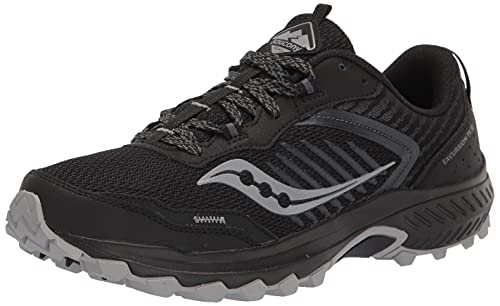
- Affordable trail shoe with practical off-road traction
- Protective build for rocks, roots, and uneven paths
- Comfortable everyday option for mixed terrain runs
Best For: Budget-minded runners who need a reliable shoe for mixed trails and occasional technical sections.
Best for Precision Fit – Speedland GL:SVT Trail Running Shoes
If you want trail running shoes for technical terrain that prioritize precise fit and confident footing, the Speedland GL:SVT is built around a dialed-in closure, responsive cushioning, and a serious outsole package. It is aimed at runners who value control on steep, rocky, and uneven trails over a soft, მაქსიმally cushioned feel.
Best For: Technical trail runners who want a locked-in fit, fast response, and aggressive traction on demanding terrain.
Pros:
- PerformFit BOA dial system helps deliver a secure, adjustable fit
- HTPU beaded foam midsole offers a responsive ride for technical running
- Michelin 6.5mm Fiberlite outsole is designed for strong grip on rough surfaces
- Engineered knit upper adds a more adaptive, comfortable feel
Cons:
- Premium build may put it out of reach for budget-focused buyers
- Specialized design may be more shoe than casual trail runners need
- BOA-based fit can feel less familiar than traditional laces
Overall, the GL:SVT stands out as a purpose-built option for trail running shoes for technical terrain, especially if you care most about fit security, traction, and a responsive underfoot feel on challenging routes.
Best for Wide Feet – WHITIN Minimalist Trail Runner
If you want trail running shoes for technical terrain with a natural feel and extra forefoot room, the WHITIN Men’s Minimalist Trail Runner is a straightforward option to consider. Its wide toe box and barefoot-inspired design suit runners who prefer ground feel, light flex, and a more relaxed fit on uneven trails.
Best For: Runners with wide feet or minimalist-shoe preferences who want a low-profile trail shoe for moderate technical terrain.
Pros:
- Wide toe box gives toes more room to splay on descents and uneven ground
- Barefoot-inspired build encourages a natural, low-to-the-ground ride
- Lightweight feel can help on shorter runs and agile footwork sections
Cons:
- Minimal cushioning may feel harsh on long outings or very rocky trails
- Less protection and support than traditional technical trail shoes
- Fit and ground feel won’t suit runners who want maximum stability
For runners who prioritize foot shape, flexibility, and simplicity, this WHITIN model is a budget-friendly way to approach trail running shoes for technical terrain without the bulk of a conventional trainer. It’s strongest where nimble movement matters more than plush cushioning.
Best for Long-Haul Grip – Arc'teryx Norvan LD 4
If you want trail running shoes for technical terrain that still feel efficient over long miles, the Arc’teryx Norvan LD 4 is built for that exact balance. It combines a secure midfoot hold, protective reinforcement, and a grippy Vibram outsole to help you stay confident on mixed, rough, and muddy trails.
Best For: Runners who want a lightweight, supportive shoe for long-distance efforts on rocky, mixed, and technical trails.
Pros:
- Vibram Megagrip outsole with 4mm lugs offers strong traction on hardpack and soft ground.
- Secure lacing, tongue pocket, and external frame help reduce slip and toe bang.
- PFAS-free upper materials and TPU reinforcements add durability without overbuilding the shoe.
- Lightweight feel with cushioning tuned for extended runs.
Cons:
- Not the softest option if you prefer a max-cushion ride.
- Waterproof build may feel warmer than a highly breathable summer racer.
Overall, the Norvan LD 4 stands out for runners who need trail running shoes for technical terrain with dependable grip, security, and enough cushioning to handle long days outside.
Best for Wet-Weather Grip – Adidas Terrex Tracefinder 2 Climaproof
Adidas Men's Terrex Tracefinder 2 Climaproof Trail Running, Black/Black/Grey, 8
Check Price On AmazonIf you want trail running shoes for technical terrain that also help keep conditions from derailing your run, the Adidas Terrex Tracefinder 2 Climaproof is built for mixed-weather outings and rough, uneven paths. It’s a practical pick for runners who need dependable protection, traction, and a secure feel when the trail gets unpredictable.
Best For: Runners tackling rocky, muddy, or damp trails who want added weather protection and stable footing.
Pros:
- Climaproof design adds weather resistance for wet or changeable conditions
- Terrex trail build is aimed at grip and confidence on uneven ground
- Useful for technical routes where footing and protection matter most
Cons:
- Weather-focused design may feel less breathable on hot days
- Not the lightest option if you prioritize speed over protection
Overall, this is a solid choice if your trail running shoes for technical terrain need to handle rain, mud, and tricky surfaces without feeling overly specialized. It’s geared more toward dependable control than race-day speed.
Best Barefoot Feel – WHITIN Minimalist Trail Runner
If you want trail running shoes for technical terrain with a more natural underfoot feel, this WHITIN minimalist model is built around a wide toe box and low-profile design. It’s a practical pick for runners who prefer ground connection, flexibility, and room up front rather than heavy cushioning.
Best For: Runners who like a barefoot-inspired fit for light technical trails, rocky paths, and training sessions where ground feel matters more than max cushion.
Pros:
- Wide toe box gives toes room to splay on uneven ground
- Minimalist, flexible build supports a natural stride
- Good option for runners transitioning toward a lower-drop feel
Cons:
- Less cushioning than traditional trail shoes
- May not suit runners who want maximum protection on long descents
Overall, this is a niche but useful choice among trail running shoes for technical terrain if you value agility, foot freedom, and a close-to-the-ground ride over plush comfort.
Best for Hiking-Style Grip – adidas Terrex Anylander Hiking Shoes
If you want trail running shoes for technical terrain that lean more toward dependable traction and everyday durability than race-day speed, the adidas Men’s Terrex Anylander Hiking Shoes are a practical crossover option. They make the most sense for runners and hikers who want a stable, grippy feel on rough paths, rocky approaches, and mixed-surface outings.
Best For: Mixed-use runners and hikers who prioritize traction, stability, and all-day comfort over a super-light racing feel.
Pros:
- Trail-focused grip helps on uneven, loose, and rocky ground
- Durable build suits frequent use on rugged routes
- Comfortable crossover design works for hiking and casual trail outings
- Good choice if you want one shoe for varied outdoor conditions
Cons:
- Not as nimble as dedicated running shoes for speed work
- May feel more hiking-oriented than a pure trail runner
- Less ideal for runners who want a very soft, cushioned ride
Overall, this is a solid pick if you need trail running shoes for technical terrain but value grip and durability more than a fast, minimalist ride. It’s better suited to steady miles and rugged trail use than aggressive racing.
Best for Technical Trails – ALTRA Lone Peak 9 Trail Running Shoe
If you want trail running shoes for technical terrain that prioritize stability, ground feel, and natural foot movement, the ALTRA Lone Peak 9 is a strong option. It’s built for runners who spend time on uneven singletrack, rocky descents, and mixed trail conditions where a secure ride matters more than max cushioning.
Best For: Trail runners who want a roomy, natural-feeling shoe for rugged routes, long hikes, and everyday trail mileage.
Pros:
- Roomy toe box helps toes splay naturally on steep and technical terrain
- Balanced underfoot feel supports confident footing on uneven trails
- Versatile enough for running, hiking, and all-day outdoor use
Cons:
- Not the best choice if you want a highly cushioned, plush ride
- Zero-drop geometry can take adjustment for runners used to traditional shoes
Overall, the Lone Peak 9 is a practical pick for runners who value control and natural movement over soft cushioning. For trail running shoes for technical terrain, it stands out as a reliable do-it-all model that feels at home on rough, variable ground.
Best for Vertical Climbs – Arc'teryx Vertex Speed
Built for fast, precise movement, the Arc’teryx Vertex Speed is a lightweight option for trail running shoes for technical terrain where secure footing and agility matter more than plush cushioning. Its mid-top profile, rubber outsole, and snug lace-up fit make it a practical pick for steep approaches, scrambles, and mixed mountain routes.
Best For: Runners and mountain athletes who want a fast, supportive shoe for steep trails, vertical climbs, and technical approaches.
Pros:
- Lightweight design supports quick, efficient movement on demanding terrain
- Mid-top fit and lace-up closure help create a secure, locked-in feel
- Rubber outsole adds dependable grip for rocky trails and climbs
- EVA insole offers basic cushioning without adding much bulk
Cons:
- Less suited to long-distance comfort than more cushioned trail shoes
- Technical, performance-first design may feel narrow for some runners
- Not the best choice if you want a soft, highly cushioned ride
For runners who prioritize speed and precision over comfort-focused padding, the Vertex Speed stands out as a specialized option among trail running shoes for technical terrain. It is best viewed as a mountain-ready tool for climbing, scrambling, and fast-moving adventures rather than an all-day cruiser.
Best for Natural Foot Shape – ALTRA Lone Peak 8 Trail Running Shoe
The ALTRA Men’s Lone Peak 8 is a smart pick for trail running shoes for technical terrain if you want a roomier toe box, a stable ride, and confident traction on uneven ground. It’s built to handle rocky, root-filled, and loose-surface trails without feeling overly bulky.
Best For: Runners who prefer a natural foot shape fit and need dependable grip for rugged trail miles.
Pros:
- Wide toe box allows toes to spread naturally on descents and climbs
- Grippy outsole helps maintain traction on rocks, dirt, and mixed trail conditions
- Balanced cushioning supports longer efforts without feeling overly soft
- Versatile enough for daily training and moderate technical terrain
Cons:
- Roomy fit may feel too loose for runners who prefer a snug performance shoe
- Zero-drop geometry can take time to adapt to if you are used to traditional shoes
For runners shopping trail running shoes for technical terrain, the Lone Peak 8 stands out for its natural fit and dependable all-around trail performance. It’s a strong choice if you value comfort and control more than an aggressive, race-day feel.
Best Budget Trail Trainer – Saucony Men's Excursion TR15 Trail Running Shoe
If you want affordable trail running shoes for technical terrain without going overboard on features, the Saucony Men’s Excursion TR15 is a practical place to start. It focuses on dependable traction and a protective ride that can handle uneven dirt, gravel, and light rocky sections while keeping the price accessible.
Best For: Budget-minded runners who need a simple, versatile trail shoe for mixed off-road routes and occasional technical sections.
Pros:
- Grippy outsole helps maintain traction on loose and uneven terrain
- Protective upper and toe coverage add confidence on rough trails
- Comfortable, easygoing ride that works well for everyday training
- Solid value for runners who do not need a highly specialized shoe
Cons:
- Not as aggressive as higher-end shoes built for very steep or muddy terrain
- May feel basic compared with more premium trail models
Overall, the Excursion TR15 is a sensible choice if you want trail running shoes for technical terrain at a lower price point. It is not the most advanced option, but it covers the essentials well for runners who prioritize value and reliability over elite-level performance features.
How We Picked the Best Trail Running Shoes for Technical Terrain
We focused on Trail Running Shoes for Technical Terrain that prioritize traction, stability, protection, and a secure midfoot hold. We also considered stack height, outsole aggressiveness, rock protection, toe box shape, and whether the shoe suits fast efforts, long runs, or all-day mountain use.
Quick Comparison
Some models in this roundup are built for precision and speed, while others lean toward comfort and versatility. If you want maximum ground feel and control, a lower-profile shoe may be the better fit. If you want more cushioning for longer outings, look for a model with a more forgiving platform and protective underfoot feel.
Key Buying Factors for Trail Running Shoes for Technical Terrain
Traction and Outsole Design
Look for lugs that can bite into loose dirt, scree, mud, and wet rock. A sticky rubber compound and well-spaced tread pattern can improve grip and help shed debris.
Stability and Foot Placement
Technical trails punish unstable shoes. A secure heel, controlled midsole, and a platform that resists rolling can help on uneven ground, sidehill traverses, and quick direction changes.
Protection Vs. Ground Feel
More rock protection helps on sharp, jagged routes, but too much cushioning can dull terrain feedback. Decide whether you want a more connected ride or extra underfoot defense for longer mountain days.
Fit and Toe Box Shape
Some runners prefer a roomier toe box for swelling, descents, and toe splay; others want a tighter, more locked-in fit for precision. The best choice depends on your foot shape and how aggressively you move on trail.
Upper Lockdown and Closure System
On technical ground, secure lacing matters. A locked-in upper helps reduce foot slide during climbs and descents, especially when the route gets steep or off-camber.
Who Should Buy Which Trail Running Shoes for Technical Terrain?
If you run steep, rocky routes and want a precise, aggressive feel, choose a more performance-oriented model with strong lockdown and traction. If you cover longer distances or mixed mountain terrain, look for a balanced shoe with better cushioning and protection. Runners who prefer natural foot shape and extra toe room may gravitate toward wider, minimalist-style options, while those seeking a more traditional fit may prefer a conventional trail runner with a softer, more familiar ride.
