
Finding womens running shoes for metatarsalgia means balancing cushioning, forefoot comfort, and stable support without adding unnecessary bulk. The right pair can help reduce pressure on the ball of the foot and make walking or running feel more manageable.
In this roundup, we focus on shoes and one supportive insert option that prioritize shock absorption, fit, and practicality for everyday use.
Best 10 Womens Running Shoes for Metatarsalgia Picks for 2026
Metatarsal Relief Pad

- Cushions the ball of the foot
- Adds medium arch support
- Reusable and lightweight for shoes
Best For: Added forefoot relief inside existing shoes
Neutral Comfort Pick

- Soft DNA LOFT v3 cushioning
- Extra forefoot foam for comfort
- Breathable mesh and smooth transitions
Best For: Neutral runners wanting plush everyday comfort
Maximum Cushion Option
Skechers Max Cushioning Elite 2.0

- Ultra Go max cushioning
- Air-Cooled Goga Mat insole
- Machine washable and breathable
Best For: Maximum softness for running and walking
Trail-Ready Comfort
Saucony Excursion Tr16 for Women

- Protective underfoot feel
- Secure, comfy upper
- Stable and versatile for running and hiking
Best For: Women who want a stable, protective shoe for mixed runs and light trails
Best for Everyday Use
Skechers Max Cushioning Endeavour Canova

- Maximum cushioning for comfort and support
- Lightweight, responsive midsole
- Rocker design helps smooth transitions
Best For: Women who prioritize maximum cushioning for running or walking
Responsive Cushioning Pick
ASICS NOVABLAST 5 for Road-Friendly Bounce

- Maximum FF BLAST MAX cushioning
- Breathable engineered jacquard mesh upper
- Responsive trampoline-inspired outsole
Best For: Runners wanting a cushioned, energetic daily trainer
Foot-Health Road Shoe
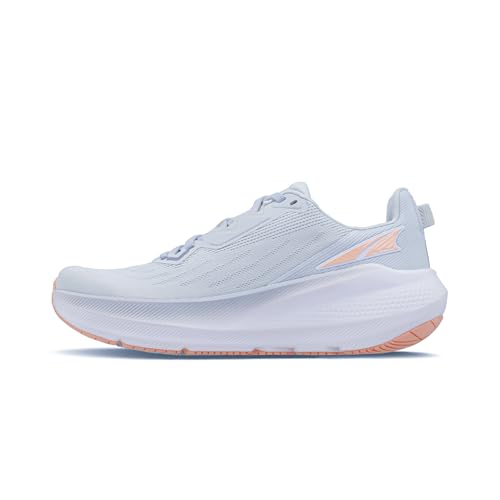
- APMA Seal of Acceptance
- Altra EGO FLO foam for soft cushioning
- Rocker shape supports efficient toe-off
Best For: Runners seeking comfort, cushioning, and a smooth road feel
Smooth-Rolling Max Cushion
ASICS GLIDERIDE MAX for Easy Miles
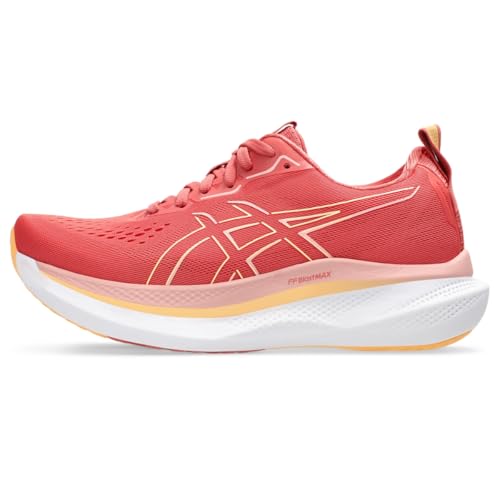
- GUIDESOLE helps create smooth toe-offs
- FF BLAST MAX cushioning with soft energy return
- OrthoLite X-55 sockliner for step-in comfort
Best For: Runners wanting a smooth, cushioned shoe for easy miles
Metatarsal Relief Pad – HAPAD Medium Foot Pads
If you need womens running shoes for metatarsalgia but want to keep your current pair, these Hapad metatarsal pads are a practical add-on. They’re designed to cushion the ball of the foot, add medium arch support, and fit inside shoes for everyday wear, making them a simple way to improve comfort during runs or long walks.
Best For: Runners and walkers who want added ball-of-foot cushioning and medium arch support inside existing shoes.
Pros:
- Cushions the metatarsal area to help relieve ball-of-foot pressure.
- Medium arch support can add structure without changing to a new shoe.
- Reusable, lightweight, and made to fit inside footwear.
- Unisex design works for both women and men.
Cons:
- Not a full shoe replacement if you need total underfoot cushioning.
- Works only when placed correctly inside the shoe.
For shoppers focused on metatarsalgia relief, these pads are a targeted solution rather than a running shoe. They’re best when you like your current fit but want extra support where the forefoot needs it most.
Neutral Comfort Pick – Brooks Ghost 17
Brooks Women’s Ghost 17 Neutral Running Shoe - White/Black/Rose Gold - 10 Medium
Check Price On AmazonThe Brooks Women’s Ghost 17 is a strong option for womens running shoes for metatarsalgia if you want neutral cushioning with a smooth ride. It uses nitrogen-infused DNA LOFT v3 cushioning, has a breathable mesh upper, and adds extra cushioning in both the heel and forefoot for everyday running or walking comfort.
Best For: Neutral runners and walkers who want soft, reliable cushioning and a comfortable forefoot feel.
Pros:
- Premium DNA LOFT v3 cushioning delivers soft, lightweight comfort.
- Extra 3mm in the forefoot may feel more forgiving under pressure.
- Breathable double jacquard air mesh upper helps keep feet cool.
- APMA Seal of Acceptance and PDAC A5500 diabetic shoe certification.
Cons:
- Neutral support may not be ideal if you need stability features.
- Not water resistant.
This is a well-rounded daily trainer for runners who prioritize softness and smooth transitions. If your metatarsalgia symptoms respond well to cushioning rather than corrective support, the Ghost 17 is an easy shoe to consider.
Maximum Cushion Option – Skechers Max Cushioning Elite 2.0
For womens running shoes for metatarsalgia, the Skechers Max Cushioning Elite 2.0 stands out if you want a very soft underfoot feel. It combines Ultra Go cushioning with an Air-Cooled Goga Mat insole, plus a max-cushion platform and rocker-style transition features designed to smooth out each step.
Best For: Women who want maximum cushioning and a roomy comfort-focused trainer for running or walking.
Pros:
- Maximum cushioning can help reduce harsh impact under the forefoot.
- Air-Cooled Goga Mat insole adds support and comfort.
- Natural Rocker Technology supports smoother transitions.
- Breathable mesh upper and machine-washable design add convenience.
Cons:
- Built for comfort first, not a performance racing feel.
- Thicker platform may feel bulkier than lighter trainers.
If your top priority is soft cushioning over a responsive ride, this Skechers model is a sensible pick. It’s especially appealing for runners and walkers who want a forgiving shoe for everyday use.
Supportive Stability Choice – Brooks Adrenaline GTS 25
The Brooks Women’s Adrenaline GTS 25 is a supportive running and walking shoe that can be a smart fit for womens running shoes for metatarsalgia when you want more structure. Its GuideRails support system helps control excess movement, while DNA LOFT v3 cushioning adds soft, dynamic comfort for mile-after-mile wear.
Best For: Women who want supportive guidance and cushioned comfort in a daily running or walking shoe.
Pros:
- GuideRails system provides holistic support and helps keep motion in check.
- DNA LOFT v3 cushioning adds a soft, comfortable ride.
- Breathable engineered mesh upper supports a secure fit.
- APMA Seal of Acceptance and PDAC A5500 diabetic shoe certification.
Cons:
- Supportive design may feel more structured than a neutral shoe.
- Not water resistant.
For shoppers who need both cushioning and stability, the Adrenaline GTS 25 offers a balanced setup. It’s a practical choice if your forefoot pain feels better with guided support rather than a soft neutral ride alone.
Trail-Ready Comfort – Saucony Excursion Tr16 for Women
If you’re shopping for womens running shoes for metatarsalgia, the Saucony Women’s Excursion Tr16 Trail Runners are worth a look for their protective underfoot feel and moderate cushioning. This trail-focused pair is built to feel secure, stable, and comfortable, with a softer ride than before and a versatile design that can handle running and hiking.
Best For: Women who want a stable, protective shoe for runs, walks, and light trail use.
Pros:
- Protective underfoot feel can help reduce harsh ground contact.
- Comfy, secure upper adds confidence during movement.
- Surprisingly stable and versatile for running and hiking.
- Softer than before while still staying light for a maximal shoe.
Cons:
- Trail-oriented build may be more than some road-only runners need.
- Moderate cushioning may not satisfy those wanting maximum softness.
- Not water resistant.
Overall, the Excursion Tr16 stands out if you want a secure, protective option that leans practical rather than plush. It looks especially appealing for runners who want one shoe that can cover everyday mileage and light outdoor use.
Best for Everyday Use – Skechers Max Cushioning Endeavour Canova
For womens running shoes for metatarsalgia, the Skechers Women’s Max Cushioning Endeavour Canova is an easy shoe to consider if cushioning is your top priority. It uses a maximum-cushion design, a lightweight responsive midsole, and a breathable Air-Cooled Goga Mat insole to create a soft, supportive feel for running or walking.
Best For: Women seeking maximum cushioning and smooth transitions for running or walking.
Pros:
- Maximum cushioning design for exceptional comfort and support.
- ULTRA LIGHT midsole adds responsive cushioning without feeling heavy.
- NRT rocker technology supports smooth heel-to-toe transitions.
- Machine washable for easier care.
Cons:
- Maximum-cushion build may feel bulky to runners who prefer a firmer ride.
- Not water resistant.
- Primarily geared toward comfort rather than performance racing.
If you want a cushioned daily option with a breathable insole and a smooth transition underfoot, this Skechers model is a strong comfort-first pick. It fits best when softness and support matter more than speed.
Balanced Everyday Ride – Brooks Revel 8 Neutral Shoe
If you want womens running shoes for metatarsalgia that feel supportive without going overboard, the Brooks Women’s Revel 8 is a practical neutral option. It uses adaptable DNA Loft v2 cushioning to help soften impact, a breathable engineered mesh upper, and a lightweight RoadTack outsole for a smooth, distraction-free ride.
Best For: Neutral runners and walkers who want a balanced, breathable everyday shoe.
Pros:
- DNA Loft v2 cushioning adapts to your stride, weight, and speed.
- Breathable mesh upper helps keep feet cool.
- APMA Seal of Acceptance adds reassurance.
- Lightweight RoadTack outsole offers traction and responsiveness.
Cons:
- Moderate to high cushioning is not as plush as maximum-cushion models.
- Not water resistant.
- Neutral build may not suit runners needing extra corrective support.
The Revel 8 is a solid all-around choice if you want comfort, breathability, and a smooth ride in a shoe that can also work off the run. It is especially appealing for everyday wearers who prefer a lighter, more versatile feel.
Responsive Cushioning Pick – ASICS NOVABLAST 5 for Road-Friendly Bounce
If you want womens running shoes for metatarsalgia that feel soft under the forefoot without sacrificing a lively ride, the ASICS NOVABLAST 5 is a strong cushioning-first option. Its FF BLAST MAX midsole is built for maximum cushioning, while the trampoline-inspired outsole adds a more responsive bounce back for daily runs.
Best For: Runners who want a highly cushioned, energetic shoe for athletic use and road miles.
Pros:
- FF BLAST MAX cushioning delivers a maximum-cushion feel.
- Trampoline-inspired outsole is designed for responsive bounce back.
- Engineered jacquard mesh upper supports breathability.
- Tongue wing construction helps improve fit and reduce tongue movement.
Cons:
- Not water resistant.
- Lace-up design has no adjustability feature.
This model leans into soft, energetic cushioning with a breathable upper, making it a practical choice when forefoot comfort matters. If you prefer a more cushioned and lively ride for running, it fits the brief well.
Foot-Health Road Shoe – ALTRA FWD VIA with APMA Seal
For shoppers comparing womens running shoes for metatarsalgia, the ALTRA FWD VIA stands out for its APMA Seal of Acceptance and its cushioned, rocker-shaped ride. The Altra EGO FLO midsole foam is designed to feel lightweight and soft underfoot, while the rocker shape supports an efficient toe-off without taking away from your natural stride.
Best For: Runners who want a foot-health-focused road shoe with soft cushioning and smooth transitions.
Pros:
- APMA Seal of Acceptance for products found to promote good foot health.
- Altra EGO FLO foam provides a lightweight, soft underfoot feel.
- Rocker shape is designed for an efficient toe-off.
- Maximum cushioning level suits runners seeking more underfoot comfort.
Cons:
- Not water resistant.
- Low-top build may offer less coverage than higher-cut styles.
This is the most foot-health-oriented pick in the group, with a comfort-forward platform and a smooth, guided feel. If you want cushioning plus a shape designed to help you roll through each step, it is easy to shortlist.
Smooth-Rolling Max Cushion – ASICS GLIDERIDE MAX for Easy Miles
If you need womens running shoes for metatarsalgia and prefer a smooth, guided transition, the ASICS GLIDERIDE MAX is built around that kind of ride. GUIDESOLE technology is designed to create smooth toe-offs and advanced energy savings, while FF BLAST MAX cushioning adds a cloud-like softness with responsive energy return.
Best For: Runners who want maximum cushioning with a smooth toe-off and easy-miles feel.
Pros:
- FF BLAST MAX cushioning offers a soft, energetic midsole.
- GUIDESOLE technology supports smooth toe-offs.
- OrthoLite X-55 sockliner adds soft step-in comfort.
- Engineered mesh upper improves breathability.
Cons:
- Not water resistant.
- Lace-up construction has no adjustability feature.
Compared with a standard cushioned trainer, this shoe adds a more guided rolling sensation that may appeal to runners who want less abrupt transitions. It is a solid option when you want softness, breathability, and an easy forward feel.
How We Picked the Best Womens Running Shoes for Metatarsalgia
We focused on models that can help reduce forefoot irritation through cushioning, rocker-style transitions, roomy toe boxes, supportive midsoles, and overall comfort. Because Womens Running Shoes for Metatarsalgia are not one-size-fits-all, we included both neutral and stability options, plus a metatarsal pad for people who want added localized relief.
We also looked at whether each option makes sense for running, walking, or all-day wear, since many buyers need something versatile rather than a race-day shoe.
Quick Comparison
Think of the lineup in three broad groups: maximum cushioning shoes for the softest underfoot feel, stability shoes for extra guidance, and roomier or more naturally shaped options for forefoot comfort. Trail-focused models can work if you need grip and durability, but they are usually less ideal than road shoes for pure metatarsal comfort.
Key Buying Factors for Womens Running Shoes for Metatarsalgia
Cushioning and Forefoot Pressure
Look for midsoles that absorb impact without feeling harsh at toe-off. A softer forefoot can help, but too much instability may create other discomfort. The best balance is usually a cushioned platform with a smooth transition.
Fit, Toe Box, and Upper Shape
A cramped forefoot can aggravate metatarsal pain. Prioritize enough width in the toe box and a secure midfoot hold so your toes can spread naturally while the shoe still feels controlled.
Support Type
Neutral shoes suit runners who do not need guidance, while stability shoes may help if you overpronate or want a steadier ride. If your pain changes with fatigue, a more supportive model can feel better late in the day.
Drop and Rocker Feel
Some people with metatarsalgia prefer a slightly higher heel-to-toe drop or a rocker-like transition because it can reduce bending at the forefoot. Others prefer a more natural geometry. Comfort should guide the final choice.
Use Case
The best Womens Running Shoes for Metatarsalgia depend on whether you run, walk, stand for long periods, or need one pair for all three. Trail shoes, for example, make sense only if you actually need off-road traction.
Who Should Buy Which Womens Running Shoes for Metatarsalgia?
If you want the softest everyday feel, choose a max-cushion road shoe. If you need extra stability, go with a supportive trainer. If your main issue is localized ball-of-foot pressure, a metatarsal pad may complement your current shoes or improve fit inside a favorite pair.
Runners who value a more natural toe splay may prefer roomier designs, while walkers and all-day wearers should prioritize comfort, predictable support, and an upper that does not press on sensitive areas. For many buyers, the best result comes from matching the shoe’s geometry to the way their feet feel after several hours, not just a short test walk.
