
If you want better ground feel, natural foot positioning, and room to splay under load, zero-drop shoes can be a smart choice for obstacle course racing.
Below, we focus on pairs that balance traction, durability, fit, and training versatility so you can choose the right option for race day and prep work.
Best 10 Zero Drop Shoes for Obstacle Course Racing Picks for 2026
Natural Strength Trainer

- Zero-drop, flat-heel training shoe
- Engineered traction for hard ground
- Breathable mesh with minimal cushioning
Best For: Minimalist training and hard-ground obstacle work
Wide-Toe Trail Pick
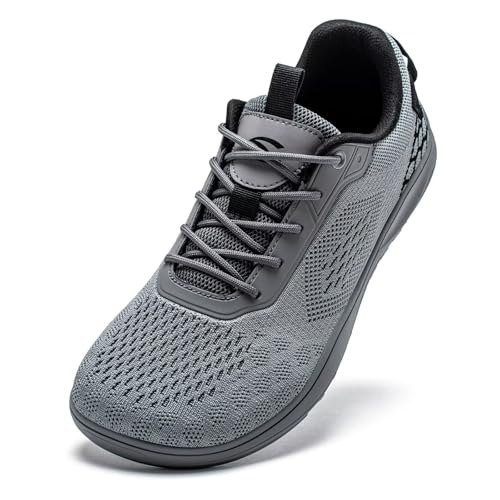
- Wide toe box for natural splay
- Flat, lightweight minimalist build
- Rubber outsole with defined tread
Best For: Casual trail use and easy-wear minimalist comfort
Transition Pick
WHITIN Men’s Zero Drop Running Shoes for Daily Runs

- Wide toe box for natural toe splay
- Rubber outsole for grip and traction
- Slightly more cushion for easier transition
Best For: Beginners wanting a comfortable zero-drop trainer
Trail Specialist
Xero Shoes Mesa Trail 2 Barefoot Trail Running Shoe

- 3.5 mm chevron lugs for trail grip
- Lightweight barefoot design for agility
- Secure fit with mesh, straps, and welded panels
Best For: Trail-heavy obstacle racers needing traction
Cross-Training Pick
ASITVO Wide Barefoot Cross Trainer

- Zero-drop sole for stable ground contact
- Wide toe box with minimal barefoot feel
- Textured rubber outsole for grip
Best For: Gym-focused racers and mixed training
Women’s Wide Minimalist Trail Fit
WHITIN Women’s Wide Barefoot Trail Runner

- Wide toe box for natural toe splay
- Zero drop sole for a grounded feel
- 3mm trail lugs for wet/dry traction
Best For: Women seeking a wide minimalist shoe for trail training and OCR
Wide Urban Minimalist Grip
ASITVO Wide Men’s Barefoot Trainer

- Wide toe box reduces toe pressure
- Zero drop sole for natural posture
- Textured rubber outsole for grip and durability
Best For: Men wanting a wide minimalist trainer for OCR-style cross-training
Natural Strength Trainer – Vivobarefoot Motus Strength
If you want zero drop shoes for obstacle course racing that emphasize ground feel and natural movement, the Vivobarefoot Motus Strength is built for hard-ground training and cross-training. Its minimalist setup, breathable mesh upper, and engineered traction are aimed at athletes who want mobility, stability, and a more connected feel underfoot.
Best For: Athletes who want a minimalist, zero-drop shoe for training, cross-training, and hard-ground obstacle work.
Pros:
- Zero-drop, flat heel design supports a natural stance.
- Motus Strength outsole is made for engineered traction on hard ground.
- Breathable mesh helps keep the shoe lightweight and comfortable.
- Performance insole uses 98% recycled polyurethane foam.
Cons:
- Not water resistant.
- Cushioning is minimal, so it will feel sparse to some buyers.
- Best suited to training and hard-ground use rather than heavy weather protection.
This is a strong pick if you prioritize natural motion and a low-profile feel over plush cushioning. It looks especially well matched to obstacle course racing where traction, mobility, and a secure training feel matter more than softness.
Barefoot All-Rounder – Xero Prio Minimalist Sneaker
The Xero Shoes Prio is a practical option if you’re shopping for zero drop shoes for obstacle course racing and want one shoe that can also handle gym work and trail running. Its minimalist construction, wide toe box, Huarache-inspired straps, and optional 3mm insole are all about natural motion with a customizable barefoot feel.
Best For: Racers and trainers who want a versatile minimalist shoe with a secure fit and wide toe box.
Pros:
- Zero-drop, minimalist design supports natural movement.
- Wide toe box gives toes room to spread.
- Huarache-inspired straps add a more secure feel.
- Optional 3mm insole lets you tune the barefoot sensation.
Cons:
- Not water resistant.
- Cushioning is minimal, so impact protection is limited.
- More of an all-purpose minimalist shoe than a specialized OCR model.
The Prio stands out for versatility and a grounded ride, which makes it appealing if you split time between obstacle training, lifting, and light trail running. The 5,000-mile sole warranty also adds confidence for buyers focused on long-term value.
Wide-Toe Trail Pick – HOBIBEAR Minimalist Slip-On
For buyers comparing zero drop shoes for obstacle course racing, the HOBIBEAR Minimalist Barefoot Shoe offers a wide toe box, flat heel, and grippy rubber outsole in a lightweight slip-on format. It is positioned more as a versatile trail and everyday shoe, but the spacious fit and traction-focused tread can still appeal to low-profile training needs.
Best For: Walkers and casual trail runners who want a wide-toe, minimalist shoe with easy on-and-off wear.
Pros:
- Wide toe box allows natural toe spread.
- Rubber outsole has defined tread for steadier traction.
- Breathable, lightweight construction may reduce foot fatigue.
- Slip-on design is simple and convenient.
Cons:
- Pull-on closure may not feel as locked in as lace-up training shoes.
- Not water resistant.
- More casual in focus than the more training-specific options here.
This shoe makes sense if you value comfort, room in the toe area, and easy wear over a tightly tuned race fit. For obstacle racing, the slip-on format is the biggest tradeoff, but the flat, minimalist build keeps it in the conversation.
Locked-In Training Shoe – Xero 360 Barefoot Trainer
The Xero Shoes 360 is a strong fit if you’re looking for zero drop shoes for obstacle course racing with more of a training-shoe structure. It combines a wide toe box, zero-drop platform, omnidirectional tread, and internal tensioning strap system, giving it a more secure and protective feel than many purely minimalist options.
Best For: Athletes who want a barefoot-style training shoe with lockdown, traction, and added protection.
Pros:
- Zero-drop, barefoot-inspired design supports natural posture.
- Internal tensioning strap system helps provide lockdown.
- Full-coverage omnidirectional tread adds traction.
- Rubber inlays on the vamp add extra protection.
Cons:
- Not water resistant.
- Cushioning level is minimal.
- Fit-to-size sentiment is listed as neutral, so sizing feedback is less definitive.
This model is the most training-focused of the group, making it a practical choice when you want a grounded ride but also want structure and traction. The added upper protection and lugs make it especially relevant for varied terrain and obstacle-style sessions.
Transition Pick – WHITIN Men’s Zero Drop Running Shoes for Daily Runs
If you want zero drop shoes for obstacle course racing but are still easing into the minimalist feel, this WHITIN pair is a practical entry point. The wide toe box, rubber outsole, and breathable mesh upper are built for comfort, grip, and ventilation, while the slightly more cushioned ride makes the transition easier than a true barefoot shoe.
Best For: Runners who want a beginner-friendly zero-drop option with extra toe room and a bit more cushion.
Pros:
- Rubber outsole offers solid traction and grip.
- Wide toe box gives toes room to splay naturally.
- Zero-drop platform supports a more natural foot position.
- Breathable mesh helps keep feet cool and dry.
Cons:
- Not water resistant, so wet-course use may be limited.
- More cushioned than many barefoot shoes, which may not suit purists.
Overall, this is the most approachable option in the group if you want a smoother move toward minimalist footwear. It makes sense for obstacle racing training, daily runs, and anyone who values comfort along with the zero-drop setup.
Trail Specialist – Xero Shoes Mesa Trail 2 Barefoot Trail Running Shoe
Xero Shoes Men’s Mesa Trail 2 Barefoot Trail Running Shoe, Fallen Rock/Black, 13
Check Price On AmazonFor zero drop shoes for obstacle course racing on mixed terrain, the Xero Shoes Mesa Trail 2 is the most trail-ready pick here. It combines a lightweight barefoot build with a wide toe box, zero-drop alignment, and a FeelTrue outsole with 3.5 mm chevron lugs for dependable traction on rocky, muddy, or gravel surfaces.
Best For: Athletes who want a lightweight zero-drop trail shoe with strong grip and a secure fit.
Pros:
- 3.5 mm chevron lugs provide rugged all-terrain traction.
- Lightweight design supports agility and quick movement.
- Wide toe box and zero-drop setup promote natural movement.
- Mesh upper, welded panels, and tension straps add secure lockdown.
Cons:
- Minimalist cushioning may feel too sparse for some runners.
- Designed for trail use, so it may be more shoe than needed for simple gym workouts.
If your obstacle race includes dirt, mud, gravel, and rough footing, this model is the strongest all-terrain choice of the three. It is built for stable ground connection and long-term durability, which makes it a serious training companion.
Cross-Training Pick – ASITVO Wide Barefoot Cross Trainer
If your search for zero drop shoes for obstacle course racing leans more toward gym work, short runs, and mixed training, this ASITVO cross trainer fits well. It uses a zero-drop sole, wide toe box, and non-slip textured rubber outsole, plus a seamless knit upper with TPU overlays for a stable minimalist feel.
Best For: Cross-training athletes who want a grippy, wide-fit zero-drop shoe for workouts and short runs.
Pros:
- Zero-drop design supports a natural stance and stable ground contact.
- Wide toe box helps reduce friction and improve comfort.
- Textured rubber sole is built for grip and abrasion resistance.
- TPU heel and overlays add structure and support.
Cons:
- Minimal cushioning may not suit runners who want more impact protection.
- Runs slightly large, so sizing may need attention.
This is the best pick if your obstacle race prep happens mostly in the gym and on hard surfaces, rather than on technical trails. It favors ground feel, stability, and a wide fit over plush comfort.
Women’s Wide Minimalist Trail Fit – WHITIN Women’s Wide Barefoot Trail Runner
If you’re shopping for zero drop shoes for obstacle course racing, this WHITIN women’s model is built for a grounded, natural feel on mixed terrain. The wide toe box, zero drop sole, and 3mm dual-directional trail lugs make it a practical option when you want more balance, better toe splay, and reliable traction during runs, carries, and light training.
Best For: Women who want a wide, minimalist trail shoe with a close-to-ground feel for obstacle course training and casual trail use.
Pros:
- Wide toe box supports natural toe splay and freer movement.
- Zero drop sole helps promote a natural gait and terrain connection.
- 3mm dual-directional trail lugs provide stability on wet and dry ground.
- Lightweight mesh upper adds mobility with supportive overlays.
Cons:
- Not water resistant, so wet obstacles may soak through.
- Minimal cushioning may feel too sparse for runners who prefer more underfoot padding.
- Designed more for trail-style movement than heavy-duty protection.
This is a solid minimalist pick if you value ground feel, toe room, and traction over cushioning. For obstacle course racing, it makes the most sense for athletes who want a flexible shoe that stays close to the terrain.
Men’s Barefoot Training Ground Feel – AIRHAS Zero Drop Barefoot Trainer
For buyers comparing zero drop shoes for obstacle course racing, this AIRHAS trainer focuses on ground feedback, toe space, and versatile traction. The anatomical toe box, zero drop platform, and lugged outsole are designed to support quick transitions in cross-training, trail running, and indoor or outdoor workouts.
Best For: Men who want a breathable barefoot-style trainer for OCR prep, cross-training, and everyday active use.
Pros:
- Zero drop design improves ground connection and stability.
- Anatomical toe box gives toes more room to spread naturally.
- Lightweight mesh upper helps airflow and moisture management.
- Lugged outsole adds traction for trails, sidewalks, or indoor training.
Cons:
- Not water resistant, so it’s not ideal for wet obstacle-heavy conditions.
- Moderate cushioning may not suit runners wanting a softer ride.
- Best fit is noted for men, which limits versatility for some buyers.
This is a straightforward barefoot-style option if you want flexibility, toe room, and a stable feel for training. It’s especially appealing if you’re building foot strength and prefer a shoe that keeps transitions quick and natural.
Wide Urban Minimalist Grip – ASITVO Wide Men’s Barefoot Trainer
When you’re narrowing down zero drop shoes for obstacle course racing, this ASITVO minimalist trainer stands out for its wide toe box, low-to-ground platform, and textured rubber outsole. The no-sew mesh upper with TPU overlays aims to balance breathability, flexibility, and protection, which can be useful for training sessions that mix running, climbing, and gym work.
Best For: Men who want a wide, lightweight minimalist shoe for cross-training, climbing, and trail-focused workouts.
Pros:
- Zero drop sole supports a more natural posture and stable feel.
- Wide toe box allows toes to spread naturally and reduces friction.
- Textured rubber sole is designed for grip and durability on hard surfaces.
- TPU toe overlay and seamless upper add protection and structure.
Cons:
- Not water resistant, so it may not be the best choice for soaked courses.
- Minimal cushioning may be too bare for runners who want more shock absorption.
- Platform height is listed, so it may feel less purely minimalist than some zero-drop competitors.
This model is a practical training shoe if you want roomier toe space and a stable, flexible base. It fits well as a cross-training and climbing-friendly option for athletes who like a grounded ride without extra bulk.
How We Picked These Zero Drop Shoes for Obstacle Course Racing
We prioritized models that make sense for OCR conditions: secure fit, flexible but protective soles, wide toe boxes, reliable outsole grip, and materials that can handle wet ground, walls, carries, and repeated training miles. We also favored options that work beyond race day, since the best Zero Drop Shoes for Obstacle Course Racing should be useful for runs, gym sessions, and functional training.
Quick Comparison: What Each Type Does Best
Among this group, some shoes lean more toward trail grip and race-day traction, while others are better as stable trainers or minimalist transition shoes. If you want a more grounded feel and maximum toe freedom, choose the more minimalist end of the list. If you’re newer to zero-drop footwear, a slightly more structured trainer can make the transition easier without giving up the core benefits.
Key Buying Factors for Zero Drop Shoes for Obstacle Course Racing
Traction and Outsole Design
OCR surfaces change constantly, so look for lugs and rubber compounds that can handle mud, wet grass, packed dirt, and slick obstacles. Deep, aggressive tread helps outdoors, while a flatter but grippy sole can be better for mixed training.
Toe Box Shape and Midfoot Security
A roomy toe box helps with balance, descents, and foot swelling during long events. At the same time, the shoe should lock down through the midfoot and heel so you don’t slide around during climbs, crawls, or rope work.
Ground Feel Versus Protection
More ground feel can improve agility and awareness, but you still need enough protection from rocks, roots, and obstacle edges. For most racers, the sweet spot is a flexible sole with moderate cushioning rather than an ultra-thin build.
Drainage, Drying, and Upper Durability
OCR shoes get soaked. Materials that shed water quickly and dry fast are a major advantage, especially when a course includes stream crossings, mud pits, or repeated hose-downs during training.
Who Should Buy Which Zero Drop Shoes for Obstacle Course Racing?
If you want the most natural feel and a performance-oriented training shoe, choose the more minimalist, foot-shaped options. If you’re new to zero-drop shoes for obstacle course racing, start with a slightly more forgiving model that still offers wide-toe-box comfort and stable traction. Trail-focused racers should lean toward the more aggressive outsole choices, while gym-heavy athletes may prefer cross-trainer styles that also work for lifting, circuits, and short runs.
In general, pick the shoe that matches your terrain, experience level, and how much protection you want underfoot. The right pair should feel secure, move naturally, and help you stay efficient from the starting line to the final obstacle.
