
Hard training can leave your legs feeling heavy, tight, and slow to recover. The best compression boots for runners use sequential air pressure to support post-run recovery, improve comfort, and make regular leg-care routines easier.
This roundup compares 10 options across wireless convenience, coverage, intensity control, heat, sizing, and value so you can choose a system that fits your training schedule and recovery goals.
Best 10 Compression Boots for Runners Picks for 2026
Premium Wireless Pick

- Cordless, hose-free design
- Seven compression levels and five zones
- Up to four hours of battery life
Best For: Portable, app-connected recovery
Most Customizable
FIT KING FT-091A Recovery Boots

- Twelve pressure settings
- Four independently controllable zones
- Cordless battery and carry bag
Best For: Highly adjustable full-leg recovery
Best With Heat
Full-Leg Air Compression Massager

- Five-chamber full-leg compression
- Three adjustable heat settings
- Eleven intensity levels and six modes
Best For: Warm, full-leg post-run recovery
Best Value Corded System

- Four sequential air chambers
- Eight intensities and three modes
- Corded design with carry bag
Best For: At-home post-run compression
Best Full-Leg Customization
RENUPRO Dynamic Air Compression Boots
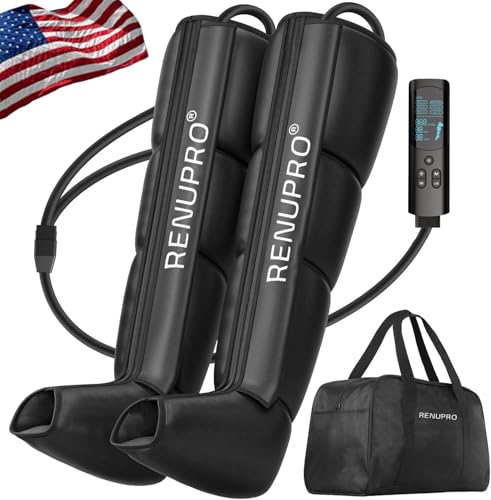
- Covers feet, calves, knees, and thighs
- Six modes and nine strength levels
- 24-month warranty with U.S. support
Best For: Runners seeking highly adjustable full-leg compression
Best Balanced Recovery System
FIT KING Full-Leg Compression Boots

- Four independent full-leg air channels
- Three modes and eight intensity levels
- Two-year worry-free support
Best For: Athletes wanting simple, adjustable full-leg recovery
Best Cordless Option
Comfytemp Portable Compression Boots

- Rechargeable and travel-friendly
- 120–170 minutes of runtime
- Adjustable foot-to-calf compression
Best For: Runners prioritizing portable lower-leg recovery
Best Adjustable Recovery Value

- Three pressure settings up to 140 mmHg
- Targets feet and calves with multiple programs
- Digital controller and zippered sleeves
Best For: Runners seeking customizable foot-and-calf recovery at home
Best Full-Leg Coverage
MUSUGY Sequential Compression Boots

- Five chambers cover feet through thighs
- Nine pressure levels and six modes
- Pressure sensor helps balance the fit
Best For: Runners wanting adjustable, full-leg sequential compression
Best Wireless Option
Anaconda Wireless Compression Boots

- Up to four hours of cordless battery use
- Four zones cover foot through thigh
- Three modes and included travel bag
Best For: Runners who prioritize portable, wireless full-leg recovery
Premium Wireless Pick – Hyperice Normatec Elite
For runners who want compression boots for runners that are easy to use away from home, the Hyperice Normatec Elite stands out with a fully cordless design. It offers seven compression levels, five overlapping zones, synchronized leg treatment, and up to four hours of battery life, depending on intensity.
Best For: Runners prioritizing portable, hose-free recovery with app-based customization.
Pros:
- Fully wireless design avoids a separate control-unit hose.
- Seven intensity levels and ZoneBoost support more personalized sessions.
- Bluetooth app controls pressure, zones, and session length.
- Up to four hours of battery life for multiple sessions.
Cons:
- The Standard size is intended for a 31- to 35-inch inseam and heights of 5 feet 7 inches to 6 feet 4 inches.
- Higher compression settings use more battery power.
- It is not water resistant.
The Normatec Elite is a strong fit for runners who value convenience and repeatable, adjustable compression. Its wireless construction is especially useful for travel, though buyers should confirm the sizing range before ordering.
Most Customizable – FIT KING FT-091A Recovery Boots
The FIT KING FT-091A is a versatile choice among compression boots for runners, combining cordless operation with 12 pressure settings, four independently controllable zones, and three air-compression modes. Its full-leg coverage and included carry bag make it practical for workouts, travel, and everyday recovery.
Best For: Runners who want extensive pressure, timing, and zone adjustments in a portable system.
Pros:
- Offers 12 pressure settings from 40 to 150 mmHg.
- Four zones can target the feet, lower calf, upper calf, or thigh.
- Rechargeable 2500mAh battery provides up to three to four hours of use.
- Includes a carry bag and a 24-month warranty.
Cons:
- The extensive controls may be more than some runners need.
- It is not water resistant.
- Battery runtime varies with use and settings.
With broad adjustability and cordless portability, the FT-091A is well suited to runners who want to fine-tune recovery sessions. It is also a practical option for households sharing one device, thanks to its zone controls and adaptable pressure sensors.
Best With Heat – Full-Leg Air Compression Massager
Runners looking for compression boots for runners with added warmth may prefer this full-leg air compression massager. It combines five-chamber sequential compression with three heat settings, six massage modes, pressure sensing, and 11 intensity levels for post-training recovery or everyday leg comfort.
Best For: Runners who want full-leg compression paired with adjustable heat.
Pros:
- Five-chamber compression covers the feet, calves, knees, and thighs.
- Three heat settings range from 107°F to 129°F.
- Six massage modes support full-leg or targeted treatment.
- Eleven intensity levels provide a 50-150 mmHg pressure range.
Cons:
- Heat may not suit runners who prefer compression-only sessions.
- The supplied notes do not specify battery operation or portability.
- It is designed for comfort and recovery rather than a compact travel setup.
This model is appealing when warmth is an important part of a cooldown routine. Its wide adjustment range and full-leg coverage provide flexibility, but shoppers seeking cordless portability should verify the power details before buying.
Best Value Corded System – QUINEAR Leg Recovery System
The QUINEAR Leg Recovery System is a straightforward option for runners who want compression boots for runners without paying for a cordless design. Its four air chambers, pressure-sensing adjustment, three modes, and eight intensity levels provide structured sequential massage for post-workout use.
Best For: Runners seeking a portable-to-store, corded recovery system with essential controls.
Pros:
- Four air chambers provide sequential foot, calf, and thigh compression.
- Eight intensity levels range from 50 to 120 mmHg.
- Three modes and 20-, 25-, or 30-minute timers support routine sessions.
- Includes a carry bag and a 24-month warranty.
Cons:
- The system uses corded electric power rather than a rechargeable battery.
- There are no heat settings.
- Its large size may be less convenient for travel than cordless alternatives.
The QUINEAR offers the core features many runners need for regular post-run compression at home. Choose it if corded operation is acceptable and you prefer a simpler system with defined modes and timers.
Best Full-Leg Customization – RENUPRO Dynamic Air Compression Boots
For runners comparing compression boots for runners, the RENUPRO Dynamic Air Compression Boots stand out for full-leg coverage and extensive session controls. They cover the feet, calves, knees, and thighs, with six modes, nine strength levels, and three timer options.
Best For: Runners and athletes who want customizable, full-leg sequential compression and who fit the 29–34-inch inseam range with a thigh circumference up to 30 inches.
Pros:
- Full-leg coverage from feet through thighs.
- Six modes, nine pressure levels, and 15-, 20-, or 25-minute timers.
- Overlapping air chambers and pressure sensors support sequential compression.
- Includes a 24-month warranty and U.S.-based customer support.
Cons:
- The standard fit has specific inseam and thigh-circumference limits.
- Corded operation is less portable than a rechargeable design.
- It is not water resistant.
Choose this model if precise adjustment and complete leg coverage matter more than portability. Its fit specifications are important to check before ordering.
Best Balanced Recovery System – FIT KING Full-Leg Compression Boots
The FIT KING Air Compression Recovery System is a practical option for runners seeking compression boots for runners with full-leg coverage and straightforward controls. Its four independent air channels target the feet, calves, knees, and thighs, while the larger pump is designed for faster inflation and deflation.
Best For: Athletes and fitness enthusiasts who want a medium-size full-leg system for warm-ups, post-workout recovery, and muscle relaxation.
Pros:
- Four air chambers provide coverage across the full leg.
- Offers three modes, eight pressure intensities, and three timer settings.
- Sensor control adjusts inflation volume for different leg sizes.
- Backed by a two-year worry-free support policy.
Cons:
- The listed version is medium, so fit should be confirmed before purchase.
- It requires corded operation.
- It provides fewer modes and pressure levels than some more adjustable systems.
This is a well-rounded choice for runners who want full-leg treatment without an especially complex control scheme. The medium sizing makes fit verification a priority.
Best Cordless Option – Comfytemp Portable Compression Boots
For runners who want compression boots for runners that can be used away from an outlet, the Comfytemp Air Compression Leg Massager offers cordless convenience. Its rechargeable battery provides about 120–170 minutes of use depending on settings, while three airbags cover the foot, ankle, heel, and calf.
Best For: Runners and active people who want portable lower-leg and foot compression at home, while traveling, or during everyday recovery.
Pros:
- Rechargeable 2500mAh battery supports cordless use.
- Provides approximately 120–170 minutes of runtime depending on settings.
- Four adjustable straps allow a more flexible fit.
- Targets the calf, ankle, heel, arch, and foot with rhythmic compression.
Cons:
- Coverage stops at the calf rather than extending through the knee and thigh.
- Fit is limited to calf circumferences of 13–19 inches and feet up to 12 inches long.
- It has three airbags, offering less independently controlled coverage than some full-leg systems.
This model makes the most sense when portability and foot-to-calf comfort are more important than full-leg treatment. Confirm the calf and foot measurements, since coverage varies with leg shape and length.
Best Adjustable Recovery Value – QUINEAR Leg Recovery System
For runners comparing compression boots for runners, the QUINEAR Leg Recovery System offers adjustable pressure, targeted foot-and-calf coverage, and several massage patterns in a corded design. Its digital controller and zipper sleeves make it practical for repeat recovery sessions at home.
Best For: Runners who want customizable foot and calf compression for post-training relaxation, circulation support, or everyday leg discomfort.
Pros:
- Three pressure settings ranging up to 140 mmHg.
- Three air-compression channels and multiple massage programs.
- Digital display shows massage location and pressure.
- Zippered, one-size-fits-most sleeves are designed for easier fitting.
Cons:
- Corded operation limits portability.
- Coverage is focused on the feet and calves rather than the full leg.
- It is not water resistant.
The QUINEAR is a sensible choice when targeted lower-leg coverage and pressure adjustability matter more than wireless convenience or full-leg treatment.
Best Full-Leg Coverage – MUSUGY Sequential Compression Boots
The MUSUGY system is a full-leg option for shoppers seeking compression boots for runners with sequential coverage from the feet through the thighs. Five air chambers, nine pressure levels, and timed sessions provide plenty of control for post-run recovery routines.
Best For: Runners, athletes, and active people who want adaptive full-leg compression with separate foot, calf, and thigh modes.
Pros:
- Five chambers provide sequential foot-to-thigh coverage.
- Nine pressure levels range from 40 to 120 mmHg.
- Six modes include full-leg and targeted-zone programs.
- Built-in pressure sensing helps balance compression across zones.
Cons:
- The stated fit requires a 36-inch-or-longer inseam.
- Thigh and calf circumference limits may not suit every user.
- The supplied notes do not indicate wireless operation.
Choose MUSUGY if full-leg coverage and fine-grained settings are priorities, while checking the listed sizing requirements carefully before buying.
Best Wireless Option – Anaconda Wireless Compression Boots
Among compression boots for runners, the Anaconda stands out for wireless use and a rechargeable battery. It combines four-zone coverage with up to 200 mmHg of compression, making it convenient for recovery on the couch, at the gym, or while traveling.
Best For: Athletes and runners who value portable, cordless recovery with foot, calf, knee, and thigh coverage.
Pros:
- Rechargeable battery provides up to four hours of use.
- Four sequential zones cover the foot, calf, knee, and thigh.
- Offers full-leg, massage, and targeted-zone modes.
- Includes a travel bag and a simple controller without requiring an app.
Cons:
- The supplied notes do not specify the number of intensity levels.
- Charging time is listed as four hours.
- The medium size may not fit every leg.
The Anaconda is the strongest fit for runners who want to recover away from an outlet, especially when portability and complete leg coverage outweigh the need for highly detailed pressure settings.
How We Picked the Best Compression Boots for Runners
We focused on features that matter after easy runs, long-distance sessions, speedwork, and races: compression-zone coverage, pressure and program adjustments, portability, fit, comfort, controls, and overall practicality. The selection includes premium wireless systems, full-leg boots, heated models, and more affordable devices for runners who want basic pneumatic massage at home.
Because specifications and included accessories can vary by listing, check the current product page for exact sizing, battery details, pressure ranges, warranty coverage, and cleaning instructions before buying.
Quick Comparison
| Best For | Look For | Typical Advantage |
|---|---|---|
| Travel and convenience | Wireless operation and rechargeable battery | Use without staying near an outlet |
| Frequent training | Multiple zones, modes, and intensity levels | More control over recovery sessions |
| Lower-leg fatigue | Foot and calf coverage | Compact fit and focused compression |
| Full-leg recovery | Thigh-to-foot coverage | More extensive massage and circulation support |
| Cold or stiff legs | Integrated heat | Added warmth during sessions |
Key Buying Factors for Compression Boots for Runners
Coverage and Fit
Measure your legs and compare them with the manufacturer’s sizing chart. Foot, calf, and full-leg designs feel different, and an incorrect fit can create uneven pressure or reduce comfort. Look for adjustable wraps or extensions if your measurements fall near a size boundary.
Pressure, Zones, and Programs
Sequential compression should inflate in a controlled pattern rather than squeezing every area at once. More zones and intensity settings can help you tailor sessions, while simpler controls may be preferable if you want quick, uncomplicated use.
Power and Portability
Wireless boots are useful for travel and moving around the house, but confirm battery runtime and charging requirements. Corded systems can offer dependable home use and may be a better value when portability is not important.
Heat and Comfort
Heat can be appealing after cold-weather training, but it is not essential for pneumatic compression. Prioritize breathable materials, comfortable foot chambers, manageable boot weight, and controls that are easy to reach.
Safety and Expectations
Compression boots are recovery and comfort tools, not a treatment for an undiagnosed medical condition. Follow the manual, stop if you experience pain, numbness, or unusual swelling, and ask a healthcare professional before use if you have circulation problems or another relevant medical concern.
Who Should Buy Which Compression Boots for Runners?
Choose a premium wireless model if you train frequently, value portability, and want a polished recovery routine. A multi-intensity full-leg system is a strong fit for runners who want broader coverage and more session customization. Heated foot-and-calf models suit users who prioritize warmth and targeted lower-leg comfort.
For occasional runners or shoppers on a budget, a basic sequential leg massager can provide useful compression without premium wireless features. Athletes sharing a device should prioritize adjustable sizing, clear controls, and a wide range of intensity settings. Whichever model you choose, consistency, correct fit, and comfortable pressure matter more than selecting the device with the most features.
