
Choosing a family tent means balancing sleeping capacity, setup time, weather protection, and livable space. The best option should fit your group comfortably without becoming unnecessarily difficult to carry or pitch.
We compared 10 popular camping tents for families across sizes, layouts, features, and intended uses to help you find a practical shelter for weekend trips, festivals, and extended outdoor stays.
Best 10 Camping Tents for Families Picks for 2026
Top Spacious Pick
CAMPROS CP 12-Person 3-Room Tent

- 180 sq. ft. interior fits large groups
- Two dividers create three flexible spaces
- Setup takes under 10 minutes
Best For: Large families and group camping
Fastest Setup
CORE 9-Person Instant Cabin Tent
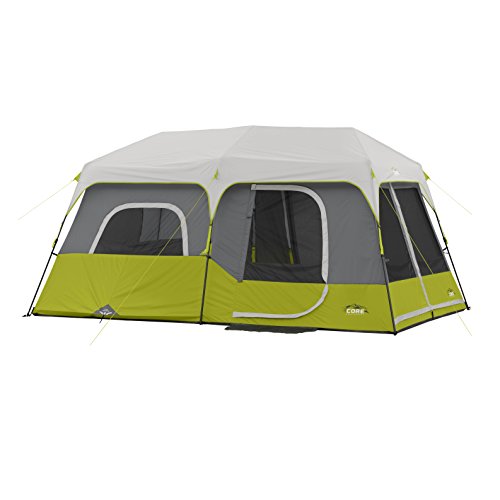
- Pre-attached frame sets up in about two minutes
- 78-inch center height and cabin design
- Includes vents, mesh ceiling, and storage pockets
Best For: Families wanting quick, simple setup
Value Dome Option
Amazon Basics 8-Person Camping Tent

- 15-by-9-foot floor fits up to eight adults
- Sets up in under eight minutes
- Includes rainfly, storage pocket, and carry bag
Best For: Families wanting simple, roomy dome-style shelter
Best Headroom
CORE 12-Person Straight-Wall Cabin Tent
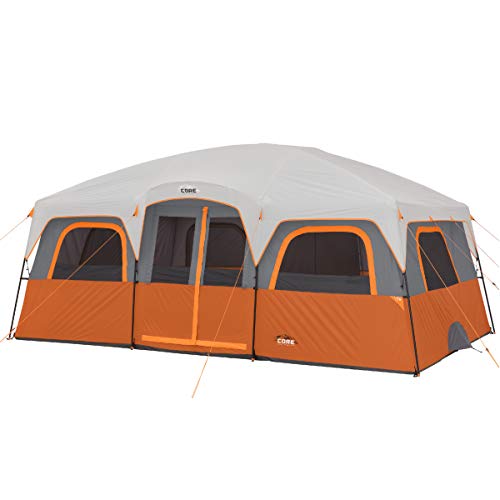
- 86-inch center height supports standing room
- 16-by-11-foot floor fits four queen air beds
- Divider creates two separate interior spaces
Best For: Large families needing headroom and privacy
Fast Setup Pick
FanttikOutdoor Instant Family Tent

- Sets up in under 60 seconds
- Sleeps up to 10; most comfortable for five with gear
- Mesh ventilation and two-queen-mattress capacity
Best For: Families wanting spacious camping with minimal setup time
Extended-Stay Pick
TIMBER RIDGE 8 Person Tent with Screen Porch

- 160-square-foot, two-room family layout
- Removable rainfly and wind-resistant tunnel shape
- Screen porch and strong ventilation for longer trips
Best For: Families wanting space and comfort at a base camp
Value Room-Divider Pick

- Two-person setup in about five minutes
- Room divider doubles as a projector screen
- 72-inch height with mesh ventilation
Best For: Families wanting quick setup and flexible sleeping privacy
Best for Big Families

- Sleeps up to eight with 180 sq. ft. of floor area
- 80-inch height and screened porch add comfort
- Color-coded setup takes about 15 minutes for two people
Best For: Large families car camping at spacious campsites
Best for Quick Setup
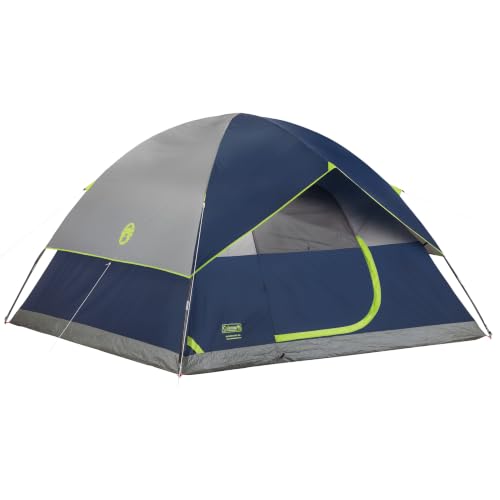
- Fits two queen-size airbeds in a 100 sq. ft. interior
- Six-foot center height and ventilation features improve comfort
- WeatherTec system and rainfly help protect against rain
Best For: Families wanting a simple three-season tent for casual trips
Best for Flexible Sleeping Areas

- 162 sq. ft. of space fits up to 10 sleeping bags
- Divider creates a two-room layout for privacy
- Large mesh roof and windows support airflow and views
Best For: Large families needing separate sleeping areas at camp
Top Spacious Pick – CAMPROS CP 12-Person 3-Room Tent
For families comparing camping tents for families, the CAMPROS CP stands out with 180 square feet of space, room for up to 12 people, and two removable dividers that create three areas. Its color-coded poles support setup in under 10 minutes, while the polyester shell, sealed seams, rain strips, and rainfly provide water protection.
Best For: Large families and group campers who want multiple sleeping or activity areas.
Pros:
- Fits three queen or five full air mattresses.
- Two removable curtains create three private spaces and can serve as projector screens.
- Large mesh roof, door, and windows promote airflow.
- Includes a rainfly and features waterproof polyester construction with sealed seams.
Cons:
- Its 12 kg weight may be less convenient for carrying long distances.
- The large footprint may require a spacious campsite.
The CAMPROS is a practical choice when interior capacity and flexible room layout matter most. It offers substantial family space, though its size and weight are worth considering before transport.
Fastest Setup – CORE 9-Person Instant Cabin Tent
The CORE 9 Person Instant Cabin Tent is a strong option for shoppers seeking camping tents for families with minimal setup time. Its pre-attached poles lock into place in about two minutes or less, and the 14-by-9-foot cabin includes a 78-inch center height, storage pockets, adjustable vents, and a mesh ceiling.
Best For: Families who prioritize quick pitching and a tall, organized interior.
Pros:
- Pre-attached poles support setup in two minutes or less.
- 78-inch center height provides comfortable headroom.
- H20 Block fabric, taped rainfly, sealed seams, and zipped windows improve weather protection.
- Lower vents and a mesh ceiling support adjustable airflow.
Cons:
- It comfortably fits four people with gear, despite its nine-person stated capacity.
- The included rainfly may need to be attached after the tent is unfolded.
This CORE tent is especially appealing for families who want to spend less time assembling camp. Its quick setup and cabin-style height are useful, but shoppers should match the listed capacity to their gear needs.
Value Dome Option – Amazon Basics 8-Person Camping Tent
For families looking for straightforward camping tents for families, this Amazon Basics dome tent provides a 15-by-9-foot floor, a 70-inch center height, and space for up to eight adults. The water-resistant polyester body, welded seams, and removable rainfly are paired with shock-corded poles for setup in under eight minutes.
Best For: Families wanting a spacious, uncomplicated three-season dome tent with basic organization.
Pros:
- 15-by-9-foot floor offers generous space for its stated capacity.
- Shock-corded poles and snag-free sleeves support setup in under eight minutes.
- Removable rainfly and welded seams add water protection.
- Interior mesh pocket and carry bag help with storage and transport.
Cons:
- It has one door and one window, offering less access and ventilation than some larger family tents.
- The 70-inch center height is lower than the cabin-style alternatives.
This dome tent keeps the feature set simple while providing a roomy floor and relatively quick setup. It is a sensible fit for families who do not need multiple rooms or standing-height cabin walls.
Best Headroom – CORE 12-Person Straight-Wall Cabin Tent
The CORE straight-wall cabin tent is designed for families who want room to move inside their camping tents for families. Its 16-by-11-foot floor and 86-inch center height provide ample interior space, while the included divider creates two areas. A taped rainfly, sealed seams, guylines, and steel stakes support protection and stability.
Best For: Larger families who value standing room, multiple sleeping layouts, and interior privacy.
Pros:
- Nearly straight walls and an 86-inch center height improve usable interior space.
- Fits four queen-size air beds and accommodates up to 12 people without gear.
- Room divider creates two separate spaces.
- Nine windows and fully zipped panels support airflow and weather protection.
Cons:
- Its 16-by-11-foot footprint needs a large campsite.
- The listed minimum trail weight of 49 pounds makes transport more demanding.
- The product is listed as a summer-season tent, which may limit its intended conditions.
This CORE model is a strong space-first choice, particularly for family camps where standing room and separation matter. Its large footprint and substantial packed weight make site selection and transport important considerations.
Fast Setup Pick – FanttikOutdoor Instant Family Tent
For families shopping for camping tents for families, the FanttikOutdoor Instant Tent stands out for its pre-attached poles and setup time of under 60 seconds. Its roomy interior can sleep up to 10 people, although five people with gear is described as the more comfortable arrangement.
Best For: Families who prioritize very fast setup, spacious sleeping capacity, and summer ventilation.
Pros:
- Pre-attached poles allow setup in under 60 seconds.
- Large 168-by-120-inch interior with room for two queen air mattresses.
- Mesh windows on all four sides, floor vents, and a mesh ceiling support airflow and stargazing.
- Includes stakes, guy lines, an E-port, and interior storage.
Cons:
- The inner tent roof is mesh and requires the outer tent for rain protection.
- At 27.5 pounds, it is less convenient for lightweight backpacking.
- The one-room layout provides less privacy than a divided family tent.
This is a practical choice for car campers and beginner families who want maximum space without a complicated pitch. Pay close attention to zipper handling and guy-line tension during setup and packing.
Extended-Stay Pick – TIMBER RIDGE 8 Person Tent with Screen Porch
The TIMBER RIDGE is one of the more practical camping tents for families who need room to spread out on longer trips. Its 160-square-foot floor, two-room design, screen porch, and weather-oriented construction make it suited to comfortable family base camps.
Best For: Families taking multi-day trips who want separate living space, storage, and a screened outdoor area.
Pros:
- Large 20-by-8-foot layout with two rooms and a screen porch.
- Water-resistant fabric, removable rainfly, and wind-resistant tunnel shape provide all-weather support.
- Full mesh ceiling, windows, and doors encourage cross-ventilation and nighttime stargazing.
- Color-coded poles and instructions help two people set it up in about 15 minutes.
Cons:
- At 32 pounds, it is best suited to vehicle-based camping rather than carrying long distances.
- Setup is not as immediate as an instant tent and generally requires two people.
- The supplied notes describe water resistance rather than a fully waterproof shelter.
The generous floor plan and screen porch make this a strong comfort-focused option for families staying several nights. Its size is valuable at camp, but plan for adequate transport and a two-person setup.
Value Room-Divider Pick – CAMPROS CP 8 Person Tent
The CAMPROS CP is a straightforward option among camping tents for families, combining an eight-person capacity with a room divider and a quick two-person setup. Its straight-wall design provides useful standing space, while the mesh top and doors improve airflow.
Best For: Families who want an affordable-feeling, easy-to-pitch tent with flexible two-room privacy.
Pros:
- Two people can assemble it in about five minutes without special skills.
- Room divider can separate sleeping areas or serve as a projector screen.
- 72-inch center height and straight walls make changing and moving around easier.
- Mesh roof and doors provide ventilation and outdoor views.
Cons:
- The 126-square-foot floor is smaller than the largest tents in this roundup.
- It has one door, which may be less convenient for a full family load.
- The room divider offers flexible separation but does not create a fully independent enclosed room.
For families who value simple pitching and a little privacy, the CAMPROS offers a balanced layout without an elaborate setup process. It is particularly appealing for weekend camping where a divider and ventilation matter more than maximum floor area.
Best for Big Families – UNP 8-Person Tunnel Tent
For families comparing camping tents for families, this UNP tunnel tent stands out for its generous floor area, tall ceiling, and screened porch. It sleeps up to eight people and is best suited to car-camping trips where its 30-pound packed weight is manageable.
Best For: Large families who want room to sleep, stand, and relax under cover at an established campsite.
Pros:
- 180 square feet of space can fit two full air mattresses or eight sleeping bags.
- 80-inch peak height allows most campers to stand and move around comfortably.
- Four oversized mesh windows, two doors, and a mesh ceiling support cross-ventilation.
- Color-coded setup is designed for two people in about 15 minutes.
Cons:
- At about 30 to 32 pounds, it is better for car camping than backpacking.
- The large tunnel profile and 19 included stakes require a relatively spacious campsite.
Choose this model when interior room and a porch-like screened area matter more than compact packing. Its waterproof coating, steel poles, and one-year assurance add useful support for family campsite use.
Best for Quick Setup – Coleman Sundome 6-Person Tent
Among camping tents for families, the Coleman Sundome is a practical choice for shorter warm-weather trips, festivals, backyard stays, and sleepovers. Its six-person capacity, six-foot center height, and simple setup prioritize convenience without requiring a large campsite.
Best For: Families seeking an easy-to-pitch three-season tent for casual camping and fair-weather outings.
Pros:
- 100 square feet of floor area can accommodate two queen-size airbeds.
- WeatherTec features, including welded corners and inverted seams, help block rain.
- Large windows and a ground vent promote airflow in warm conditions.
- Continuous pole sleeves and Insta-Clip attachments support fast setup and packing.
Cons:
- Its six-foot peak is less spacious than the taller family tents in this roundup.
- It is a three-season, water-resistant design rather than a tent intended for severe conditions.
This is a sensible family tent when fast pitching and straightforward transport are priorities. The one-room layout keeps things simple, while the included rainfly and WeatherTec construction provide added wet-weather protection.
Best for Flexible Sleeping Areas – UNP 10-Person Family Tent
For shoppers evaluating camping tents for families, this UNP 10-person model combines a large footprint with a removable privacy divider. Its two-room configuration, broad mesh panels, and awning-style rainfly make it useful for families who want more organization and airflow at camp.
Best For: Larger families who want separate sleeping areas and space for multiple beds during car-camping trips.
Pros:
- 162 square feet can fit up to 10 sleeping bags or three queen air mattresses.
- A ceiling-hung divider converts the interior into two rooms for added privacy.
- Large roof and window mesh panels provide ventilation and a wide view.
- Two people can assemble it in roughly 10 to 15 minutes, and the 21-pound weight is relatively manageable for its size.
Cons:
- The 78-inch height is slightly lower than the tallest tent in this roundup.
- Its 1000mm waterproof fabric rating is lower than the 1500mm rating of the other UNP tent listed here.
- The 18-by-9-foot footprint needs a generously sized campsite.
This model is a strong fit when privacy and sleeping flexibility are central to your camping setup. The divider can also serve as a projection surface, while the vestibular and extended rainfly awnings add practical coverage around the entrances.
How We Picked the Best Camping Tents for Families
We focused on the features that matter most when several people share one shelter: usable floor space, interior height, sleeping-room layout, ventilation, rain protection, setup convenience, and portability. The selection includes dome, cabin, tunnel, and instant-tent designs, with capacities ranging from smaller family setups to large 10- and 12-person models.
Advertised capacity is only a starting point. We considered whether a tent’s layout, room divider, screen porch, or straight-wall construction can make that capacity more comfortable in real use. We also included options for different budgets and camping styles rather than treating one tent as the universal choice.
Quick Comparison
| Best For | Recommended Style | What to Look For |
|---|---|---|
| Fast setup | Instant cabin tent | Pre-attached poles and simple frame design |
| Maximum sleeping space | Large cabin or tunnel tent | High capacity, room dividers, and broad floor area |
| Privacy | Multi-room family tent | Dividers or separate sleeping compartments |
| Hot-weather comfort | Screen-porch or ventilated tent | Mesh panels, windows, and covered outdoor space |
| Occasional camping | Compact dome tent | Lower weight, simple pitching, and affordable pricing |
Key Buying Factors for Camping Tents for Families
Capacity and Usable Space
Choose based on the number of sleepers, plus room for bags and changing clothes. A tent rated for exactly your group may feel cramped, especially when weather keeps everyone indoors. Straight walls and taller ceilings generally provide more usable living space than sloped-wall dome designs.
Setup and Portability
Instant tents can save time and reduce frustration, but their integrated frames may add bulk. Traditional tents often pack smaller and can be easier to transport, though they require more assembly. Check packed dimensions and weight if trunk space or longer walks to the campsite matter.
Weather Protection
Look for a full or well-designed rainfly, sealed seams, a bathtub-style floor, sturdy stakes, and durable pole connections. No family tent is immune to severe weather, so proper site selection and careful guyline use remain essential.
Ventilation and Privacy
Mesh windows and roof vents help limit condensation, while room dividers provide separation for parents, children, or gear. A screen porch can add useful bug-free space, but it should not replace a fully enclosed sleeping area.
Who Should Buy Which Camping Tents for Families?
Large families or groups should prioritize 10- or 12-person models with multiple rooms and generous headroom. Families wanting the quickest pitch should choose an instant cabin design. Campers who value outdoor lounging may prefer a screen-porch tent, while shoppers focused on occasional trips and easier transport may be better served by a simpler dome model.
Before buying, compare the tent’s packed size with your vehicle, confirm the actual floor plan, and decide whether you need space for sleeping only or for spending rainy hours indoors. Those details will usually matter more than the highest capacity number on the package.
