
Calf tendon pain can make every landing and push-off feel harder. The right running shoe may help you run more comfortably, but cushioning, heel-to-toe drop, and support need to match your stride—not just a label on the box.
These 10 Brooks and ASICS options span neutral cushioning and several levels of stability. Use the guide below to narrow the field, then check each shoe’s current specifications and fit before you buy.
Best 10 Running Shoes for Calf Tendonitis Picks for 2026
Supportive Daily Pick
Brooks Men's Adrenaline GTS 25
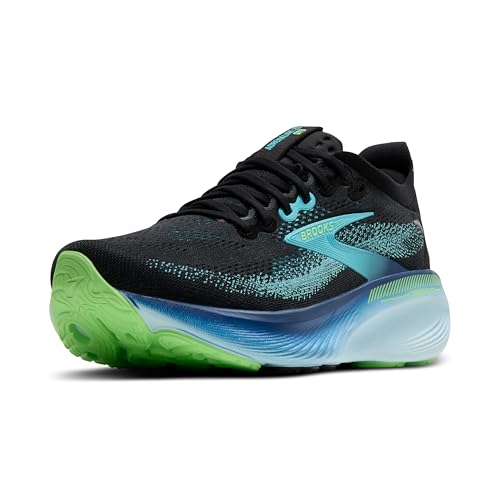
- GuideRails stability support
- Soft DNA LOFT v3 cushioning
- Breathable, secure mesh upper
Best For: Cushioned road running or walking with stability support
Women's Adaptive Stability Pick

- Adaptive 3D GUIDANCE SYSTEM
- FF BLAST foam and rearfoot PureGEL
- Runs small
Best For: Women wanting adaptive support and cushioned landings
Established Stability Pick
Brooks Men's Adrenaline GTS 24

- GuideRails motion control
- Plush DNA LOFT v3 cushioning
- Breathable, accommodating upper
Best For: Men seeking cushioned stability on roads or treadmills
Responsive Stability Pick

- Adaptive 3D GUIDANCE SYSTEM
- Responsive FF BLAST MAX foam
- Runs small
Best For: Men wanting stable, cushioned runs with responsive toe-off
Supportive Women's Pick

- GuideRails limit excess movement
- Soft DNA LOFT v3 cushioning
- Breathable, structured mesh upper
Best For: Women seeking support for running or walking
Adaptive Stability Pick

- Adaptive 3D GUIDANCE stability
- FF BLAST and rearfoot PureGEL
- Runs small; check sizing
Best For: Men wanting moderate cushioning and stability on roads or treadmills
Maximum-Cushion Pick

- Maximum-cushion design
- FF BLAST PLUS and PureGEL
- Breathable knit upper
Best For: Men prioritizing cushioning on roads or treadmills
Maximum Stability
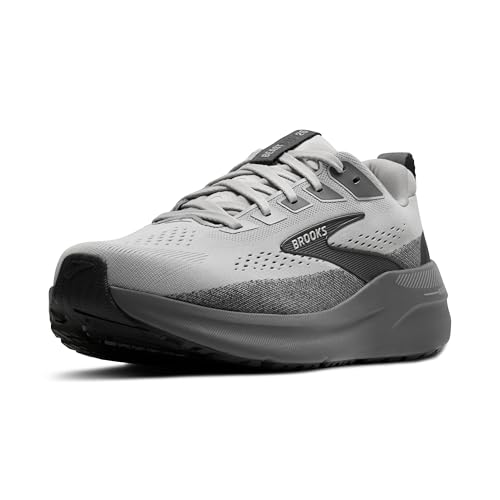
- GuideRails motion control
- Soft, structured cushioning
- Roomy, orthotic-friendly fit
Best For: Overpronators and orthotic wearers seeking maximum stability
Smooth Neutral Ride
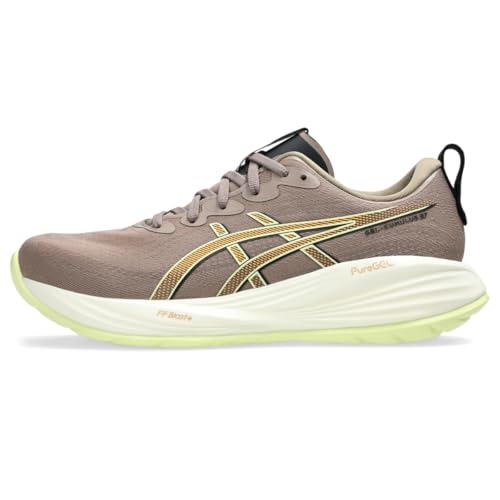
- Neutral road-running design
- FF BLAST PLUS and PureGEL cushioning
- FLUIDRIDE outsole for smoother strides
Best For: Men seeking a cushioned neutral shoe for roads or treadmills
Women's Cushioned Neutral Pick

- Neutral road and treadmill option
- FF BLAST PLUS and PureGEL cushioning
- Breathable mesh and smooth-striding outsole
Best For: Women wanting a cushioned neutral running shoe
Supportive Daily Pick – Brooks Men's Adrenaline GTS 25
For shoppers comparing running shoes for calf tendonitis, the Brooks Adrenaline GTS 25 is a supportive road and treadmill option with soft DNA LOFT v3 cushioning and a smooth-transition design. Its GuideRails system is intended to keep excess movement in check, though the supplied details do not establish that it treats tendonitis.
Best For: Runners and walkers who want cushioned stability, particularly for overpronation.
Pros:
- GuideRails provide support while allowing a natural motion path.
- Nitrogen-infused DNA LOFT v3 foam offers lightweight, soft cushioning.
- Engineered mesh and a flat-knit collar balance breathability with a secure fit.
Cons:
- Not water-resistant.
- Its stability-focused design may be more support than neutral runners want.
Choose this model if a secure upper and guided, cushioned strides are your priorities; assess comfort on your own runs rather than expecting a shoe to resolve calf tendon pain.
Among running shoes for calf tendonitis, the ASICS Women’s GT-1000 14 is worth considering if you prefer adaptive stability paired with cushioning. Its 3D GUIDANCE SYSTEM uses platform geometry for on-demand support, while FF BLAST foam and rearfoot PureGEL provide a cushioned ride; none of these features is a stated tendonitis treatment.
Best For: Women seeking an adaptable stability shoe with breathable mesh and soft rearfoot cushioning.
Pros:
- 3D GUIDANCE SYSTEM provides adaptive, on-demand stability.
- FF BLAST cushioning balances softness with responsiveness.
- Engineered mesh is lightweight and breathable.
- AHAR LO rubber adds grip in key outsole areas.
Cons:
- Runs small, so sizing deserves extra attention.
- No heel-to-toe drop is supplied, limiting comparisons based on that measurement.
The combination of guided support and rearfoot cushioning makes this a practical option to try, but prioritize fit and your own comfort over any assumption that cushioning will relieve tendon symptoms.
Brooks Men’s Adrenaline GTS 24 Supportive Running Shoe - Peacoat/Black/Sharp Green - 8.5 Medium
Check Price On AmazonIf you’re browsing running shoes for calf tendonitis, the Brooks Adrenaline GTS 24 offers a stability-oriented alternative with GuideRails support, nitrogen-infused DNA LOFT v3 cushioning, and smooth-transition construction. The listed features describe running comfort and support, not a treatment for calf tendonitis.
Best For: Men seeking a cushioned, supportive shoe for road or treadmill running and walking.
Pros:
- GuideRails help keep excess motion in check.
- DNA LOFT v3 foam provides lightweight, plush cushioning.
- Engineered air mesh offers breathability, stretch, and structure.
- Outsole and midsole are designed for smooth transitions.
Cons:
- Not water-resistant.
- Stability features may be unnecessary if you prefer a neutral shoe.
This is a sensible pick when controlled motion and an accommodating upper matter most. Compare its fit and feel with the newer GTS 25 rather than assuming either version is better for tendon discomfort.
The ASICS Men’s GT-2000 14 stands out among running shoes for calf tendonitis shoppers who also want a responsive feel. Its 3D GUIDANCE SYSTEM offers adaptive stability, while FF BLAST MAX foam, rearfoot PureGEL, and a trampoline-inspired outsole pod shape the cushioned ride. Those features do not establish a medical benefit for tendonitis.
Best For: Men looking for stability support with soft cushioning and a responsive toe-off on roads or treadmills.
Pros:
- 3D GUIDANCE SYSTEM supplies adaptive, on-demand stability.
- FF BLAST MAX combines soft cushioning with responsive energy return.
- Asymmetric tongue wing helps hold the midfoot securely.
- Woven mesh provides breathability.
Cons:
- Runs small, making size selection important.
- Not water-resistant.
Consider the GT-2000 14 if you want support without giving up a lively ride. Try it for fit and comfort, especially given the runs-small note, and avoid treating its cushioning as a guaranteed fix for calf pain.
Supportive Women's Pick – Brooks Adrenaline GTS 25
For shoppers comparing running shoes for calf tendonitis, the women’s Adrenaline GTS 25 offers a supportive option with GuideRails to keep excess movement in check and DNA LOFT v3 cushioning for a soft ride. Those features may appeal if you want stability and comfort, though the shoe is not a treatment for tendonitis.
Best For: Women who want a supportive running or walking shoe with moderate cushioning.
Pros:
- GuideRails support helps keep excess movement in check.
- Nitrogen-infused DNA LOFT v3 provides soft cushioning.
- Engineered mesh upper and flat-knit collar balance structure and flexibility.
Cons:
- Moderate cushioning may not suit shoppers seeking a maximum-cushion shoe.
- Not water resistant.
Its combination of guided support and smooth transitions makes it a practical choice if stability is your priority; choose based on fit and how it feels during your usual activity.
Adaptive Stability Pick – ASICS GT-1000 14
The men’s GT-1000 14 is worth considering among running shoes for calf tendonitis if you want stability on roads or treadmills. Its 3D GUIDANCE SYSTEM provides adaptive support, while FF BLAST foam and rearfoot PureGEL add cushioning; neither feature guarantees relief from tendon pain.
Best For: Men seeking a moderately cushioned stability shoe for road or treadmill running.
Pros:
- 3D GUIDANCE SYSTEM provides adaptive stability.
- FF BLAST foam and rearfoot PureGEL provide cushioning.
- Engineered mesh upper is lightweight and breathable.
Cons:
- Product notes say it runs small, so check sizing carefully.
- Not water resistant.
This is the stability-focused option of the three, especially for runners looking to address excess inward foot motion. Prioritize a comfortable fit rather than assuming support alone will resolve calf symptoms.
Maximum-Cushion Pick – ASICS Gel-Nimbus 28
If cushioning tops your list when shopping for running shoes for calf tendonitis, the men’s Gel-Nimbus 28 offers a maximum-cushion build with FF BLAST PLUS foam and PureGEL technology. Cushioning preferences vary, and the supplied features do not establish that the shoe treats tendonitis.
Best For: Men who prefer maximum cushioning for road or treadmill runs.
Pros:
- Maximum cushioning with FF BLAST PLUS foam and PureGEL.
- Breathable engineered knit upper and moisture-managing OrthoLite X-55 sockliner.
- Reflective details add visibility in low light.
Cons:
- No dedicated stability system is listed for runners seeking motion guidance.
- Not water resistant.
Choose this model for its cushioning-first design rather than corrective support. Its outsole combines ASICSGRIP and AHARPLUS materials for grip and durability, while fit and on-foot comfort remain key considerations.
Maximum Stability – Brooks Men's Beast GTS 26
Brooks Men’s Beast GTS 26 Supportive Running & Walking Shoe - Gray/Gray/Blackened Pearl - 13 Medium
Check Price On AmazonIf you’re comparing running shoes for calf tendonitis and also need substantial motion control, the Brooks Beast GTS 26 offers structured cushioning and a roomy fit. Its GuideRails system is designed to keep excess movement in check, though the supplied details do not establish that it treats tendon pain.
Best For: Runners or walkers who overpronate, wear orthotics, or want maximum stability for roads and treadmills.
Pros:
- GuideRails support helps limit excess movement.
- DNA LOFT v3 cushioning combines a soft feel with structured support.
- Roomy engineered-mesh upper accommodates varied foot shapes and orthotics.
Cons:
- Maximum-stability construction may be more support than neutral runners want.
- Not water resistant.
Choose this model for its motion-control features rather than an assumed calf-specific benefit. If your calf or Achilles is sensitive, assess the fit and comfort during a short walk or run before committing to longer outings.
Among running shoes for calf tendonitis, the men’s ASICS Gel-Cumulus 27 is a neutral option to consider if you prioritize cushioned landings and a smooth stride. FF BLAST PLUS foam, PureGEL technology, and a FLUIDRIDE outsole shape its ride; none of these features guarantees relief from tendon pain.
Best For: Neutral runners seeking moderate-to-high cushioning for road or treadmill use.
Pros:
- FF BLAST PLUS cushioning provides lightweight impact absorption and responsive rebound.
- PureGEL is designed for softer landings.
- Engineered mesh supports breathability, while the FLUIDRIDE outsole promotes smoother strides.
Cons:
- Neutral design does not provide the listed overpronation correction of a stability shoe.
- Not water resistant.
This is the more suitable pick here if you want a neutral, cushioned feel instead of motion control. Try it on and judge how your calf responds rather than relying on cushioning alone.
For shoppers researching running shoes for calf tendonitis, the women’s ASICS Gel-Cumulus 27 provides a neutral, moderately to highly cushioned road-running option. Its FF BLAST PLUS cushioning and PureGEL technology are designed to absorb impact and soften landings, but the notes do not support a claim that it treats calf tendonitis.
Best For: Women with a neutral gait who prefer cushioning and smooth transitions on roads or treadmills.
Pros:
- FF BLAST PLUS offers lightweight cushioning with responsive rebound.
- PureGEL helps provide softer landings.
- FLUIDRIDE outsole encourages smoother strides; engineered mesh improves breathability.
Cons:
- Neutral design is not specified for overpronation correction.
- Not water resistant.
Consider this version when a cushioned neutral ride matches your gait and preferred fit. Calf comfort is individual, so start with a short test outing before using it for longer runs.
How We Picked the Best Running Shoes for Calf Tendonitis
We focused on road-running models from Brooks and ASICS that give shoppers a choice of cushioning and support, including neutral shoes, everyday stability shoes, and a maximum-support option. The list includes men’s and women’s versions where available, but those labels are only a starting point: fit, width, and comfort matter more than the category name.
No shoe treats calf tendonitis. A comfortable pair may help you manage running loads, while persistent or worsening pain deserves advice from a qualified clinician.
Quick Comparison
Start with the kind of ride you need rather than assuming the softest shoe is best:
- Neutral cushioning: ASICS Gel-Cumulus 27 is an everyday option; Gel-Nimbus 28 is worth considering if you prefer a more cushioned feel.
- Everyday stability: Brooks Adrenaline GTS 24 and 25, ASICS GT-1000 14, and GT-2000 14 offer alternatives if you prefer a guided ride. Compare fit and feel across models rather than treating them as interchangeable.
- More substantial support: Brooks Beast GTS 26 is the option here to try if everyday stability shoes do not feel supportive enough.
Men’s and women’s listings of the same model are not separate support categories. Try the version and width that fit your foot best.
Key Buying Factors for Running Shoes for Calf Tendonitis
Heel-To-Toe Drop and Transition
Heel-to-toe drop affects how a shoe positions your foot. A lower-drop shoe can increase calf and Achilles loading for some runners, especially when the change is abrupt. Check the current specifications rather than guessing from how thick the sole looks, and introduce a different drop gradually. A higher drop may feel better to some runners, but it is not a universal fix.
Cushioning, Stability, and Fit
Choose cushioning that feels comfortable at your normal pace without making the shoe feel unstable. If you usually run well in neutral shoes, extra guidance may be unnecessary; if you prefer stability, compare how smoothly each shoe moves from landing to toe-off. Leave room for your toes, secure the midfoot without pressure, and check that the heel stays in place. Try shoes late in the day with your usual running socks, and use a return policy that lets you assess the fit indoors.
Running Load Matters, Too
A shoe change cannot compensate for a sudden jump in mileage, hills, or speedwork. If running provokes symptoms, reduce the aggravating load and get individualized guidance on returning to training. Avoid treating a new pair as permission to run through increasing pain.
Who Should Buy Which Running Shoes for Calf Tendonitis?
Choose Gel-Cumulus 27 if you want to start with neutral everyday cushioning, or compare Gel-Nimbus 28 if a plusher neutral ride appeals to you. Start with GT-1000 14, GT-2000 14, or Adrenaline GTS 24 or 25 if you prefer daily stability; your best choice is the one that fits and feels natural underfoot. Consider Beast GTS 26 if you want a more substantial support option. Whatever you choose, confirm the model’s drop, available widths, and return terms before ordering.
