
Grass can be soft and forgiving one day, then slick or uneven the next. The right shoe depends on whether you’re jogging park loops, training on fields, or racing cross-country.
These 10 picks span everyday trail shoes, minimalist options, and XC spikes. Use the guide below to match traction and protection to your route before choosing a pair.
Best 10 Running Shoes for Grass Running Picks for 2026
Versatile Trail Pick
NORTIV 8 Men's Trail Running Shoes

- 4mm multidirectional trail lugs
- Moderate EVA cushioning and TPU toe
- Breathable mesh; not water-resistant
Best For: Mixed grassy routes, trails, walking, and hikes
Minimalist Wide-Toe Pick
WHITIN Men's Wide Barefoot Trail Shoes

- Spacious forefoot for toe splay
- 3mm trail lugs preserve ground feedback
- Minimal cushioning; not water-resistant
Best For: Wide-toe, barefoot-style running on grassy trails
Cross-Country Race Pick

- Six-pin XC spike plate
- Lightweight, low-profile racing design
- Breathable upper with a snug fit
Best For: Cross-country races on grass and mixed courses
Cushioned Trail Pick
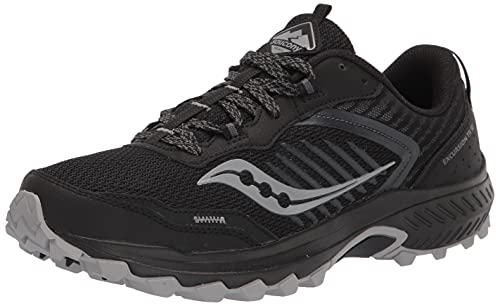
- Grippy carbon-rubber trail lugs
- Moderate VERSARUN cushioning
- Supportive mesh; not water-resistant
Best For: Cushioned runs on grassy paths and trails
Women's XC Spike

- Six-pin plate for grass and dirt
- Lightweight, breathable mesh
- Secure lace-up fit
Best For: Women's cross-country racing and practice
Non-Spiked Trail Pick

- Rugged off-road outsole
- Versarun cushioning
- Supportive trail-specific mesh
Best For: Men's off-road runs beyond cross-country race courses
Lightweight Trail Pick
Under Armour Charged Bandit Trail 3

- Ventilated mesh upper
- Technical trail lugs
- Responsive Charged Cushioning
Best For: Mixed grass-and-trail runs
Rugged Terrain Pick

- Wet- and dry-surface traction
- Adaptive rock shield
- Reinforced toe protection
Best For: Grass-to-rugged-trail routes
Cushioned All-Terrain Pick

- 3 mm all-terrain lugs
- Plush DNA LOFT v3 cushioning
- Adjustable, secure fit
Best For: Cushioned grass-and-trail runs
Versatile Trail Pick – NORTIV 8 Men's Trail Running Shoes
If you want running shoes for grass running that also handle dirt paths and weekend hikes, this NORTIV 8 pair offers a practical mix of traction and comfort. Its full rubber outsole has 4mm multidirectional lugs, while the flexible EVA midsole provides moderate cushioning.
Best For: Runners who want one shoe for grassy routes, trails, walking, and hiking.
Pros:
- 4mm lugs provide grip on varied outdoor surfaces.
- TPU toe helps protect against roots and bumps.
- Breathable mesh upper promotes airflow.
Cons:
- Not water-resistant, so wet grass may leave feet damp.
- Trail lugs are not a substitute for cross-country spikes in races.
Choose this pair for mixed outdoor use rather than a dedicated racing setup. It offers more trail protection than a minimalist shoe without requiring you to wear spikes.
For runners seeking running shoes for grass running with more ground feedback, the WHITIN W51 pairs minimal cushioning with a grippy rubber sole and 3mm trail lugs. Its spacious forefoot allows natural toe splay, while supportive overlays help hold the foot in place.
Best For: Runners who prefer a wide forefoot and a flexible, barefoot-style feel on grassy trails.
Pros:
- Roomy forefoot gives toes space to spread.
- 3mm lugs add trail traction without sacrificing ground feedback.
- Padded ankle collar and overlays support a secure fit.
Cons:
- Minimal cushioning may not suit runners who want substantial underfoot padding.
- Not water-resistant.
This is a fit-and-feel choice: consider it if natural foot movement matters more to you than cushioning. Its trail outsole makes it more suitable for varied grassy paths than a smooth-soled minimalist shoe.
Among running shoes for grass running, the Saucony Kilkenny XC9 is the race-focused option. Its six-pin cross-country spike plate is designed for traction on grass, dirt, and mixed courses, and its lightweight, low-profile build supports quick transitions.
Best For: Cross-country runners competing on grassy and mixed-terrain courses.
Pros:
- Six-pin spike plate is built for cross-country traction.
- Lightweight, low-profile design suits racing.
- Breathable mesh upper and snug fit help keep feet secure.
Cons:
- Race-specific spikes are less versatile than trail shoes for everyday outings.
- Not water-resistant.
Pick the Kilkenny XC9 when grass traction for a cross-country meet is the priority. For casual runs that include pavement or hiking, a lugged trail shoe is the more versatile choice.
If you prefer cushioning in running shoes for grass running, the Saucony Excursion TR15 combines a moderate VERSARUN stack with a carbon-rubber outsole and grippy lugs. Trail-specific mesh and supportive overlays help secure the foot and shield it from debris.
Best For: Runners seeking a cushioned trail shoe for grassy paths and other outdoor routes.
Pros:
- Grippy carbon-rubber lugs provide trail traction.
- Moderate VERSARUN cushioning adds underfoot comfort.
- Supportive mesh overlays help keep debris out.
Cons:
- Not water-resistant, which matters on dew-covered grass.
- Non-cleated outsole is not a dedicated cross-country spike setup.
The Excursion TR15 makes sense when comfort and general trail versatility matter more than a minimalist feel or race-day spikes. Its lugged sole is the key feature for grassy, uneven routes.
Lightweight Race Spike – Saucony Men's Havok XC 3
For runners comparing running shoes for grass running in cross-country races, the Saucony Men’s Havok XC 3 pairs a lightweight build with a six-pin spike plate for traction.
Best For: Men’s long-distance cross-country racing on courses where spikes are appropriate.
Pros:
- Six-pin plate includes removable cleats and a cleat tool.
- Super Lite EVA midsole is designed to limit weight while providing rebound.
- Breathable monomesh upper and lace-up closure.
Cons:
- Not water-resistant.
- A race-focused spike may be less versatile than a non-spiked shoe for mixed-surface runs.
Choose this if lightweight cross-country traction is the priority; consider a non-spiked option if your runs extend well beyond race courses.
Women's XC Spike – Saucony Women's Kilkenny XC9
The Saucony Women’s Kilkenny XC9 is a race-oriented option among running shoes for grass running, with a six-pin spike plate designed for grip across grass, dirt, and uneven cross-country terrain.
Best For: Women’s cross-country races and practices on courses where spikes are appropriate.
Pros:
- Six-pin spike plate supports traction on grass and dirt.
- Lightweight mesh upper promotes airflow.
- Lace-up closure and supportive midfoot structure help secure the fit.
Cons:
- Not water-resistant.
- Spiked, race-focused design is less suited to runs that regularly include hard surfaces.
Its traction-focused build makes sense for cross-country courses; runners seeking one shoe for varied everyday routes may prefer a non-spiked design.
Non-Spiked Trail Pick – Saucony Men's Excursion TR14
If your search for running shoes for grass running includes off-road routes beyond a cross-country course, the Saucony Men’s Excursion TR14 offers a rugged rubber outsole without race spikes.
Best For: Men’s off-road runs that call for trail traction and cushioning rather than a racing spike.
Pros:
- Rugged outsole is designed for off-road traction.
- Versarun cushioning adds comfort.
- Trail-specific mesh and supportive overlays help hold the foot in place.
Cons:
- Does not have a spike plate for cross-country racing.
- Not water-resistant.
This is the more trail-oriented choice of the three: useful when cushioning and off-road versatility matter more than dedicated grass-race grip.
Lightweight Trail Pick – Under Armour Charged Bandit Trail 3
If you want running shoes for grass running that can also handle dirt trails, the Charged Bandit Trail 3 pairs technical outsole lugs with a lightweight, ventilated mesh upper. Its moderate-to-high Charged Cushioning is designed for a responsive feel.
Best For: Runners who split their time between grass and trails and prefer a lightweight shoe.
Pros:
- Technical trail lugs provide traction for climbs and descents.
- Engineered mesh promotes ventilation.
- Molded sockliner helps limit foot slippage.
Cons:
- Not water resistant, so wet grass may leave feet damp.
- Trail-focused lugs may be more than you need for maintained lawns.
This is a practical option when grass is part of a mixed off-road route. If you regularly run through dew or rain, consider the lack of water resistance.
Rugged Terrain Pick – Brooks Cascadia 19
Brooks Men’s Cascadia 19 Mountain Trail Running Shoe - Black/Black/Ebony - 10 Medium
Check Price On AmazonFor runners comparing running shoes for grass running with tougher off-road options, the Cascadia 19 is built for varied, uneven terrain. Its TrailTack Green outsole targets grip in wet and dry conditions, while the Trail Adapt System adds stability and adaptability.
Best For: Runs that move from grassy stretches onto uneven, rocky trails.
Pros:
- TrailTack Green rubber is designed for wet and dry traction.
- Articulated rock shield helps the shoe adapt to uneven ground.
- Reinforced toe cap and mudguard add protection from trail debris.
Cons:
- Not water resistant despite its wet-surface traction.
- Its mountain-trail protection may be unnecessary for grass-only routes.
Choose this shoe when grass is just one surface on a more demanding route. For simple park loops, its protective trail build may offer more than you need.
Cushioned All-Terrain Pick – Brooks Ghost Trail
The Ghost Trail is worth considering among running shoes for grass running if your route also includes off-road paths. Its TrailTack Green outsole has 3 mm lugs for wet and dry surfaces, and the DNA LOFT v3 midsole provides plush, responsive cushioning.
Best For: Runners who want cushioned comfort for grass and varied off-road routes.
Pros:
- 3 mm lugs provide all-terrain traction.
- Nitrogen-infused cushioning softens landings without giving up responsiveness.
- Adjustable lacing and heel-focused fit help reduce slippage.
Cons:
- Not water resistant, so damp grass can still mean wet feet.
- Protective toe and mudguard overlays may be unnecessary on smooth grass.
Its combination of cushioning, grip, and a secure fit makes sense for runners who leave the lawn or field for trails. Keep its lack of water resistance in mind for early-morning grass.
How We Picked the Best Running Shoes for Grass Running
We considered shoes suited to different kinds of grass running rather than treating every grassy route as the same surface. The selection includes trail shoes for mixed terrain, cross-country spikes for racing, and a wide barefoot-style option for runners who prefer less shoe underfoot. We focused on intended use, outsole design, cushioning, fit options, and how practical each type is when a route moves from grass onto dirt or pavement. Grip still depends on grass length, moisture, soil firmness, and the individual shoe’s fit; no outsole guarantees traction on every field.
Quick Comparison: Which Type Fits Your Route?
Trail running shoes are the most versatile starting point for park paths, uneven lawns, and runs that mix grass with dirt or short paved stretches. The NORTIV 8, Saucony Excursion TR models, Under Armour Charged Bandit Trail 3, and Brooks trail models fall into this broad category, though their fit and ride can differ.
XC spikes—the Kilkenny XC9 and Havoc XC 3 options here—make more sense for cross-country training or races where rules and conditions permit spikes. They prioritize race-day grip over everyday versatility. Barefoot-style shoes, represented by the WHITIN W51, suit runners who actively want a wider, more flexible, lower-profile feel; they are not a substitute for cushioned trail shoes.
Key Buying Factors for Running Shoes for Grass Running
Traction for Your Conditions
For dry, short grass, a trail outsole may provide enough grip without the inconvenience of spikes. Wet grass, mud, and steep turns place greater demands on traction. Look at lug shape and spacing, but check the full route: aggressive traction that feels useful on a field may be less comfortable on pavement. If you race in spikes, confirm your event’s spike rules and the permitted spike length.
Fit, Cushioning, and Ground Feel
A secure heel and midfoot help on uneven ground, while the toe box should let your toes spread without sliding. Try shoes with the socks you’ll run in, and leave room for foot swelling. More cushioning can make longer, easy runs comfortable; a lower-profile shoe can provide a closer feel for the ground. Minimalist footwear asks more of your feet and calves, so transition gradually if you are used to cushioned shoes.
Route and Weather Practicality
Grass often hides holes, roots, and uneven patches. Consider underfoot protection if your routes include rough ground, and remember that a wet upper may stay damp after a morning run. Shoes for repeated grass-to-road transitions should also feel comfortable on the firmest part of your usual route.
Who Should Buy Which Running Shoes for Grass Running?
Choose a versatile trail shoe if you want one pair for everyday grass runs and mixed paths. Consider a more protective trail option for longer outings or rougher ground. Choose XC spikes for eligible races and focused workouts on suitable surfaces, not as your default road-to-park shoe. Pick the wide barefoot-style option only if its flexible, lower-profile ride matches your preferences and experience. If you are unsure, start with a comfortable trail shoe that fits securely and matches the wettest, most uneven conditions you regularly encounter.
