
Finding the right trail running shoes for snow is less about one perfect shoe and more about matching grip, warmth, and wet-weather protection to your route. The best options balance traction on packed snow, drainage or waterproofing, and a secure fit that stays stable when conditions turn sloppy.
In this roundup, we focus on winter-capable trail shoes and traction add-ons that help you run more confidently on snow, ice, and mixed terrain.
Best 10 Trail Running Shoes for Snow Picks for 2026
Best Waterproof Pick
Topo Athletic Trailventure 2 WP Boots

- Waterproof build for snow and slush
- 5mm drop with supportive trail feel
- Good for cold-weather trail runs and hikes
Best For: Runners wanting waterproof coverage for snowy trails and winter off-road miles.
Best Traction for Mixed Winter Terrain
Kahtoola EXOspikes Footwear Traction

- 12-spike layout balances grip on ice, snow, and rock
- Lightweight, open design helps shed snow and fit flexibly
- Cold-weather harness stays stretchy down to -22°F (-30°C)
Best For: Winter hikers and trail runners who need lightweight traction across mixed snow, ice, and rocky terrain.
Best Budget
Columbia Men's Strata Trail Low

- Waterproof build for wet snow and slush
- Low-profile feel is lighter than a boot
- Good all-around option for mixed winter use
Best For: Runners and hikers who want a low-profile waterproof shoe for snowy, slushy trails.
Best for Rugged Winter Trails
Brooks Cascadia 19 Mountain Trail Shoe
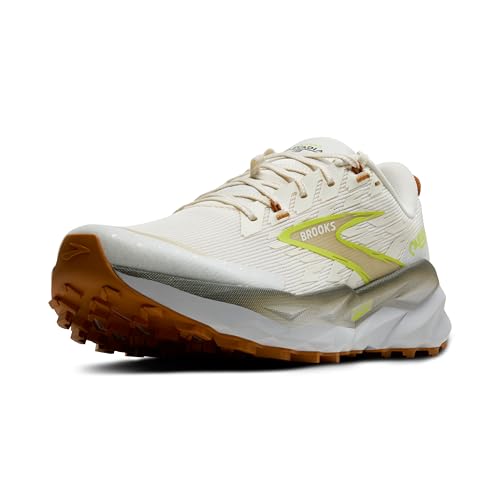
- Stable platform for uneven winter terrain
- Protective build for rough trail conditions
- Better for packed snow than deep powder
Best For: Runners who want a protective, stable trail shoe for cold-weather and mixed winter trail use.
Best for Waterproof Coverage
NORTIV 8 Waterproof Ankle Boots

- Waterproof protection for wet snow and slush
- Ankle-high cut adds extra coverage
- Lightweight for a boot-style option
Best For: Shoppers who want a lightweight waterproof option for snowy trails and mixed outdoor use.
Best for Natural Foot Shape
ALTRA Men's Lone Peak 9 Trail Running Shoe

- Foot-shaped toe box for a roomy fit
- Lightweight feel for winter trail runs
- Trail outsole handles packed snow and dirt
Best For: Runners who want a roomy, natural-feeling trail shoe for light snow and mixed winter trails.
Best Traction for Icy Runs
Kahtoola MICROspikes Footwear Traction

- 12 stainless-steel spikes for aggressive ice grip
- Flexible, cold-weather harness packs small
- Great for snowy trails, hiking, and backcountry use
Best For: Runners and hikers who need dependable traction on icy winter trails and packed snow.
Best for Traction
Puma Men's Flare Pro Trail Running Shoes
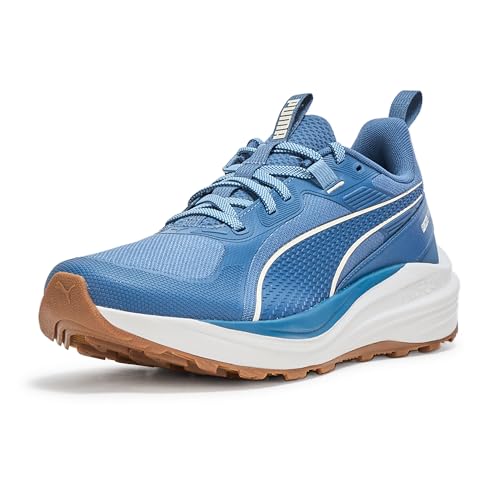
- ProTread outsole for grip and durability
- Profoam cushioning for a smoother ride
- Closed upper feels secure on trail runs
Best For: Runners tackling packed snow, cold trails, and mixed winter terrain.
Best Value Grip
Kricely Men's Lightweight Trail Running Shoes

- Budget-friendly option for light winter trail use
- Non-slip outsole supports wet and uneven terrain
- Lightweight and breathable for active comfort
Best For: Runners and hikers who want an affordable shoe for slushy trails and everyday cross-training.
Best Waterproof Pick – Topo Athletic Trailventure 2 WP Boots
If you want trail running shoes for snow that lean more toward protection than speed, the Topo Athletic Men’s Trailventure 2 WP is built for cold, wet conditions. Its waterproof construction and boot-like coverage help keep slush and light snow out, while the 5mm drop still feels trail-runner friendly for steady winter mileage.
Best For: Runners who need a waterproof, supportive option for snowy trails, wet winter hikes, and mixed off-road use.
Pros:
- Waterproof design helps block snow, slush, and puddles
- 5mm drop offers a balanced feel for trail running and hiking
- More coverage and support than a typical low-profile trail shoe
- Good choice for cold-weather trail miles and rough terrain
Cons:
- Heavier and less agile than non-waterproof trail runners
- May run warmer than breathable shoes in mild conditions
- More boot-like feel may not suit speed-focused runners
For trail running shoes for snow, this model makes sense when traction, coverage, and waterproofing matter more than a nimble race-day feel. It is a practical pick for runners who split time between snowy trails and everyday winter outdoor use.
Best Traction for Mixed Winter Terrain – Kahtoola EXOspikes Footwear Traction
For trail running shoes for snow, the Kahtoola EXOspikes are a practical traction add-on when you need grip on icy roads, packed snow, and rocky winter trails. They’re lighter than many bulky alternatives, and the open design helps them clear snow while staying adaptable across a range of hiking shoes and trail runners.
Best For: Winter hikers, trail runners, and backpackers who need lightweight traction for mixed snow, ice, and rock.
Pros:
- 12 spikes per foot combine carbide, aluminum, and TPU for versatile grip
- Open harness sheds snow and fits a wide range of footwear
- Cold-weather TPE harness stays stretchy down to -22°F (-30°C)
- Durable design is abrasion resistant and backed by a 4-year warranty
Cons:
- Traction device only; shoes are not included
- Not a substitute for full crampons on steep alpine terrain
Overall, the EXOspikes are a strong fit if you want trail running shoes for snow to handle winter conditions without adding too much bulk. They’re especially appealing for runners and hikers who move between snow, ice, and bare patches on the same route.
Best Budget – Columbia Men's Strata Trail Low
For shoppers comparing trail running shoes for snow, the Columbia Men's Strata Trail Low Waterproof Hiking Shoes are a practical choice when you want more wet-weather protection than a typical trail runner. The low-cut build keeps them lighter and more flexible than bulky winter boots, while the waterproofing adds a useful buffer for slush, packed snow, and damp trail conditions.
Best For: Runners and hikers who want a low-profile waterproof shoe for snowy, slushy, or cold-wet trails.
Pros:
- Waterproof design helps keep feet drier in snow and meltwater
- Low-cut profile feels more agile than a winter boot
- Versatile enough for hiking, walking, and casual winter use
Cons:
- Not as warm or insulated as dedicated snow footwear
- Traction and flexibility may be less race-oriented than true trail runners
Overall, this is a sensible pick if you want trail running shoes for snow without moving all the way up to heavy insulated boots. It is most appealing for mixed conditions where water resistance and everyday comfort matter more than maximum winter performance.
Best for Rugged Winter Trails – Brooks Cascadia 19 Mountain Trail Shoe
Brooks Men’s Cascadia 19 Mountain Trail Running Shoe - Coconut/Olive/Ginger - 14 Medium
Check Price On AmazonIf you want trail running shoes for snow that prioritize stability and protection over pure speed, the Brooks Cascadia 19 is a practical mountain-ready option. It’s built for rough terrain, so it makes more sense on packed snow, slushy paths, and uneven winter trails than on deep powder.
Best For: Runners who need a stable, protective trail shoe for cold-weather trail miles and mixed winter conditions.
Pros:
- Mountain-focused design helps it handle rocky, uneven winter trails
- Stable platform supports confident footing on slick or unpredictable ground
- Protective build is well suited to cold, rough conditions
Cons:
- Not a dedicated snow shoe, so traction depends on the surface and conditions
- May feel overbuilt if you only run on cleared paths
Overall, the Cascadia 19 is a strong pick if you need trail running shoes for snow that can handle winter-adjacent terrain and prioritize control, comfort, and protection. It’s a dependable choice for runners who spend more time on rugged trails than on groomed or fully snow-covered routes.
Best for Waterproof Coverage – NORTIV 8 Waterproof Ankle Boots
If you need trail running shoes for snow conditions that lean more toward protection than speed, these waterproof ankle-high boots are worth a look. They’re built to handle wet trails, slush, and light winter use, with a design that emphasizes coverage and grip over a pure running-shoe feel.
Best For: Buyers who want a lightweight, budget-friendly option for snowy trails, muddy paths, and everyday outdoor wear.
Pros:
- Waterproof build helps keep feet drier in wet snow and slushy conditions
- Ankle-high design adds extra coverage and support on rough terrain
- Lightweight feel is easier to wear than many bulky winter boots
- Versatile enough for hiking, walking, and trail use
Cons:
- Not a true trail-running shoe, so it may feel less flexible than running-specific footwear
- Warmth and traction in deeper snow may be limited versus dedicated winter boots
- Fit and comfort can vary depending on sock thickness and foot shape
Overall, this is a practical pick if your version of trail running shoes for snow is more about staying dry and stable than shaving seconds off your pace. It makes the most sense for cold, wet, mixed-surface outings where a lightweight waterproof boot is a better fit than a traditional trail runner.
Best for Natural Foot Shape – ALTRA Men's Lone Peak 9 Trail Running Shoe
If you want trail running shoes for snow that feel stable, roomy, and easy to move in, the ALTRA Men’s Lone Peak 9 is worth a look. Its foot-shaped fit and trail-ready build make it a practical choice for light winter mileage, especially when you prioritize comfort and grip over heavy insulation.
Best For: Runners who want a spacious, natural-feeling trail shoe for cold-weather runs, packed snow, and mixed winter trails.
Pros:
- Foot-shaped toe box gives toes room to splay in cold conditions
- Lightweight design helps it feel less bulky than many winter trail shoes
- Trail-focused outsole is useful on packed snow and slick dirt paths
- Comfortable option for runners who prefer a natural ride
Cons:
- Not a dedicated insulated winter shoe
- May need gaiters or traction add-ons for deeper snow
- Zero-drop feel may not suit every runner
For runners comparing trail running shoes for snow, the Lone Peak 9 stands out when fit and flexibility matter more than maximum warmth. It is a strong pick for winter trails, but it works best in moderate snow rather than deep, icy conditions.
Best Traction for Icy Runs – Kahtoola MICROspikes Footwear Traction
Kahtoola MICROspikes Footwear Traction for Winter, Snow & Ice Trail Hiking - Red - Medium
Check Price On AmazonIf you need extra grip for trail running shoes for snow, the Kahtoola MICROspikes add serious bite without the bulk of full crampons. They’re built for winter trail use on packed snow, ice, and mixed backcountry footing, making them a practical add-on when conditions are too slick for standard outsoles.
Best For: Runners and hikers who want lightweight, aggressive traction for icy winter trails, snowy routes, and backcountry terrain.
Pros:
- 12 stainless-steel spikes per foot deliver strong grip on ice and hard-packed snow
- Flexible TPE harness stays secure in cold weather and packs down small
- Welded chains help prevent snow buildup while keeping the system responsive
- Useful beyond running for hiking, backpacking, and ice trekking
Cons:
- Not a replacement for insulated winter footwear in deep cold
- Can feel overbuilt for dry or lightly snowy trails
- Requires careful sizing to fit correctly over shoes or boots
For runners comparing trail running shoes for snow setups, these are better viewed as a traction upgrade than a shoe substitute. If your winter routes regularly turn icy, the MICROspikes are one of the most dependable ways to keep moving confidently.
Best for Traction – Puma Men's Flare Pro Trail Running Shoes
PUMA Men's Flare PRO Trail Running Shoes, Dark Indigo-Cool Blue-Alpine Snow, 8.5
Check Price On AmazonIf you want trail running shoes for snow that lean more toward grip and durability than deep-winter insulation, the Puma Men’s Flare Pro Trail Running Shoes are worth a look. The ProTread rubber outsole is designed for advanced traction, while the Profoam midsole adds a bit of cushioning for mixed winter trail miles.
Best For: Runners who need a lightweight trail shoe with dependable grip for cold, packed, or lightly snowy routes.
Pros:
- ProTread rubber outsole focuses on traction and durability.
- Profoam cushioning helps smooth out rough trail surfaces.
- Closed upper design offers a more secure, protected feel.
Cons:
- Not a dedicated winter shoe for deep snow or icy conditions.
- May not provide enough warmth for very cold runs.
Overall, this is a solid trail option if your trail running shoes for snow needs are centered on grip, responsiveness, and a snug ride rather than heavy insulation. It makes more sense for packed snow, slushy trails, and shoulder-season conditions than for true winter extremes.
Best Value Grip – Kricely Men's Lightweight Trail Running Shoes
If you want affordable trail running shoes for snow-style slush, packed paths, and cold-weather mixed terrain, this Kricely pair is a practical pick. The lightweight build and non-slip outsole make it better suited to light winter trail use than deep snow or technical mountaineering.
Best For: Runners and hikers who want a budget-friendly shoe for wintry trails, slippery sidewalks, and everyday cross-training.
Pros:
- Lightweight feel that stays comfortable for longer runs and hikes
- Non-slip outsole adds confidence on wet or uneven surfaces
- Breathable upper helps reduce overheating during active use
- Shock-absorbing design offers a bit more comfort on hard ground
Cons:
- Not built as a dedicated insulated winter shoe
- Less ideal for deep snow, ice, or heavy slush
- Traction is practical, but not in the same league as true winter boots
For shoppers comparing trail running shoes for snow, this model makes sense when budget and versatility matter more than specialized cold-weather protection. It is a solid all-around option for light winter trail conditions, but serious snow and ice will call for more aggressive grip and weatherproofing.
Best Wide-Toe Comfort Option – NORTIV 8 Wide Toe Box Trail Running Shoes
If you’re shopping for trail running shoes for snow, this NORTIV 8 pair is more about comfort, roominess, and all-day wear than aggressive winter traction. The wide toe box and cushioned build can be appealing if you want a flexible shoe for light snowy paths, cold-weather walks, or gym-to-outdoor use, but it is not a dedicated winter trail model.
Best For: Buyers who want a roomy, cushioned trail-style shoe for light snow, casual winter walking, and mixed training.
Pros:
- Wide toe box gives feet more room for comfort and natural toe splay.
- Cushioned feel works well for walking, training, and everyday wear.
- Versatile design transitions easily from gym sessions to casual outdoor use.
Cons:
- Not built as a true insulated snow or winter traction shoe.
- May lack the aggressive grip needed for icy, steep, or deep-snow trails.
Overall, this is a practical comfort-first pick if your version of trail running shoes for snow means light coverage, cold-weather walks, and mixed-use versatility rather than serious winter performance. It makes the most sense for buyers prioritizing fit and cushioning over specialized snow protection.
How We Picked the Best Trail Running Shoes for Snow
For Trail Running Shoes for Snow, we prioritized winter-relevant features that matter most on real routes: outsole grip, upper protection, water resistance, fit security, and comfort over longer efforts. We also considered whether a product works best as a standalone shoe or as a traction accessory for existing trail footwear.
Quick Comparison
Think of the list in three groups: waterproof trail shoes for slush and wet snow, stable trail shoes with aggressive outsoles for packed or variable conditions, and traction devices for runners who already own a favorite shoe but need more bite on ice.
Key Buying Factors for Trail Running Shoes for Snow
Traction and Surface Match
Soft, loose snow needs a different approach than hard-packed or icy paths. Look for deeper lugs and sticky rubber for mixed winter trails, and consider microspikes or EXOspikes when ice becomes a regular part of the route.
Waterproofing Versus Breathability
Waterproof shoes help in slush, puddles, and wet snow, but they can run warmer and trap moisture if snow gets inside. Non-waterproof trail shoes often dry faster, which can be an advantage on cold but relatively dry winter runs.
Fit, Stability, and Toe Room
Winter running socks can change fit, so a secure midfoot and enough toe space matter. A wider forefoot can improve comfort on longer runs, while a more locked-in heel can help on uneven or slippery footing.
Cushioning and Stack Height
Moderate cushioning often works best for winter because it adds comfort without feeling unstable. If you run on technical snow-covered terrain, a lower, more controlled platform can improve confidence.
Who Should Buy Which Trail Running Shoes for Snow?
If you want one shoe for wet winter trails, choose a waterproof trail model with reliable grip. If your routes are icy or highly variable, a traction device may deliver more value than replacing your favorite shoes. Runners who prioritize natural foot shape and roomier forefoot fit should look for wide or foot-shaped designs, while those covering longer winter miles may prefer added cushioning and all-day comfort.
For most buyers, the best Trail Running Shoes for Snow are the ones that match local conditions first and personal fit second. Start with terrain, then decide whether you need waterproofing, traction, or both.
